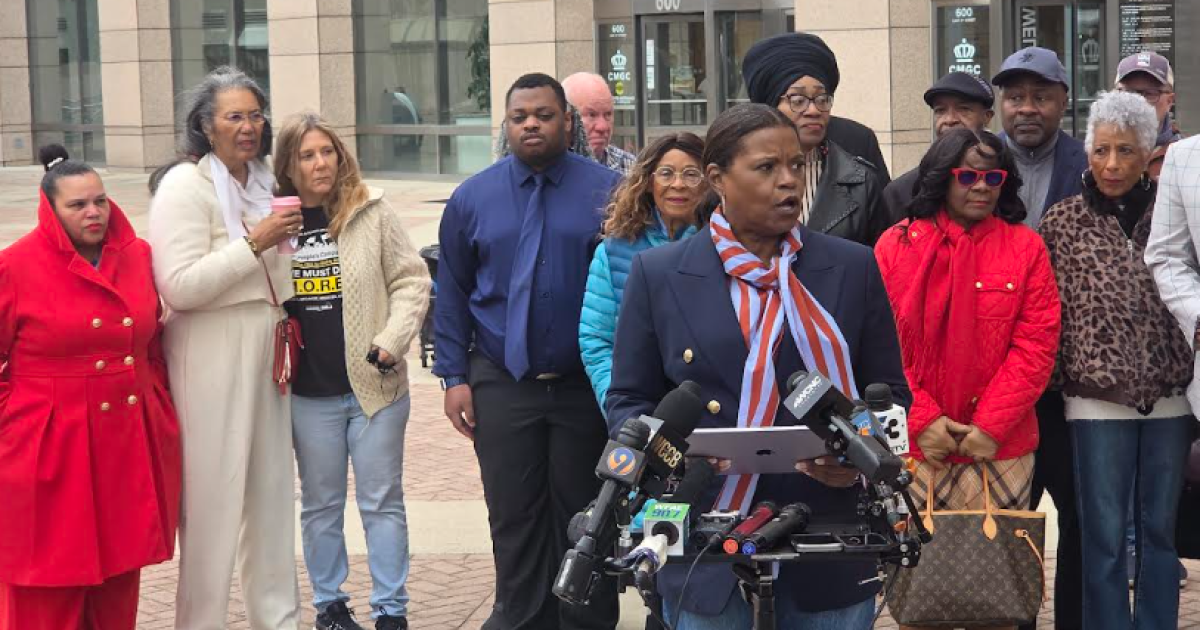
‘This is very powerful and it’s very important that we acknowledge the systematic racism. I think it’s important to say it out loud,’ says SCDSB trustee
The local public school board acknowledged systemic anti-Black racism does exist in its schools nearly five months after a request to do so was made by an advocacy group.
The Simcoe County District School Board did this during a meeting on Wednesday, Oct. 22.
“The SCDSB acknowledges the structural and systemic nature of anti-Black racism and discrimination in education,” notes the preamble of a board report on systemic racism received by trustees at their Oct. 20 meeting.
“The board recognizes that Black students and staff have historically faced, and continue to face, barriers to equity and inclusion, due to deeply rooted racial biases and discriminatory practices.”
“SCDSB staff are committed to actively addressing and dismantling anti-Black racism and discrimination within SCDSB schools, policies, and practices. The SCDSB will engage the Black community, students, staff, and families in shaping educational experiences and outcomes,” it says.
Back in May, advocacy group Parents Against Racism Simcoe County called on the board to formally respond to the Ontario Human Right’s Commission’s Dreams Delayed report, released in March, which explored anti-Black racism in schools across Ontario through a two-year study. Simcoe County public board trustees passed a motion in June calling for a report from the board staff to include a thoughtful and comprehensive plan to address the report’s recommendations at both the school and board level.
At that time, Parents Against Racism Simcoe County called on the board to formally acknowledge that anti-Black racism exists in the system. On Wednesday, that request was fulfilled.
“This is very powerful and it’s very important that we acknowledge the systematic racism. I think it’s important to say it out loud,” said Adjala-Tosorontio/Clearview/CFB Borden/Essa trustee Brandy Rafeek on Wednesday. “There’s a big difference between recognizing racism coming from a person, and systematic racism as we’re discussing here.”
“It’s not anything any individual at this board has specifically done. It is the system we have built over many, many years,” she said.
The Dreams Delayed report and study included 29 calls to action, including acknowledgement of anti-Black racism by school boards, expanding the Black graduation coach program, updating complaint procedures and creating better communication strategies related to human rights.
Wednesday’s SCDSB report includes a fact sheet of different programs and services the SCDSB has added over the past few years to better support Black students and staff, including launching their human rights and equity office in 2022, launching Black Student Associations at 13 of their high schools, hosting two conferences for Black students and hiring four graduation coaches for Black students.
The board’s Black graduation coaches assisted 388 students in the 2024/25 school year.
All educators at the board’s 104 schools completed the Dreams Delayed three-part learning series, and many educators within the SCDSB completed an additional course on anti-Black racism.
The board’s human rights and equity office created a formal advisory to all educators and students within the board about prohibition of the use of the n-word, noting its use is a violation of the student code of conduct and barring educators and students from using it in any context.
The board also recently hired its first-ever Afro-Indigenous graduation coach.
“Together, these actions demonstrate a sustained and system-wide effort to make our board a place where all students, particularly Black students, can thrive, achieve and belong,” said superintendent of education Matthew Webbe in a presentation to trustees on Wednesday. “Our collective efforts as a community remain focused on ensuring that every student, particularly Black students, feel seen, valued and supported in every SCDSB school.”
Barrie trustee and vice chair Lynn Strachan thanked the staff presenters for putting the acknowledgement at the beginning of the presentation.
“I think that’s very meaningful,” said Strachan.
New Tecumseth trustee Sarah Beitz asked if it could be put up on the SCDSB’s website.
Strachan asked if the board’s actions on equity could be more clearly linked with the recommendations out of the Dreams Delayed report through a communication strategy. She noted one example of a recommendation for boards to hire more guidance counsellors, while the SCDSB has hired Black graduation coaches.
“Not everybody will link those two things together knowing they’re directly related,” she said. “We’ve started the work in many of these areas.”
In terms of next steps, the report notes that the school board’s human rights and equity office will host community consultation sessions engaging Black students, staff, and families this Spring.
Results from those consultations will guide the board’s plans moving forward.