After two major education advocacy groups asked Montgomery County Public Schools (MCPS) to slow down or halt plans to implement a regional program model for middle and high schools, the local advocacy group Black and Brown Coalition for Educational Equity and Excellence is throwing its support behind the proposed changes, according to a statement released Tuesday.
“We strongly disagree with calls that further study is needed. MCPS’ proposed regional model, while not a perfect plan, is long overdue and represents a major improvement over the current model,” said the statement from the group that represents more than 30 organizations advocating for local Black and brown students. “It would advance the laudable goal of providing all students, including eligible Black and Brown students who have long been underserved, expanded seats and proximal access to exciting academic opportunities, no matter where they live.”
The statement of support comes after the Montgomery County Education Association (MCEA), which is the local teachers union, urged MCPS to halt its plans while the Montgomery County Council of Parent-Teacher Associations (MCCPTA) called for the district to slow down its process.
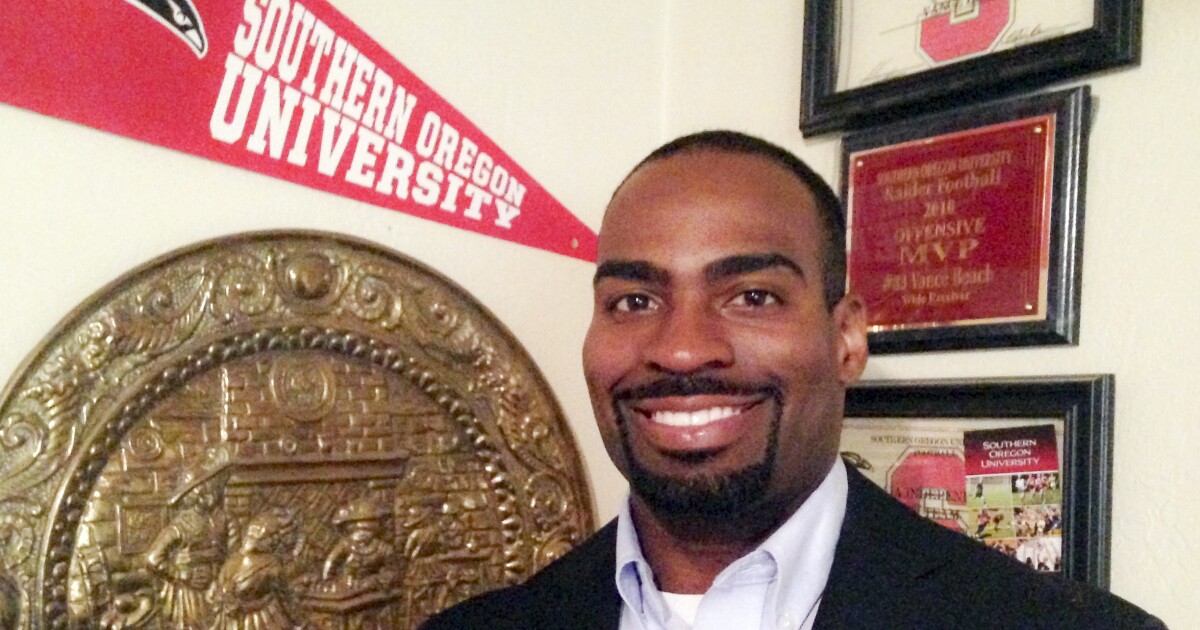
Byron Johns, a co-founder of the Black and Brown Coalition, told Bethesda Today on Tuesday that the changes were needed to bring equity to programs in MCPS.
“People want to talk about equity, as long as it’s somewhere else,” Johns said. “The reality is [for] kids and families who were long underserved, it’s time.”
On Tuesday, Superintendent Thomas Taylor told Bethesda Today the district valued the feedback from all organizations and would continue to partner with them.
“[We] appreciate the support and we appreciate the criticism and the opportunity to get better,” Taylor said
MCPS began an analysis of existing school programs earlier this year, introducing in May the idea of implementing a regional model to replace the district’s structure of competitive, countywide programs and others provided through high school consortia. MCPS said the goal is to create more equity and accessibility, noting that some students have more opportunities to apply to different programs when compared to others because of where they live and accessibility to the programming.
The regional model would divide district high schools into six regions with four or five high schools in each region. There would be five program themes, with each high school having one to two programs that fall under the themes.
If implemented, the changes would require a shift in thinking for families, particularly for those who had set their sights on having their students apply for the district’s highly competitive, application-only magnet programs and those whose students attend consortia-based programs.
The program analysis is occurring at the same time as a major boundary study that would impact many middle and high schools, and which is set to go into effect during the 2027-2028 school year.
MCPS Superintendent Thomas Taylor is expected to present a recommendation to the school board for the boundary study and programming changes in January. The school board is then expected to vote on the recommendation in March.
If the changes are approved, students starting eighth grade in the coming school year and those currently in high school would be part of a “legacy cohort” and would be able to continue in their current programs until they graduate. The first admissions process for the regional programs would begin during the 2026-2027 school year.
Coalition supports proposal amid concerns
Many stakeholders have raised alarms about the proposed programming change since the program analysis began in January. Though they support the ultimate goal, they are concerned about how the process has been conducted and question whether the changes will provide quality programming and achieve the district’s aim. At the end of October, the MCCPTA overwhelmingly passed a resolution urging the district to decelerate its program analysis.
The MCCPTA resolution asked MCPS to extend the program analysis for at least one year to allow for the dissemination of the proposal and further community engagement. It also asked the school board to refrain from approving any systemwide changes until the district “conducts multiple rounds of proposals and public feedback.”
In addition, the resolution asked the County Council to refrain from providing funding for the district for any programming changes until it receives more information.
During the first week of November, the MCEA Representative Assembly voted to oppose the district’s proposed regional program model. While the union said it supported the goal of increasing access, members didn’t have confidence that the plan would meet those goals.
Johns said he believed the pushback was a disingenuous attempt to keep the status quo, saying the two advocacy groups are dominated by white voices who can’t speak to the best interests of Black and brown families, low-income Asian families and other students who live in underserved areas of the county.
“The fact that there are deserts … there are kids in parts of the county who are eligible and deserving that don’t get into these specialty programs, and a large segment of them are Black and brown kids — this has been known for decades,” Johns said. “So when you say, ‘Oh, we’re rushing this,’ this is the same crap that PTAs and the unions have said back when [former superintendent Jerry Weast] was around talking about red zone, green zone. … Never is too fast for them.”
Weast was the MCPS superintendent from 1999 to 2011, and he divided district schools into “red zones” where the school communities were lower income, had a high minority population and lower test scores. “Green zones” were the opposite. Weast gave more resources to schools in red zones to address the disparities.
The Tuesday statement from the Black and Brown Coalition said “the current model of high-demand magnet, lottery-based and career-based programs fails to serve all students equitably regardless of geography.” The group said the district should move forward with implementing its proposed regional plan and prioritize traditionally disadvantaged areas before adding programs elsewhere.
Johns said the current system results in some students who have 20 choices, and others who have one or two. The plan isn’t perfect, Johns said, but it’s “certainly better than what we have today.”
While some have raised concerns about the speed of the program study timeline, Johns said the framework is rational and the changes would be phased in over time.
“It’s not perfect. It won’t be done in a big flash. There’s plenty of time for people who want things to happen to move forward and make progress,” Johns said. “Saying you want to delay a year is disingenuous. You don’t want to delay it a year. You want to kill it.”