LA CROSSE, Wis. (WXOW) – February is Black History Month, and WXOW is digging deeper into La Crosse’s complex Black history.
As the African-American population in La Crosse continues to grow, there was once a time when their numbers struggled to reach even 1% of the city’s population. This is, in part, due to La Crosse’s past as a sundown town.
This investigation focused on the impact of sundown towns on the Black community.
Sundown towns traditionally meant places where non-white citizens were not allowed after dark—or, after the sun went down. According to sociologist and historian Dr. James Lowen, these towns were also meant to drive non-white citizens out, and this had occurred in La Crosse.
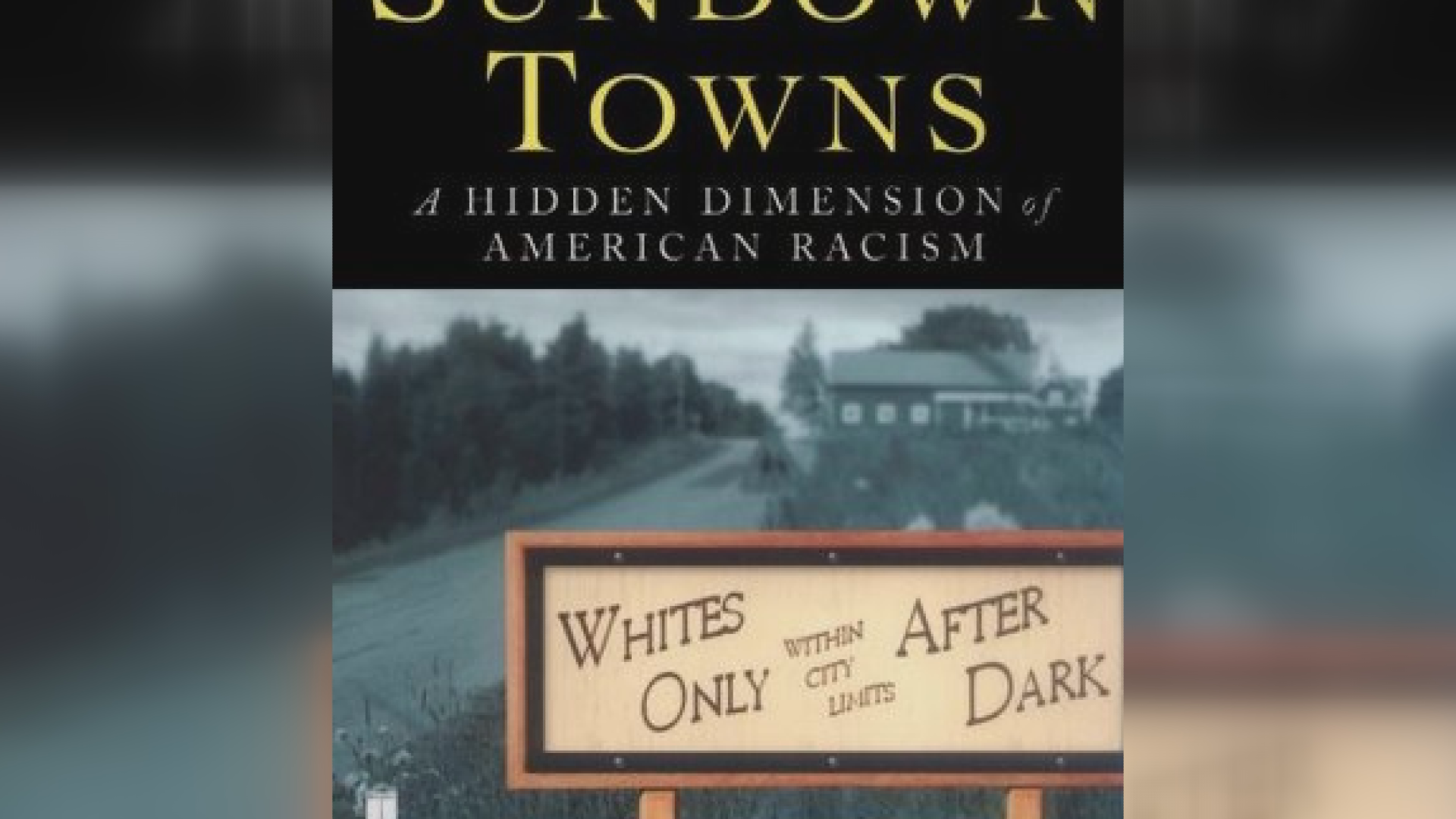
Following the rise of sundown towns across the country, La Crosse’s Black population saw a noticeable decline, a trend that persisted throughout the 20th century.
“Before 1910, La Crosse had a population of 1-2% Black Americans here,” said Jenny DeRocher, a librarian. “And then after 1910, that’s kind of when the national trend of sundown towns are happening.”
The question arose about what caused this rapid decrease in population. DeRocher pointed toward policy.
“We have documents that show that some of our public housing was only for white residents,” said DeRocher.

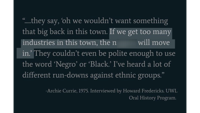
While housing played a significant role in the decline, the lack of employment opportunities was one of the biggest obstacles faced by the community.
“The Black barbers were very much persuaded not to do barbering on Black men’s hair, because the white patrons would not solicit their business,” said Denise Christy Moss, producer of the Enduring Family Projects.
This strategic isolation of clientele accelerated the population decrease.
“A lot of people left when the logging industry collapsed, and many of the Black barbers moved on because they had greater opportunities,” said Moss.
Once many African Americans left, some community members made it clear they wanted the Black population to stay away.
“During World War II, there were signs that popped up in La Crosse that said, ‘colored need not do business’ there,” Moss said.
These loud messages caught the attention of the National Association for the Advancement of Colored People (NAACP) in 1942.
“Lillian Davenport did. She was a member of the NAACP, and she took this matter up with the state NAACP, and took it up also with the rulers—the decision makers that be—and those signs came down,” Moss continued.
Around this time, the Green Book became a crucial guide for Black families traveling across the country.

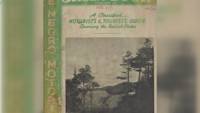
“The Green Book was used as a national guide to show Black families what places were safe for them to stay,” said DeRocher.
La Crosse appeared in the Green Book just two separate years between the 1940s and 50s but was noticeably absent from the book in the 60s.
This complex history followed the city through the rest of the 20th century, with the Black population not reaching 1% of the city’s total again until the 21st century.
Stay tuned next week to learn about how the Black population in La Crosse rebounded and how it has grown in the 21st century.
Have a story idea? Let us know here
Watch more on WXOW wherever you are
There are plenty of ways to get the latest content from WXOW. You can find us on Roku, Fire TV, Apple TV and other smart TV platforms so you can watch us anytime! Enjoy livestreaming newscasts or replays of our latest news along with some of our signature content such as the Jefferson Awards plus the latest weather and local sports.
Find WXOW on Roku here or by searching for WXOW in the Roku Channel Store.
Find WXOW for Fire TV here or searching for WXOW in the Amazon App Store.
Add the WXOW app for Apple TV through the Apple App Store.
Use this link to find out more about all the WXOW apps available.