With the help of two sisters, Richmond has discovered a new legend.
On Sunday afternoon, Abraham Peyton Skipwith joined the ranks of other prolific local Black icons like Maggie L. Walker and Oliver Hill.
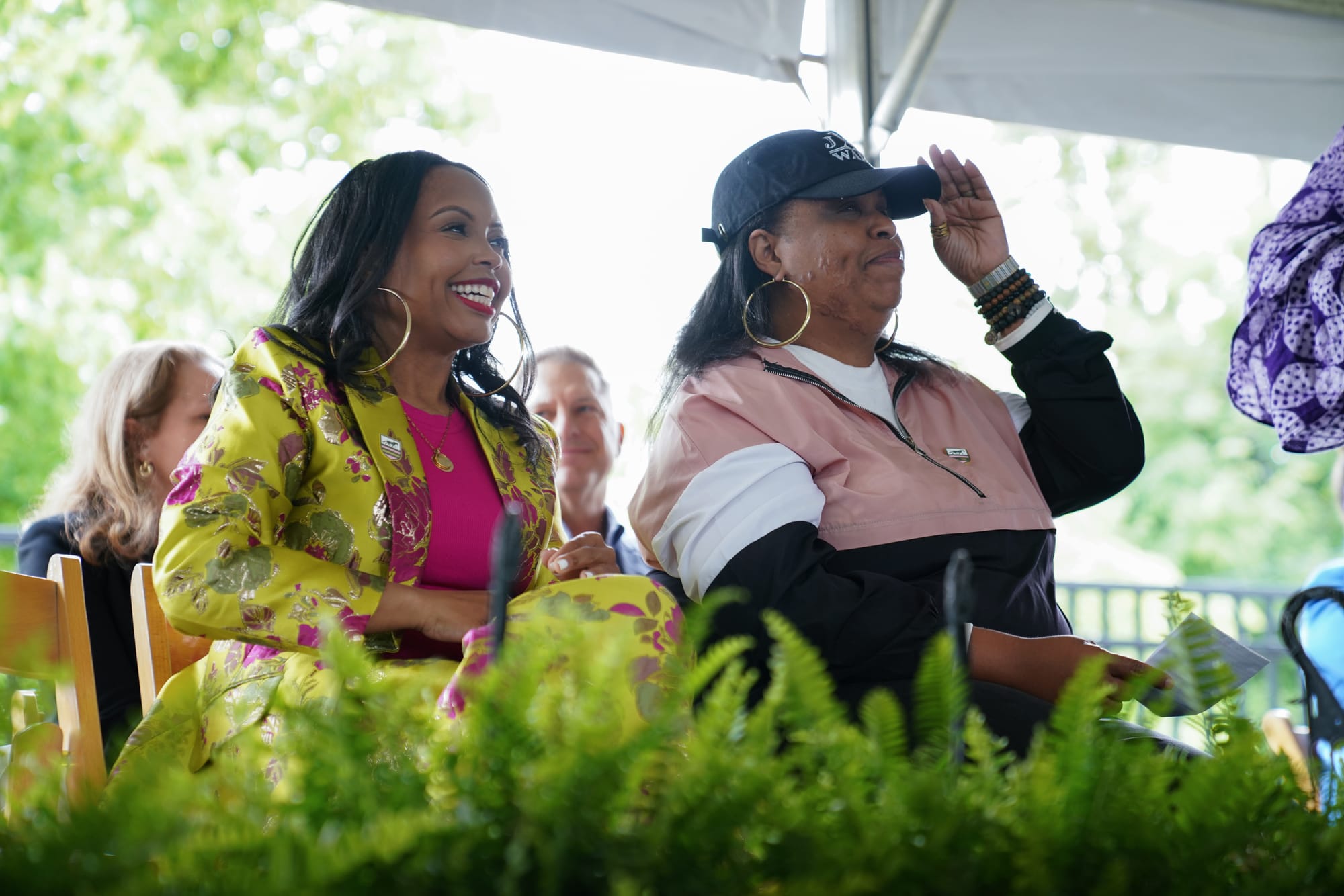
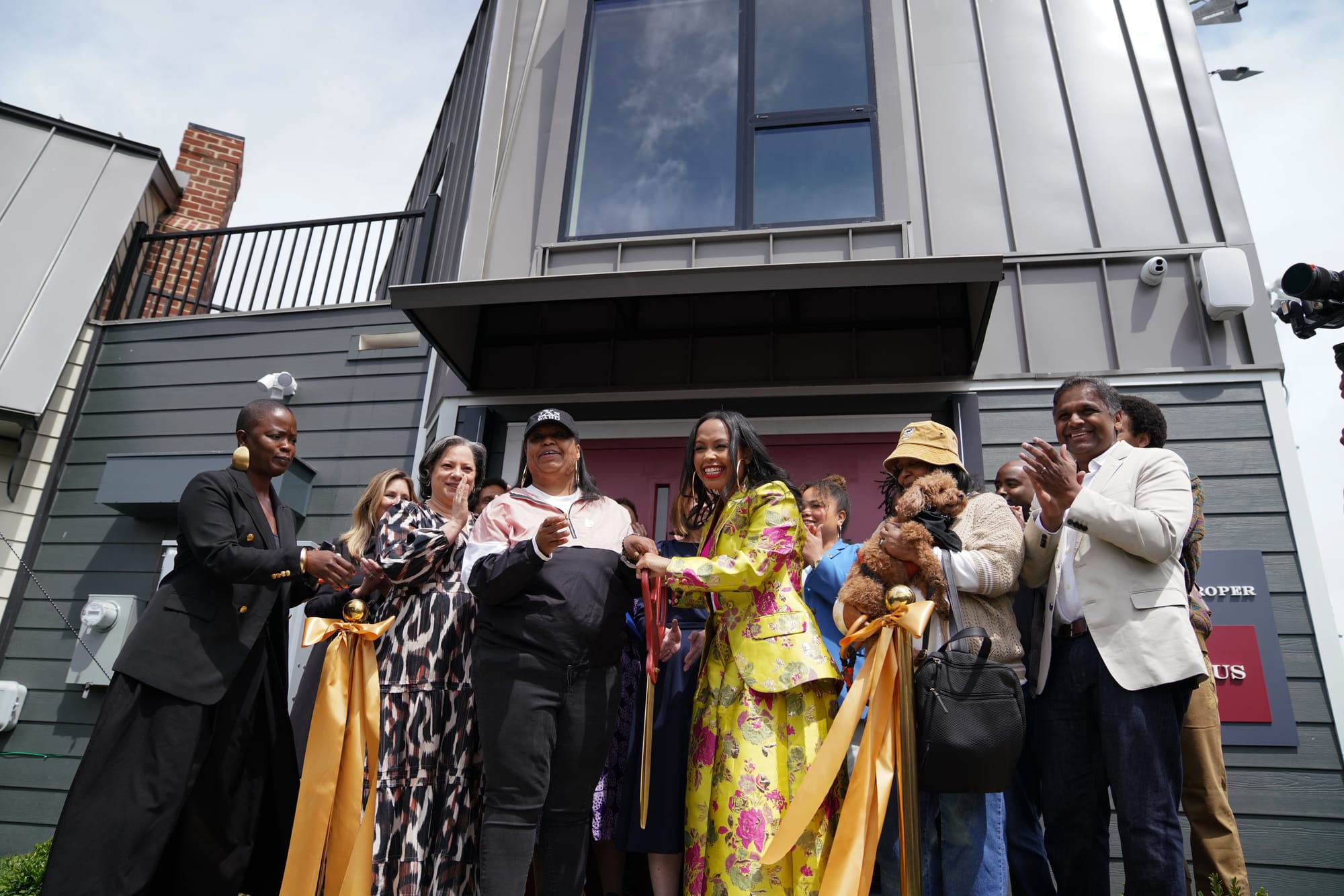
The JXN Project, a nonprofit founded by sisters Enjoli and Sesha Moon, held the Skipwith-Roper Homecoming, honoring Skipwith and revealing his reconstructed home.
“At first glance, it may seem as though we arrived here by accident, but we quickly realized that this was an ancestral-led mission and that we have been unknowingly assigned,” said Enjoli Moon, who is also the founder of the Afrikana Film Festival.
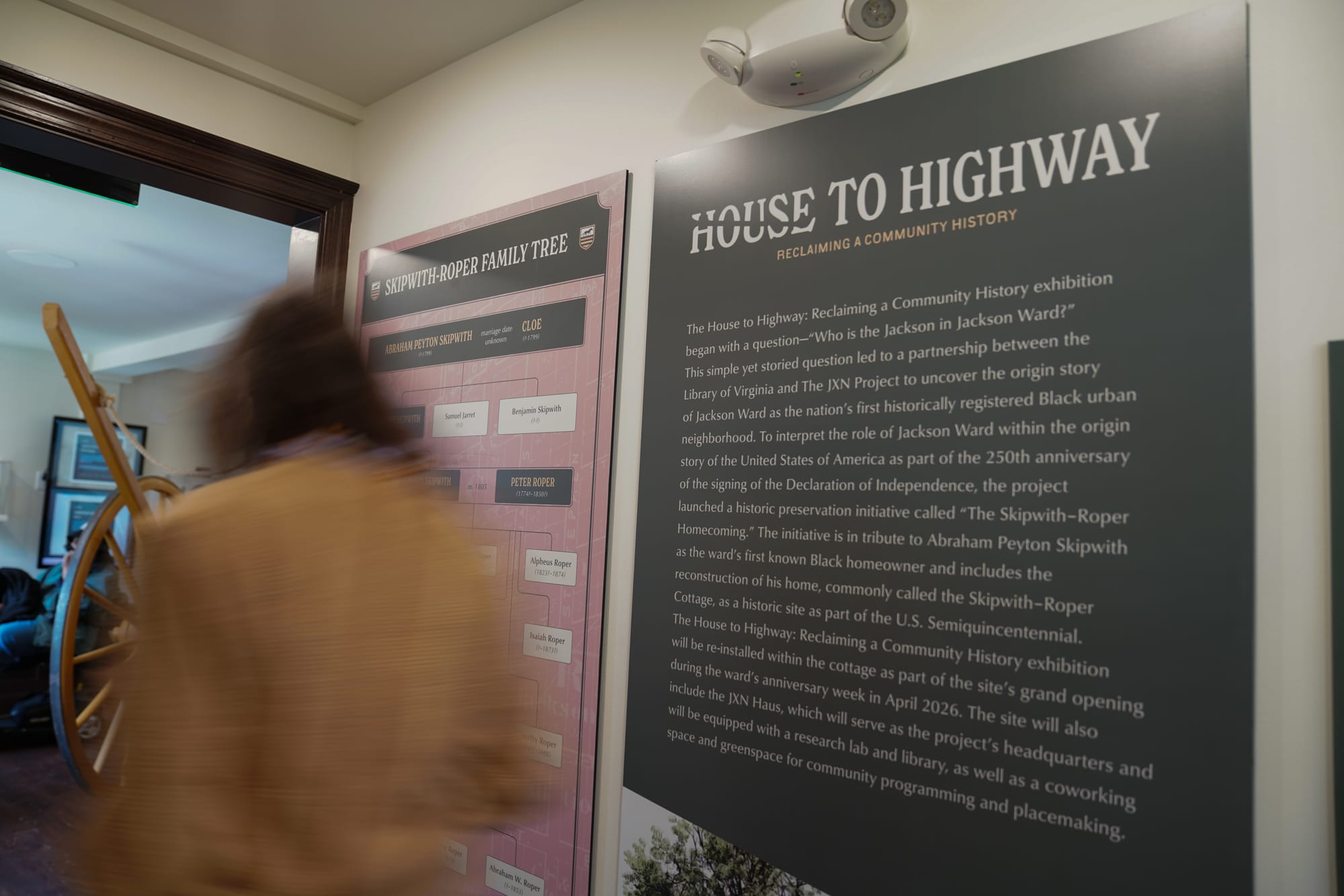
Skipwith is the first Black man documented as a homeowner in what’s now known as Jackson Ward. He became a homeowner in 1793, more than 70 years before enslaved African Americans were freed on the city’s emancipation day. Also an entrepreneur, Skipwith purchased his and his wife Cloe’s freedom from enslavers.
He also became the first Black man in the state to have a fully executed will, which included the passing on of his three-story home – known as the Skipwith-Roper cottage – to his descendants. The will also include items like a gun, gold, silver, horse and buggy, some of which can be seen at the house.
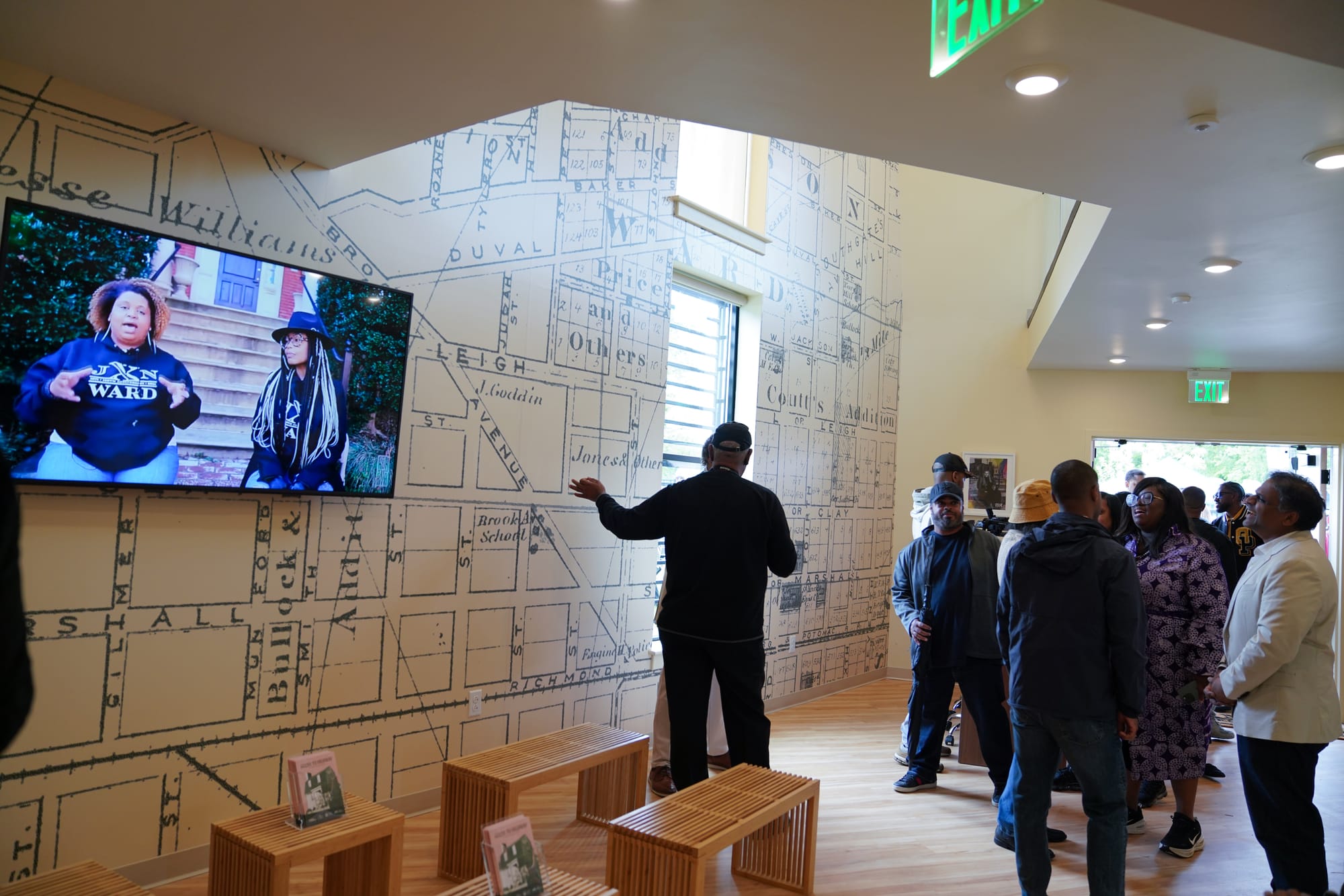
The discovery started with a question the Moon sisters asked in 2020: Who is the Jackson in Jackson Ward? That question led them on a journey that unearthed Skipwith’s history and identified Jackson Ward as a center of Black success, dubbed with names like “Black Wall Street” and the “Harlem of the South.”
City and state leaders, including Mayor Danny Avula, Councilor Katherine Jordan (2nd District), Lieutenant Gov. Ghazala Hashmi, and Del. Rae Cousins (D-Richmond) were present for the unveiling.
“It is a pleasure to be here as someone who was born and raised in the Metro Richmond area … a little history nerd who never heard the story we are about to see today,” said U.S. Rep. Jennifer McClellan (D-Virginia).
Referring to the sisters’ efforts in shining a light on the story, she continued, “Not only bringing them forward, but fighting to preserve that history in the midst of the latest backlash to the progress we have made in making the promises upon which this country was founded true for everyone.”
The cottage is the headquarters of the nonprofit, also known as the JXN Haus, and contains a permanent exhibition of Skipwith’s legacy entitled “House to Highway: Reclaiming a Community History.” It also includes a green space intended for community programming.
The building was originally slated for demolition to make way for the construction of the Richmond-Petersburg Turnpike, later known as Interstate 95. It was instead bought for $25 and relocated for private use in Goochland County. It continues to sit on a former tobacco plantation belonging to the then-Confederate Army’s secretary of war.
Most of the historic fabric had been stripped from the home, inspiring the JXN Project and Moon sisters to recreate the building with the help of a grant from the Mellon Foundation, who also helped fund the Shockoe Institute.
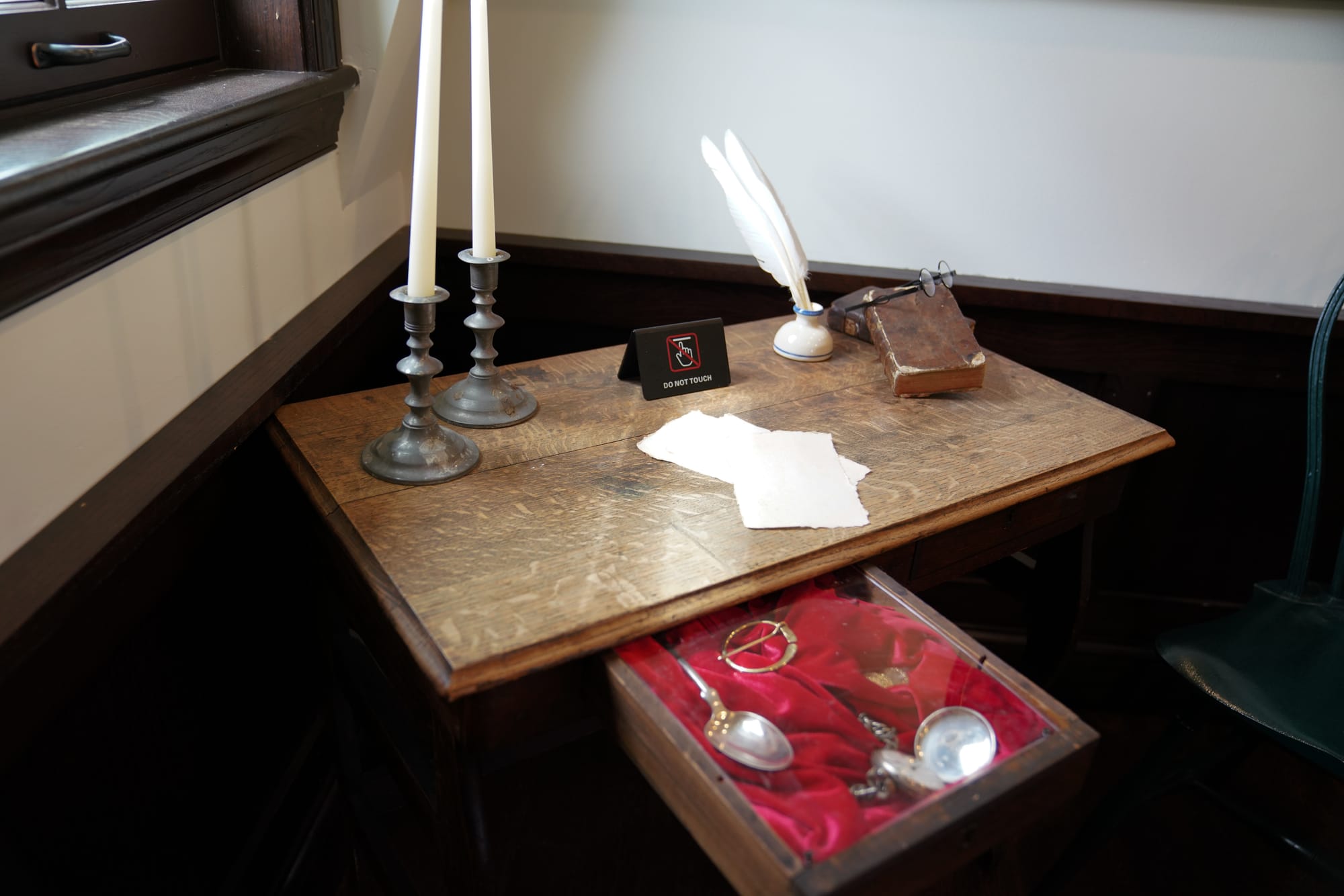
The JXN Project raised $5.6 million to reconstruct and preserve the building. The group was also able to provide $250,000 in scholarships, $25,000 of which was provided at the event to Norfolk State University, a public historically Black university. The organization has also provided scholarships to Virginia Commonwealth University, Virginia Union University and Richmond Public Schools, Sesha Moon said.
During the event, Secretary of the Commonwealth Candi Mundon King presented the Moon sisters on behalf of Gov. Abigail Spanberger with a proclamation of April 17 being Jackson Ward Day. It ties to the Ward’s history when it was created as a new gerrymandered political boundary on the same day in 1871.
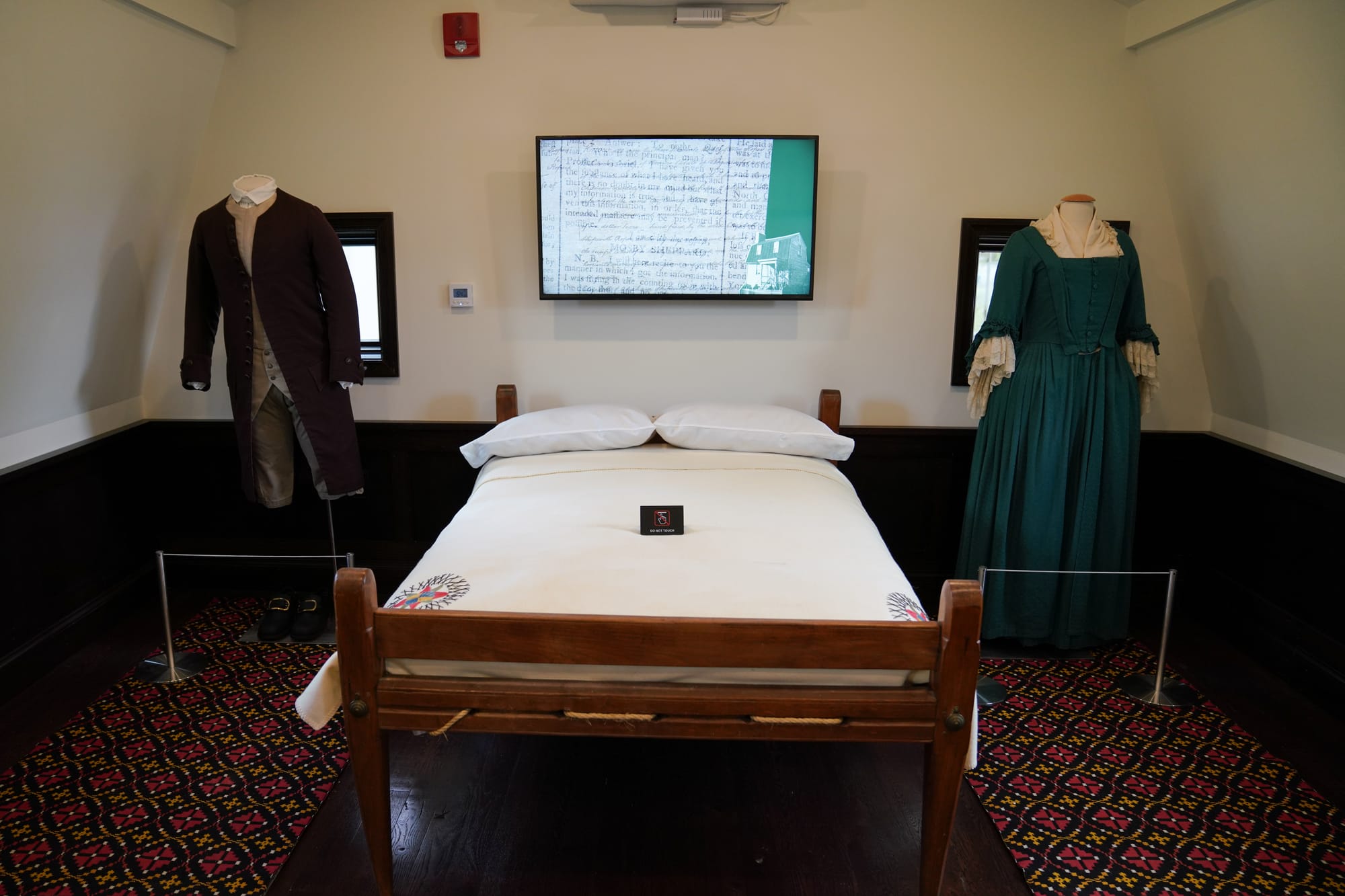
As the United States celebrates its 250th anniversary of becoming an independent nation, Skipwith’s story somewhat illuminates him as a founding father himself, the sisters said, considering his close ties to Declaration of Independence signers like Benjamin Harrison V and Thomas Jefferson.
“The fact that the founding generation included Black people, of means, of fortitude,” said Sesha Moon. “We hope that Skipwith is a disruption to the model that we’ve been told about what it means to be Black and American during the American Revolution.”
Contact Reporter Victoria A. Ifatusin at vifatusin@richmonder.org