

In the Black community, music has long served as both a message and a refuge, from call-and-response spirituals to current hip-hop hits and beyond.
In honor of Black Music Month, SiriusXM is highlighting significant moments in Black music and history from the early 1900s to now, featuring iconic artists who paved the way for other Black musicians and fought for social justice.
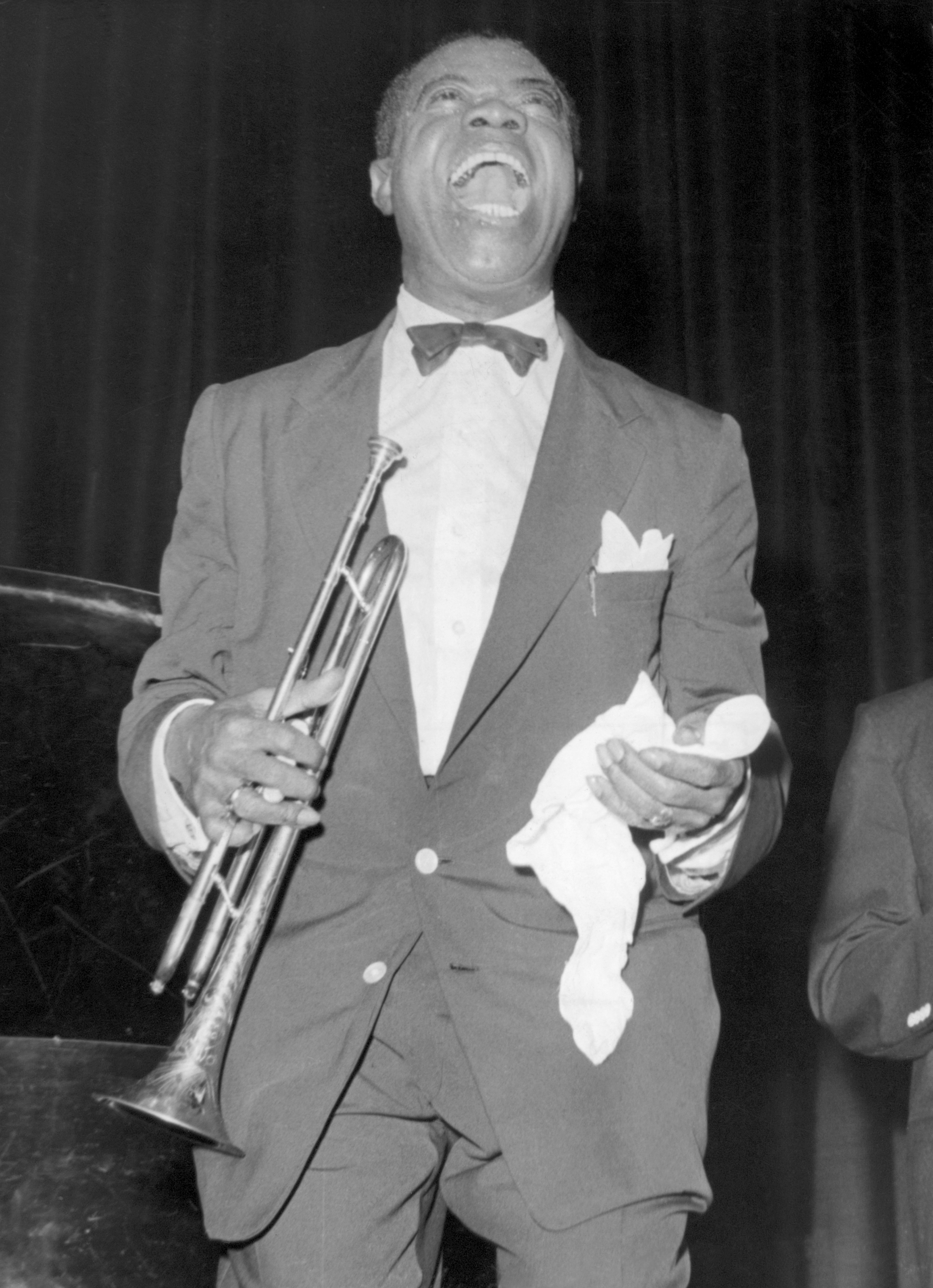
Louis Armstrong Energizes Jazz & Activists
From the 1920s and on, Louis “Satchmo” Armstrong played a crucial role in popularizing and pioneering jazz, a music genre that originated in the Black communities of his birthplace, New Orleans, Louisiana.
Known by many as the first great jazz soloist, the distinctly voiced singer and innovative trumpeter not only created iconic music and appeared in beloved films, but also sounded off against racial injustice when he criticized President Dwight D. Eisenhower for his initial refusal to desegregate schools in Little Rock, AR, in 1957. In joining younger, outspoken jazz artists in condemning segregation, Armstrong used his celebrated voice to amplify the message of the country’s Black community as a whole.
Hear music from Armstrong and other Black icons on 40s Junction.
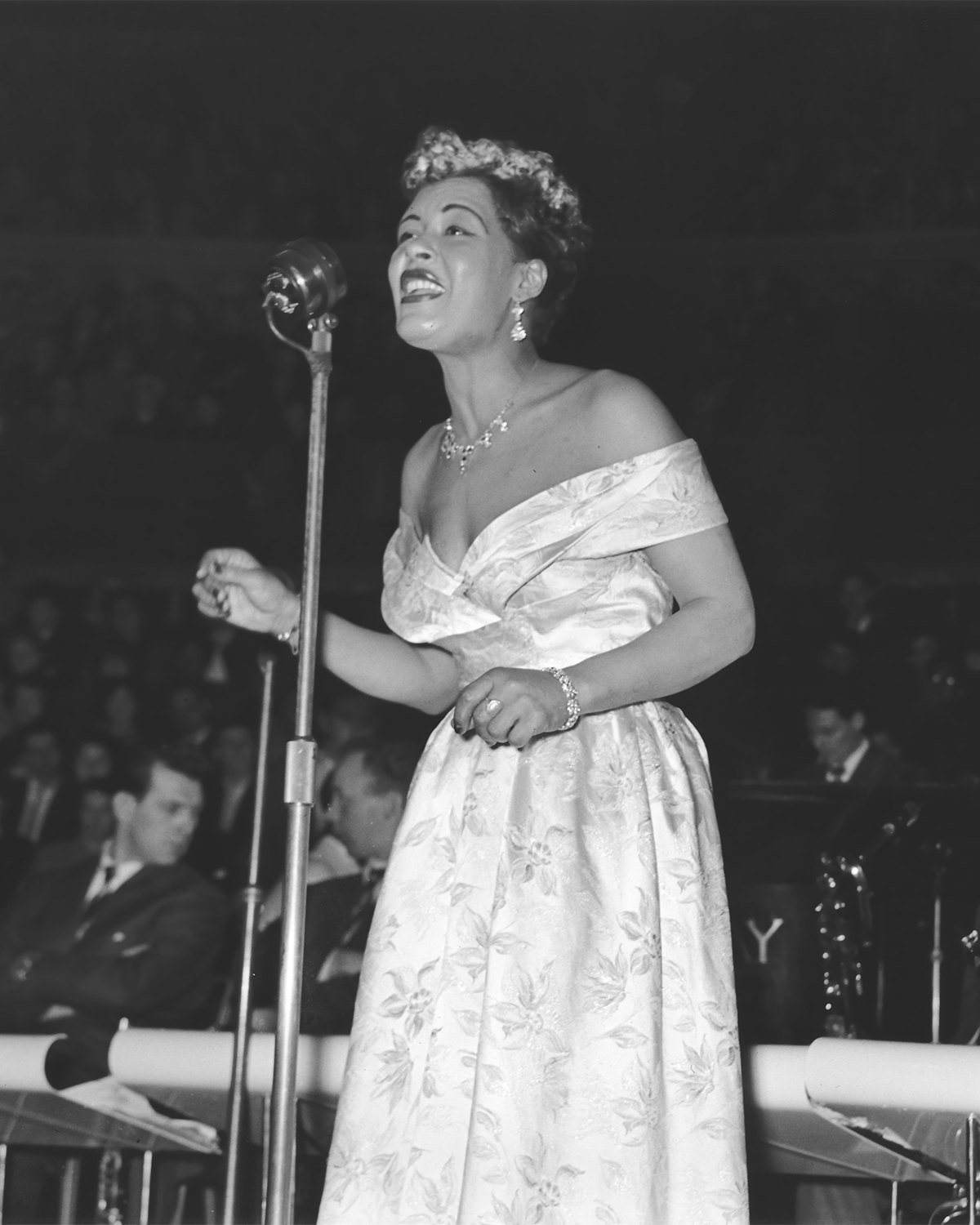
Billie Holiday’s Cry For Racial Equality
Equipped with one of the most unmistakable voices in American music history, Billie Holiday was already established in the New York jazz scene when she closed her set at Cafe Society in Greenwich Village in 1939 with a powerful new song, “Strange Fruit.” Written as a poem by Abel Meeropol, “Strange Fruit” described the savage lynching of Black people in the country, featuring the stirring lyrics “Blood on the leaves and blood at the root. Black bodies swinging in the southern breeze.”
After debuting “Strange Fruit,”“Lady Day” bolted from the stage without giving an encore, leaving the audience to think about the song’s meaning. “Strange Fruit” became Holiday’s signature song and has been a reminder of the racism and suffering experienced by Black people in the country over the years.
Shortly after the song’s recording, Atlantic Records founder Ahmet Ertegun called it “a declaration of war … the beginning of the Civil Rights Movement.” Years later, Time named it the best song of the 20th century.
Hear music from Holiday and other Black icons on Real Jazz.
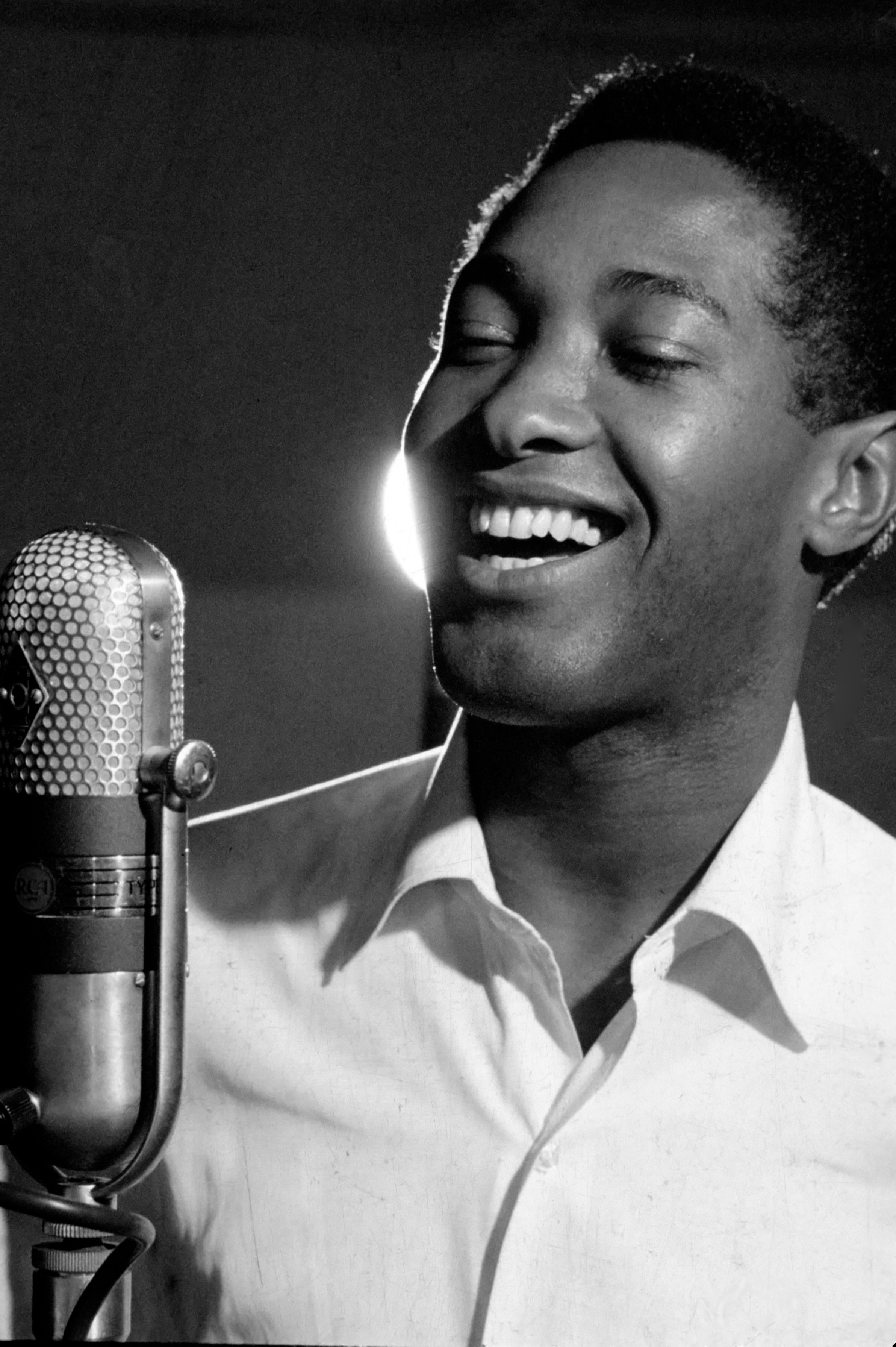
Sam Cooke’s Civil Rights Anthems
Sam Cooke sang with soul even before the birth of the soul music genre.
The legendary vocalist started singing gospel music professionally at age 10, but in his twenties, with his smooth delivery and socially conscious lyrics, he became a leading voice of the Civil Rights Movement after a series of significant events in the mid-1950s. These included the gruesome lynching of 14-year-old Emmett Till in Cooke’s home state of Mississippi and the historic Montgomery Bus Boycott featuring activist Rosa Parks.
Despite alienating many of his gospel fans, Cooke reached a wider audience with a number of pop hits, such as “A Change Is Gonna Come” and “Chain Gang,” which shone a light on racism and inspired hope. Tragically, Cooke was one of the first famous Black figures to become a martyr in the early ’60s after he was killed at only 33 years old — but not before his soulful classics galvanized activists and educated Americans about racial injustice, as well as established him as one of the forefathers of soul music.
Hear music from Cooke and other Black icons on 50s Gold.
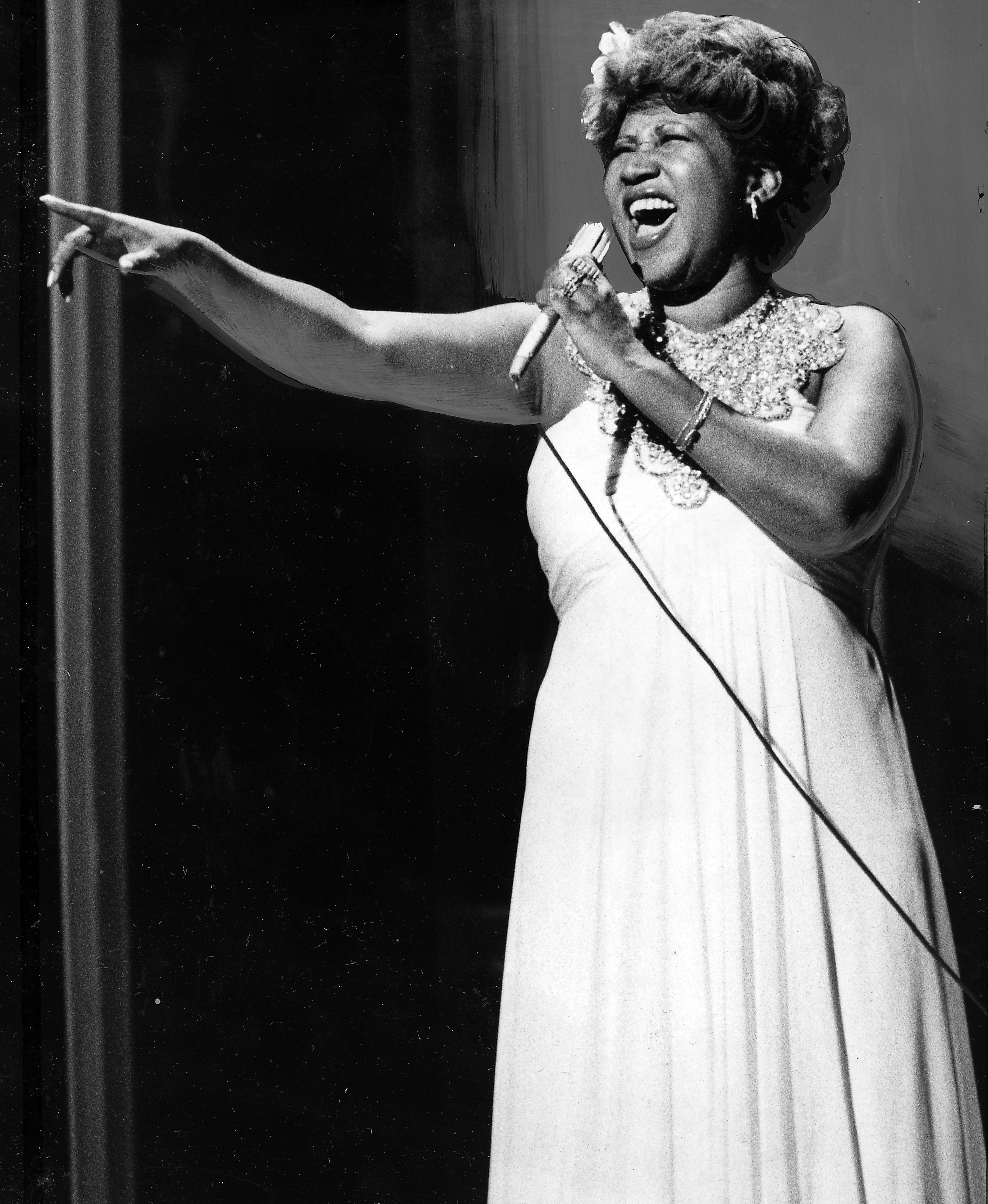
Aretha Franklin’s Soulful Anthems
It’s impossible to celebrate the legacy and impact of soul music without showing some R-E-S-P-E-C-T to Aretha Franklin.
Not only was Franklin deemed the “Queen of Soul” in the late ’60s and celebrated as the first woman to be inducted into the Rock & Roll Hall of Fame in 1987 thanks to her lasting contributions to the genre, her songs such as “Respect” and “(You Make Me Feel Like) A Natural Woman” also became integral to civil rights and women’s rights movements.
Franklin herself was no stranger to activism, and her work went beyond just penning and recording empowerment anthems — the Queen of Soul often donated her time, money, and voice to civil rights groups, and was a vocal supporter of activist Angela Davis, a longtime friend of Martin Luther King, Jr., and performer at Barack Obama’s 2009 presidential inauguration.
Hear music from Franklin and other Black icons on Smokey’s Soul Town.
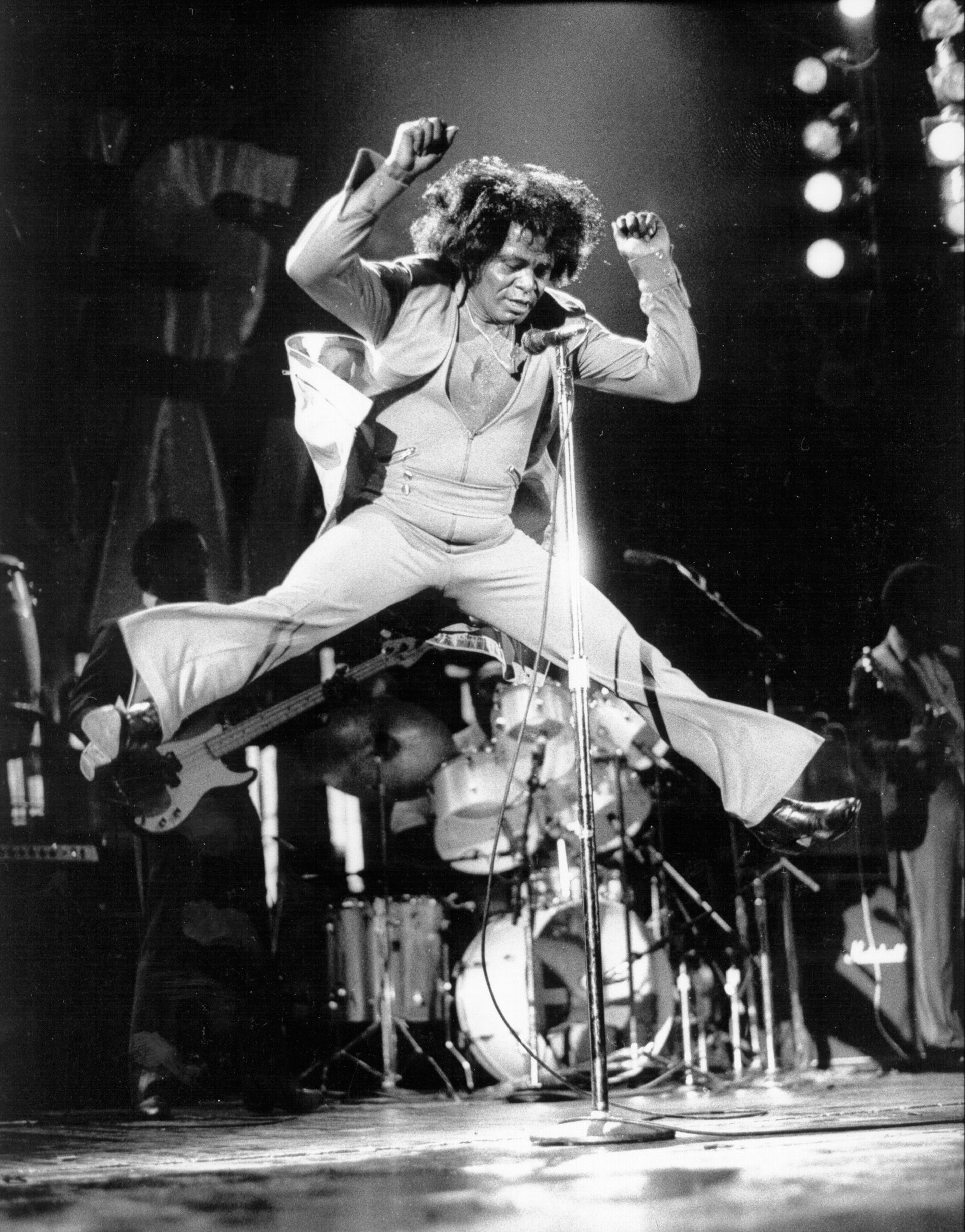
James Brown Says It Loud
With legendary hits like “I Got You (I Feel Good),” “It’s a Man’s World,” and many more, it’s safe to say that James Brown took his honorary titles as “Soul Brother No. 1” and the “Godfather of Soul” seriously.
But Brown’s contributions to Black culture, overall music, and social commentary didn’t end with soul-stirring, high-powered hits — the impassioned singer-songwriter was deeply involved in activism, particularly youth education advocacy. Brown also delivered a powerful anthem to the civil rights movement with his song “Say It Loud — I’m Black and I’m Proud” in 1968, as well as later releasing further musical commentary through songs like “Get Up, Get Into It, Get Involved” and “King Heroin.”
Brown’s music has been sampled by many of today’s top artists, such as Kendrick Lamar, Dr. Dre, and Tyler, The Creator; “King Heroin,” specifically, is considered by many to be a precursor to modern rap music.
Hear music from Brown and other iconic Black icons on Smokey’s Soul Town.
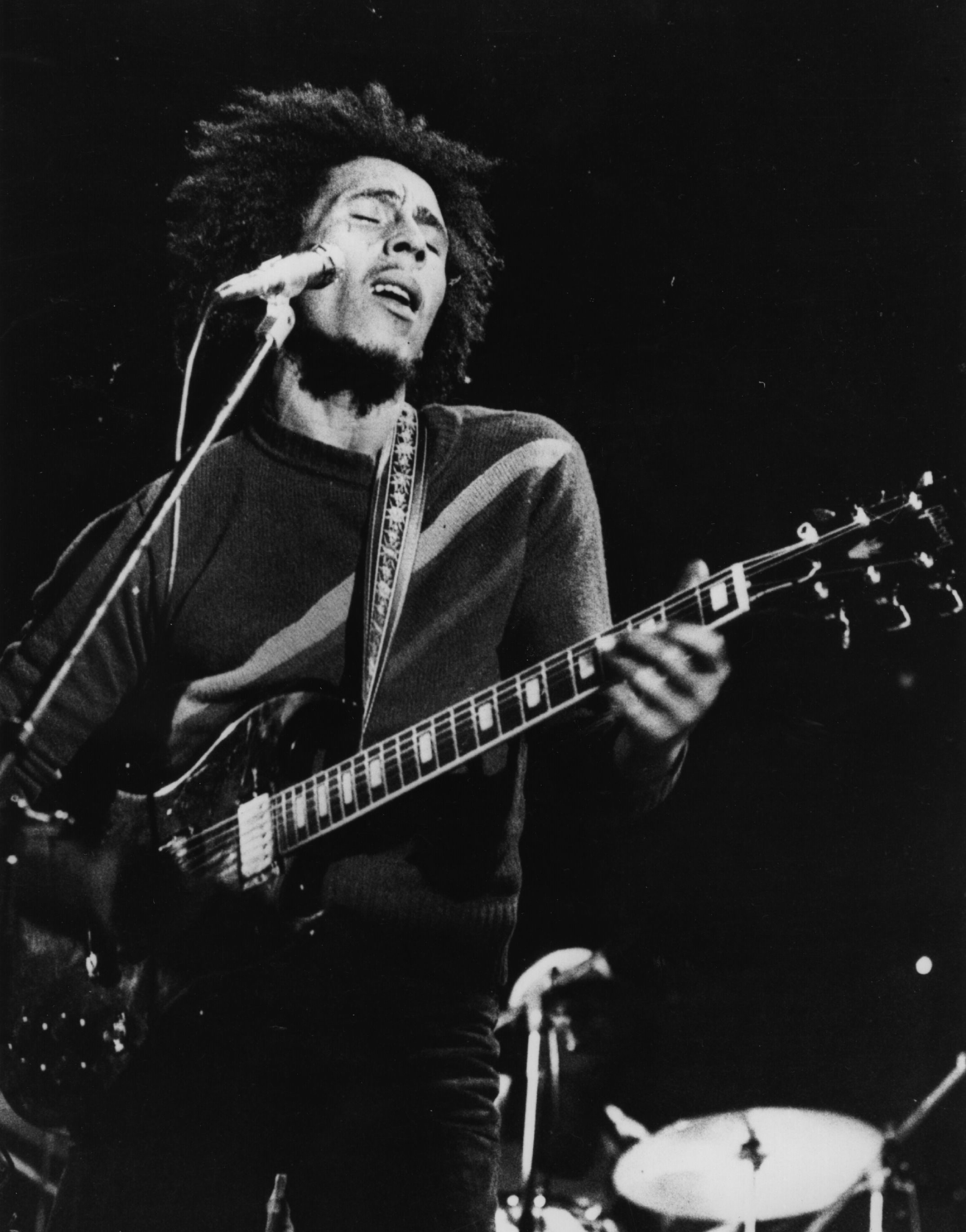
Bob Marley’s Call for Unity
Reggae, with its connection to Rastafarianism, has strong cultural significance and a distinct sound often paired with upbeat, positive lyrics. Bob Marley, considered one of the pioneers of reggae, often used his music to advocate for Pan-African unity, peace, and cannabis legalization, as heard in songs like “Redemption Song” and “Easy Skanking.”
In terms of Marley’s propensity to speak up for peace, he and his band, The Wailers, performed at the 1978 One Love Peace Concert in hopes of bringing people together to calm political violence amid civil war. Despite his death at only 36 years old, Marley’s impact on reggae (and music as a whole) lives on, particularly through his family members who followed in his footsteps and his record label, Tuff Gong.
Stay jammin’ with Marley and other Black icons on Bob Marley’s Tuff Gong Radio.
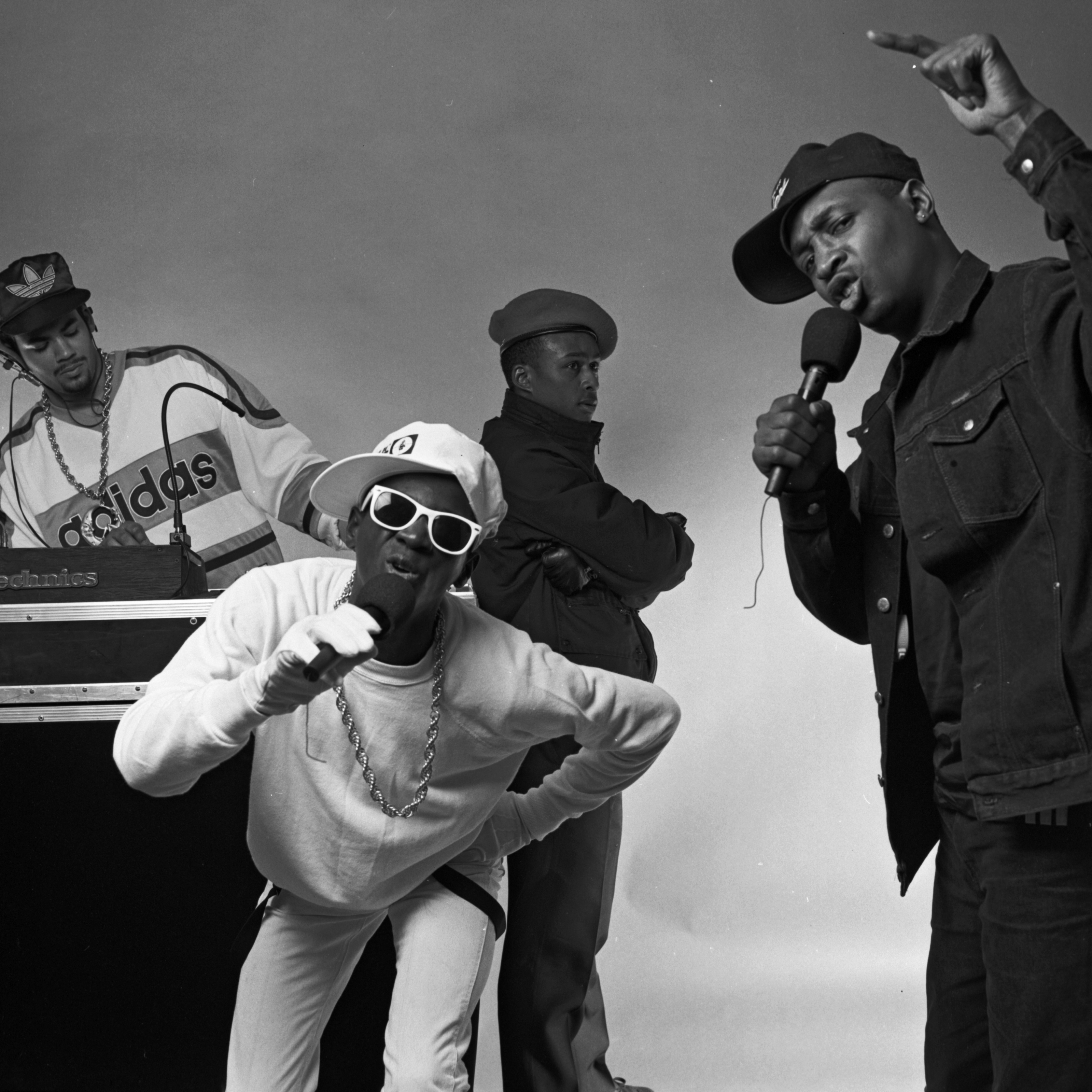
Public Enemy Fights the Power
From the beginning, Public Enemy was determined to bring the noise sonically and politically. Formed in the mid-1980s on Long Island, the legendary hip-hop group, including Chuck D, Flavor Flav, Terminator X, and Professor Griff, pioneered “political hip-hop,” speaking out against social issues, honoring Afrocentric themes, and incorporating innovative sampling.
In the beginning, many didn’t believe the Public Enemy hype, but the collective became stars with the albums “It Takes A Nation of Millions to Hold Us Back” (1988) and “Fear of a Black Planet” (1989), which included “Fight the Power,” the politically charged anthem featured prominently in Spike Lee’s iconic 1989 film, “Do the Right Thing.”
At the time, Chuck D called Public Enemy’s music “Black people’s CNN.” Their groundbreaking hits, as well as their new music, continue to soundtrack Black Lives Matter protests.
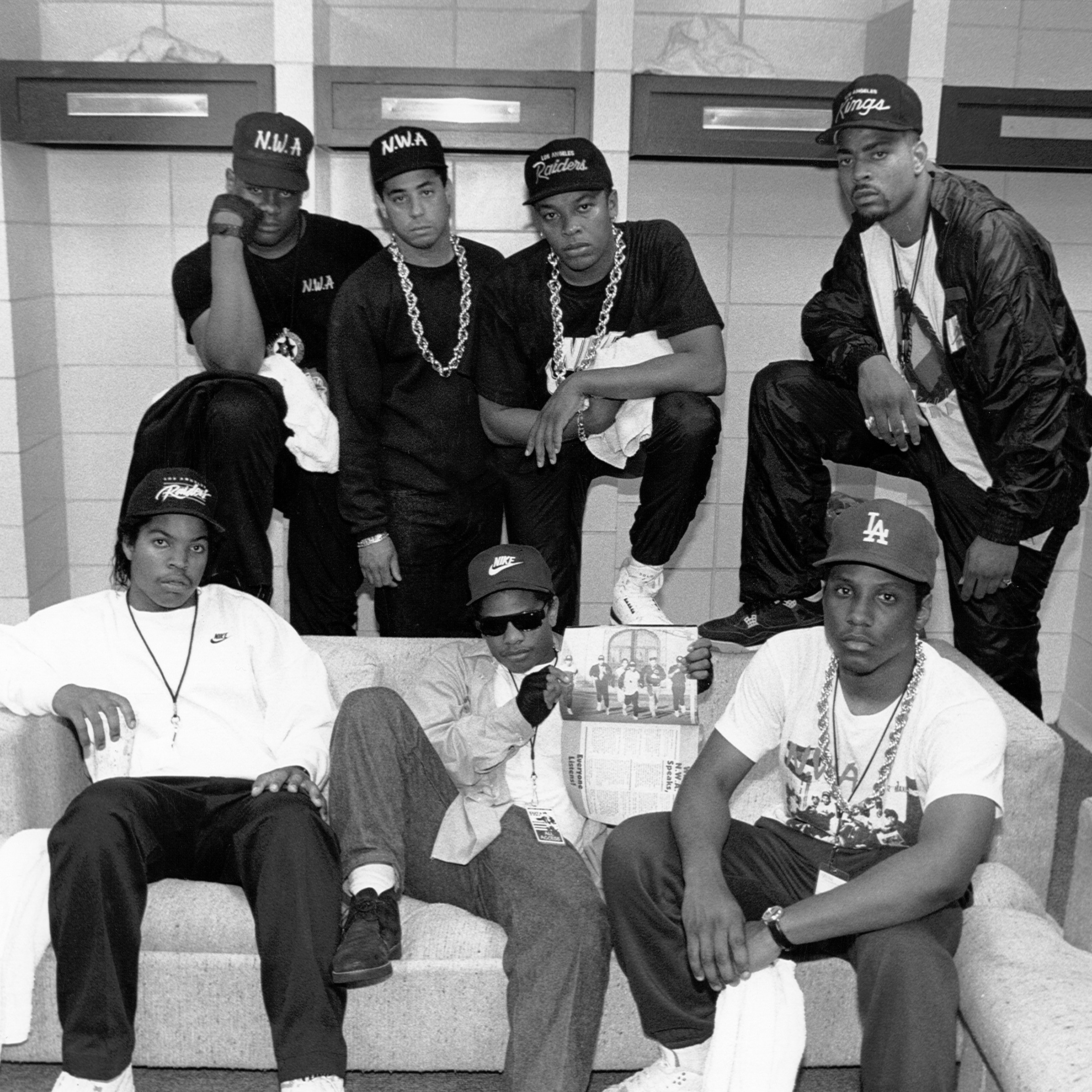
N.W.A. Becomes the World’s Most Dangerous Group
Some called it “gangsta rap,” while others viewed it as “reality rap.” Either way, this was hip-hop with an attitude.
When N.W.A. hit the scene in the late 1980s, their pioneering music, “street” fashion, and media attention not only inspired Black people hailing straight outta Compton, CA, but also helped bridge the racial divide in hip-hop by informing white people about gang violence, racism, and poverty in the Black community.
Eazy-E, Ice Cube, Dr. Dre, MC Ren, DJ Yella, and Arabian Prince billed themselves as the “World’s Most Dangerous Group” and, especially on their momentous debut album, “Straight Outta Compton” (which featured their song of the same name), coupled funky bass-driven samples with raw, explicit lyrics that documented — and even celebrated — realities of the West Coast gangs in Southern California.
Hear Public Enemy, N.W.A., and more on LL COOL J’s Rock The Bells Radio.
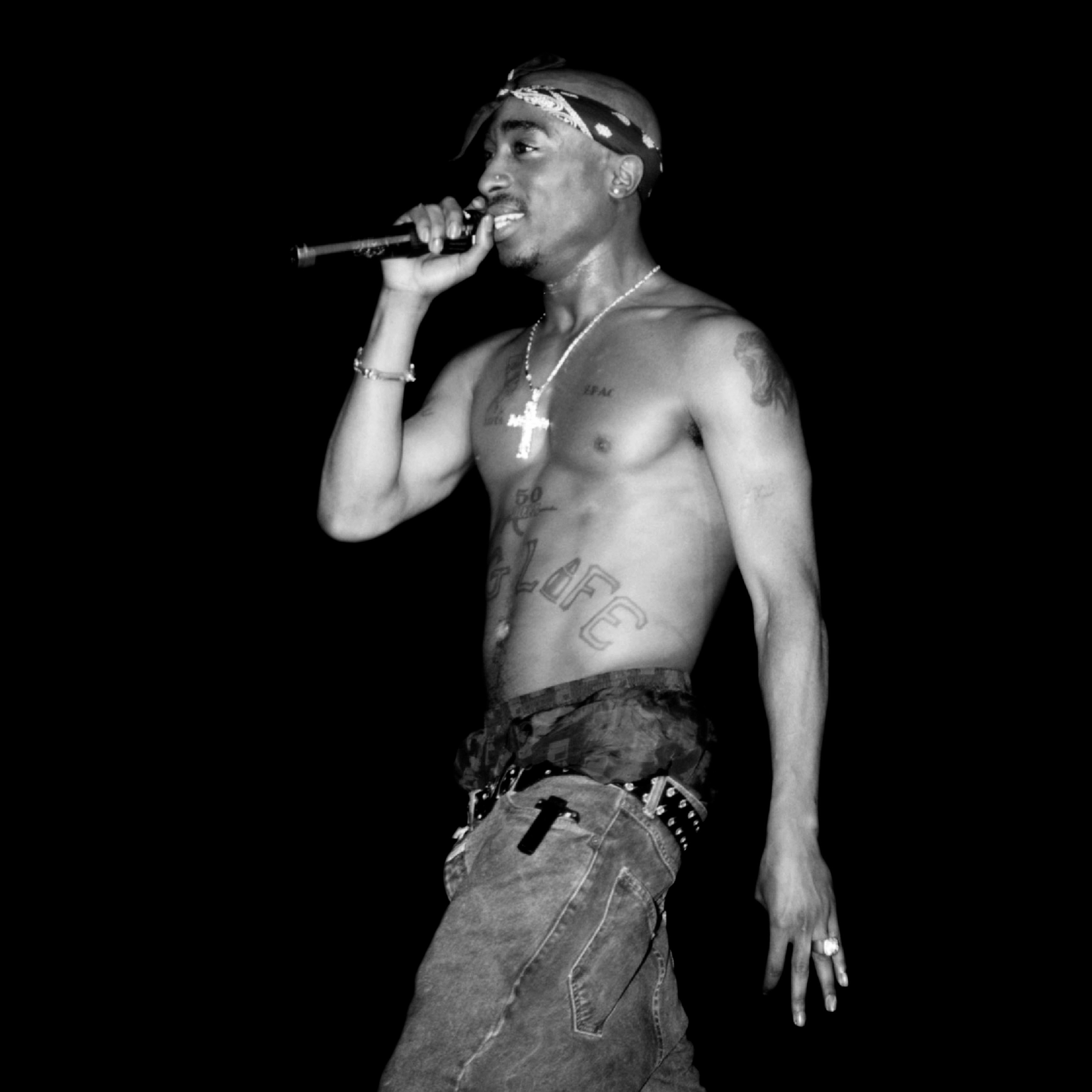
2PAC Calls for Changes
2PAC’s life goes on through his music. After his tragic death in 1996, the legendary rapper continues to influence the world with his timeless, prolific musical output and powerful political messages.
He was a heartfelt activist-poet who delved deeply into Blackness, systemic oppression, poverty, feminism, and more in actual poems, as well as in his enduring hits like “Changes,” “Keep Ya Head Up,” and “Dear Mama.” 2PAC is now one of the best-selling artists of all time, with lyrical commentary that has presaged the future social unrest.
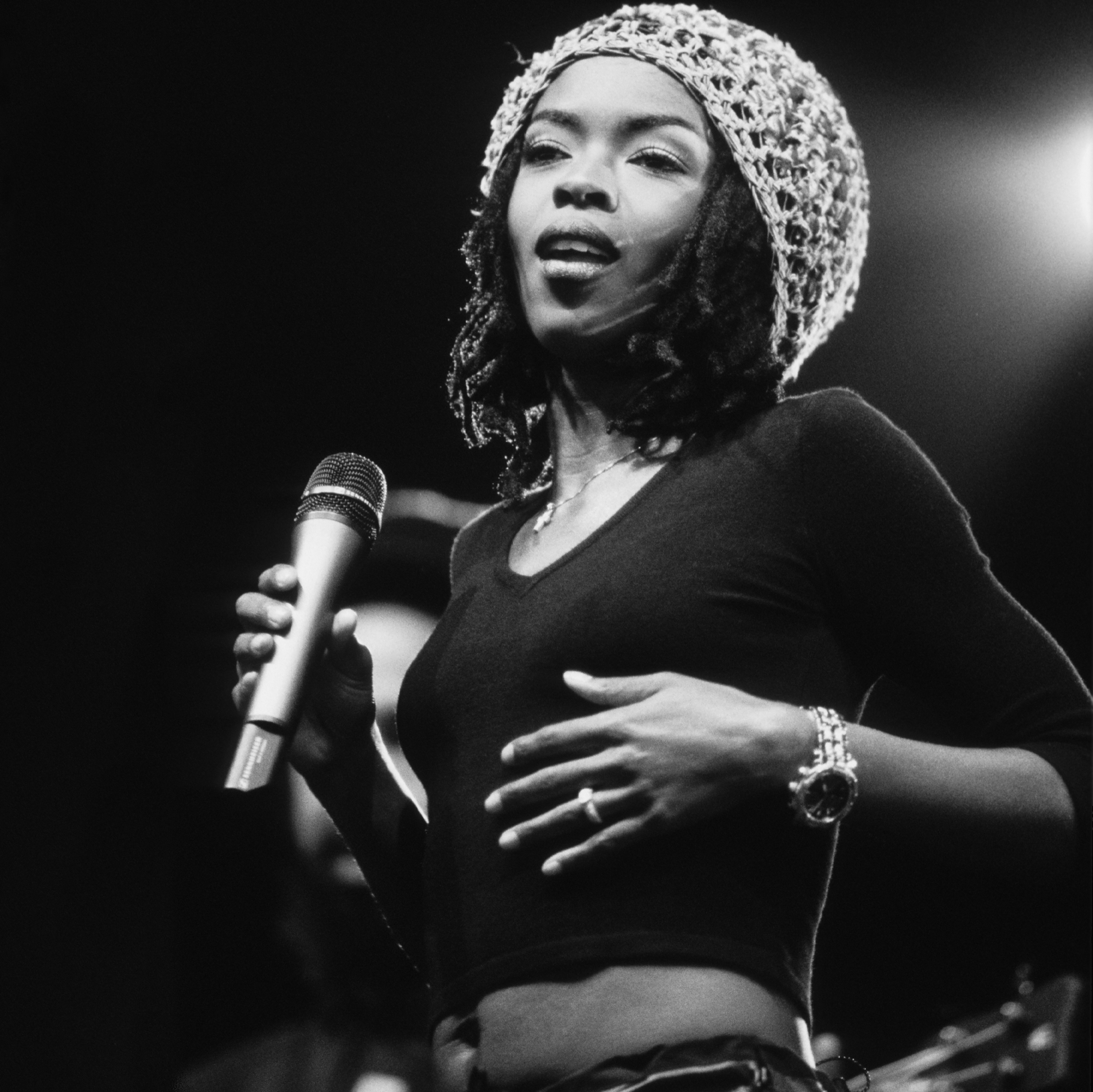
Lauryn Hill Connects Classic Soul & Hip Hop
While recording her landmark 1998 album, “The Miseducation of Lauryn Hill,” Lauryn Hill sought to make a record with “songs that lyrically move me and have the integrity of reggae and the knock of hip-hop, and the instrumentation of classic soul.”
Hill, then known as a member of the influential hip-hop trio Fugees, accomplished her goal with her one-and-only solo album. With Hill’s mix of clever rap verses and vulnerable R&B on hits like “Doo-Wop (That Thing)” and “Ex-Factor,” “The Miseducation of Lauryn Hill” expanded the limits of a genre that, at the time, predominately featured male-driven gangsta rap, and helped bring it to the mainstream after she became the first hip-hop artist to take home the GRAMMY for Album of the Year, as well as the first woman to win five GRAMMYs in one night. (Indeed, the future of hip hop was female.)
In the time since, Hill’s soulful music has spawned the popular neo-soul music genre and still inspires the sound and sentiment of artists like Beyoncé, Kanye West, Nicki Minaj, Kendrick Lamar, and countless more.
Hear Hill and other Black hip-hop/neo-soul icons on SiriusXM FLY.
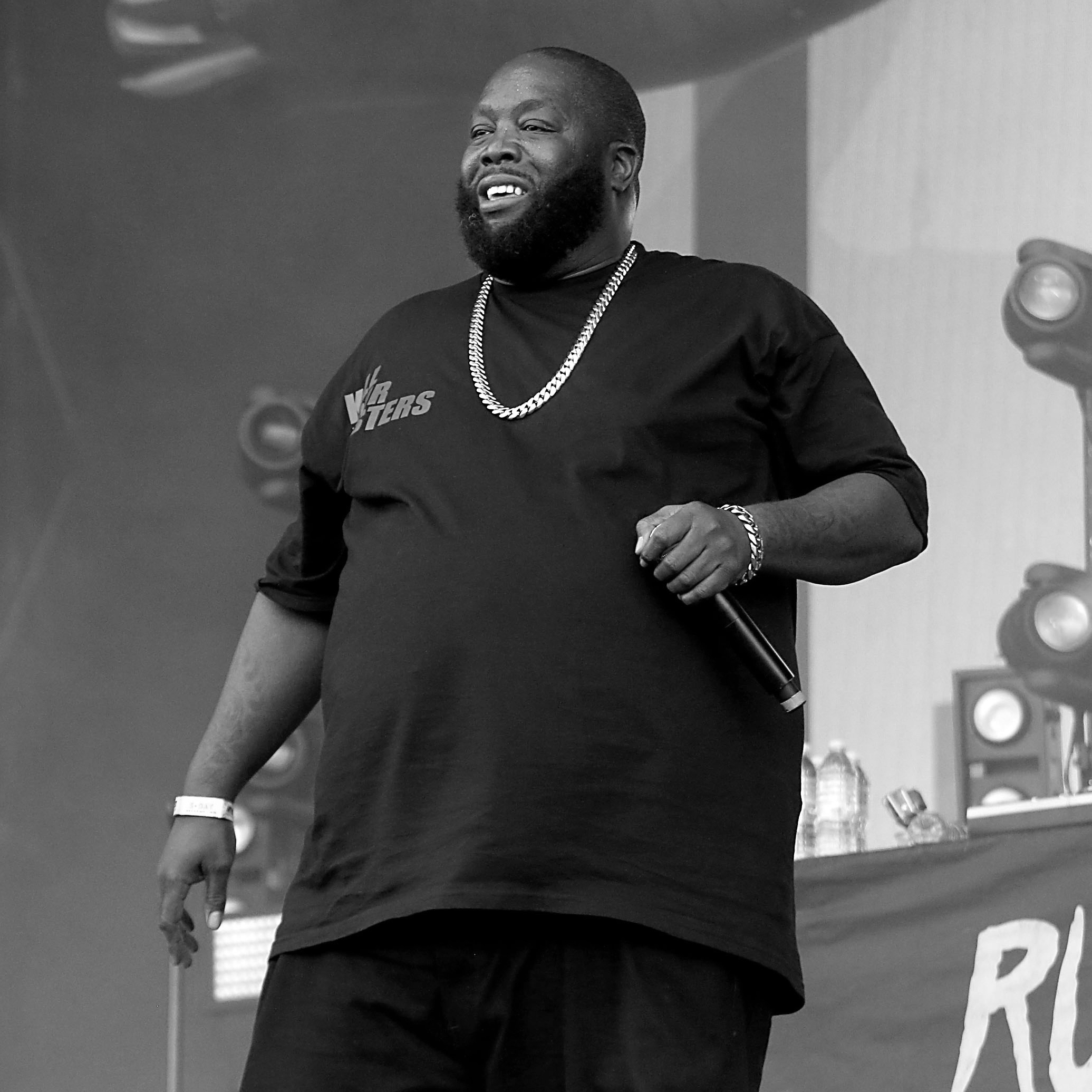
Killer Mike’s Longtime Activism
When it comes to outspoken figures in hip-hop, Killer Mike often comes up in conversation these days — and for good reason. The rapper, songwriter, and actor has been a vocal social activist for decades, both within his music and outside of it.
Musically, Killer Mike’s messages on brutality, social inequality, the government, and systemic racism can be heard in his 2012 song “Reagan” all the way through his current music as part of Run the Jewels with El-P (including the duo’s most recent release, “Walking in the Snow,” which focuses on the 2014 murder of Eric Garner and proves to be prescient).
When not crafting masterful lyrics shining a light on the realities of inequality in America, Mike is also penning op-eds and speaking out on the topic in interviews, as well as serving as a vocal advocate for politicians he believes will help drive progressive change. Most recently, Mike made headlines for delivering an impassioned speech in his hometown of Atlanta following the death of George Floyd and subsequent protests across the nation.
Given the raw and relevant tracks throughout Killer Mike’s discography, it’s safe to say that his music will soundtrack social change and political action for years to come.
Hear from Killer Mike, Run the Jewels, and other artists with a message on LL COOL J’s Rock The Bells Radio.
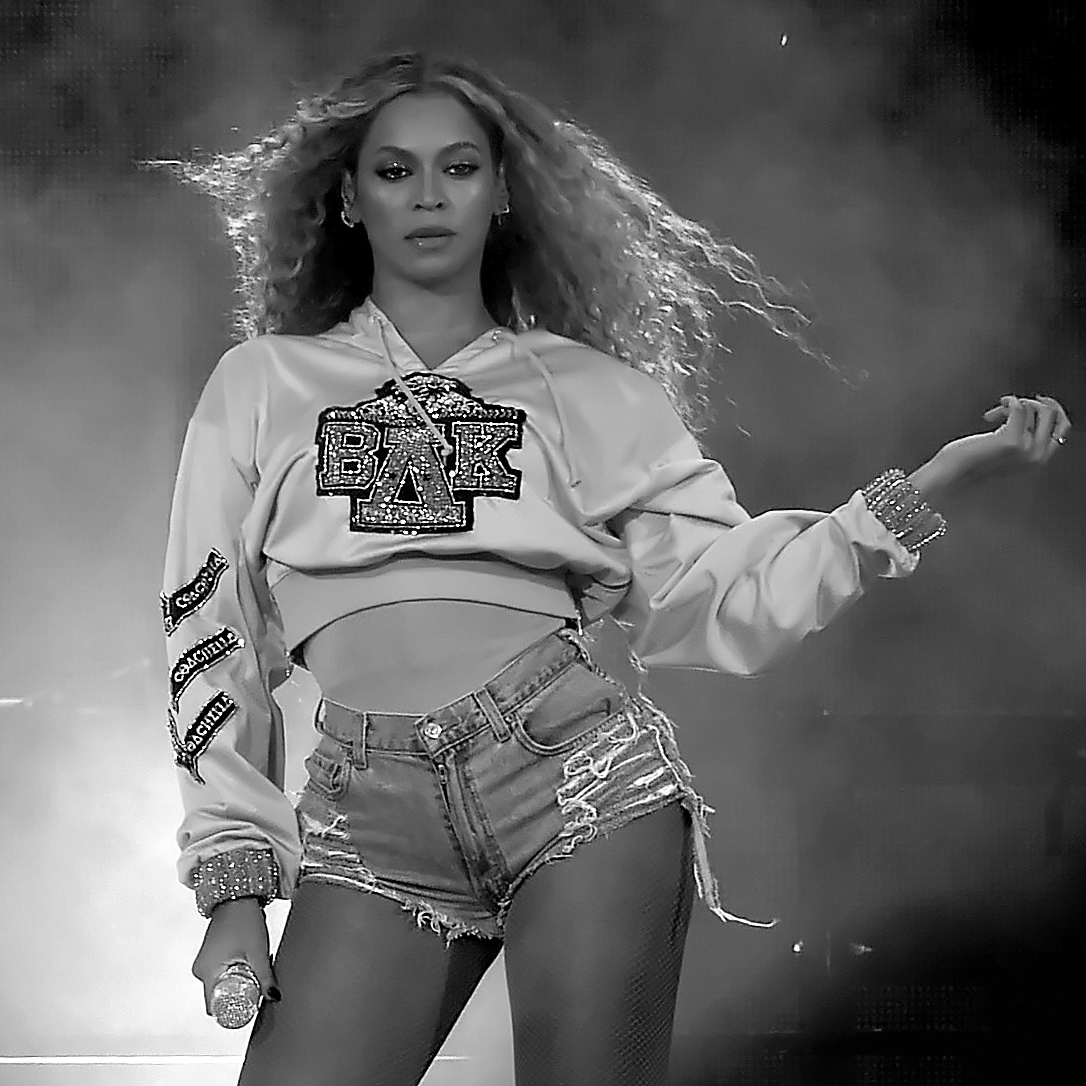 Beychella Breaks Barriers
You’d be hard-pressed to find anyone who doesn’t mention Beyoncé when discussing Black excellence.
From her start with Destiny’s Child, Beyoncé has made resonant, chart-topping music highlighting the joy, grief, and confidence of the modern Black woman. As one of the best-selling artists worldwide, along with having multiple GRAMMY Award wins under her belt, the singer-songwriter, actress, and entrepreneur has cemented her pop culture legacy. (After all, how many artists can cite a fanbase as dedicated as the Beyhive?)
That legacy includes her historic 2018 headlining performance at Coachella, which made Beyoncé the first-ever Black woman to headline the iconic festival. The performance — paying tribute to Black culture and heavily incorporating themes from Historically Black Colleges and Universities — broke records, becoming the most-tweeted-about set of the festival’s first weekend and most-streamed live performance.
Aside from smashing (both figuratively and literally, as seen in her “Hold Up” music video from her critically acclaimed album “Lemonade”) records, Beyoncé has also been a vocal supporter of feminism, LGBTQIA rights, and racial equality.
Hear music from Beyoncé and other powerhouse Black artists on The Heat.
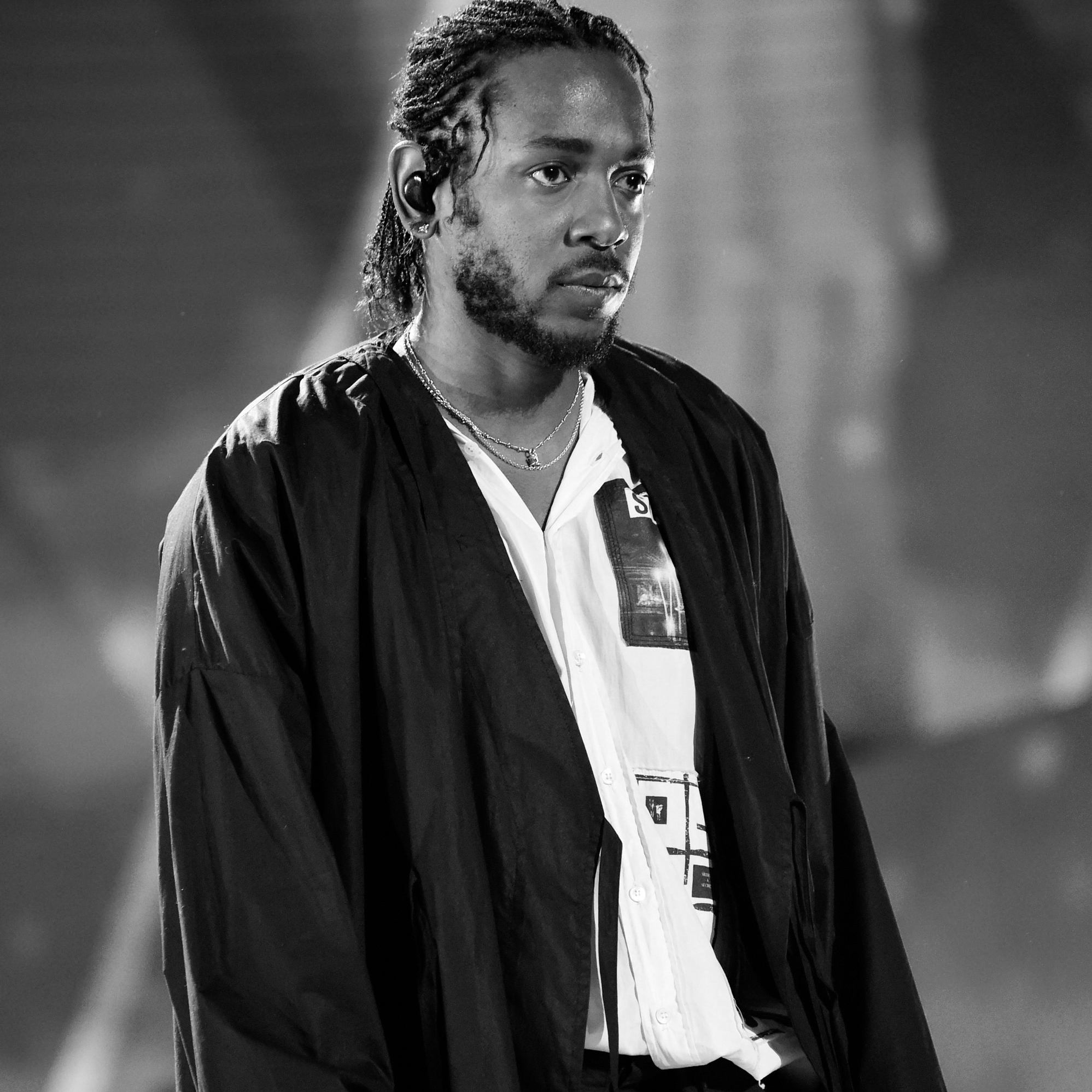 Kendrick Lamar Sets a Pulitzer Record
Kendrick Lamar (also known as K.Dot and Kung-Fu Kenny) is frequently praised for his ability to put perspectives on racism, Black empowerment, and social justice into masterful lyrics made for everything from the club to late-night drives. Particularly, Lamar’s “Alright” has been taken up as a protest anthem thanks to its simple yet powerful lyrics.
The rapper, songwriter, and producer, who already has 13 GRAMMY Awards under his belt, became the first non-jazz or classical artist to earn a Pulitzer Prize for Music in 2018 for his album “DAMN.” Despite being less outwardly political than his 2015 album, “To Pimp a Butterfly” (which featured “The Blacker the Berry,” “King Kunta,” and “Alright,” to name a few), Lamar maintained his conscious-rap style on “DAMN.,” weaving messages about the Black experience throughout (as heard in “DNA,” “Duckworth,” and more).
K.Dot also lent his artistry to the “Black Panther” soundtrack, curating original songs for the film, which has been lauded for refreshing and adding a new perspective to the superhero genre.
Hear Kendrick Lamar and other legendary hip-hop artists on Hip-Hop Nation.
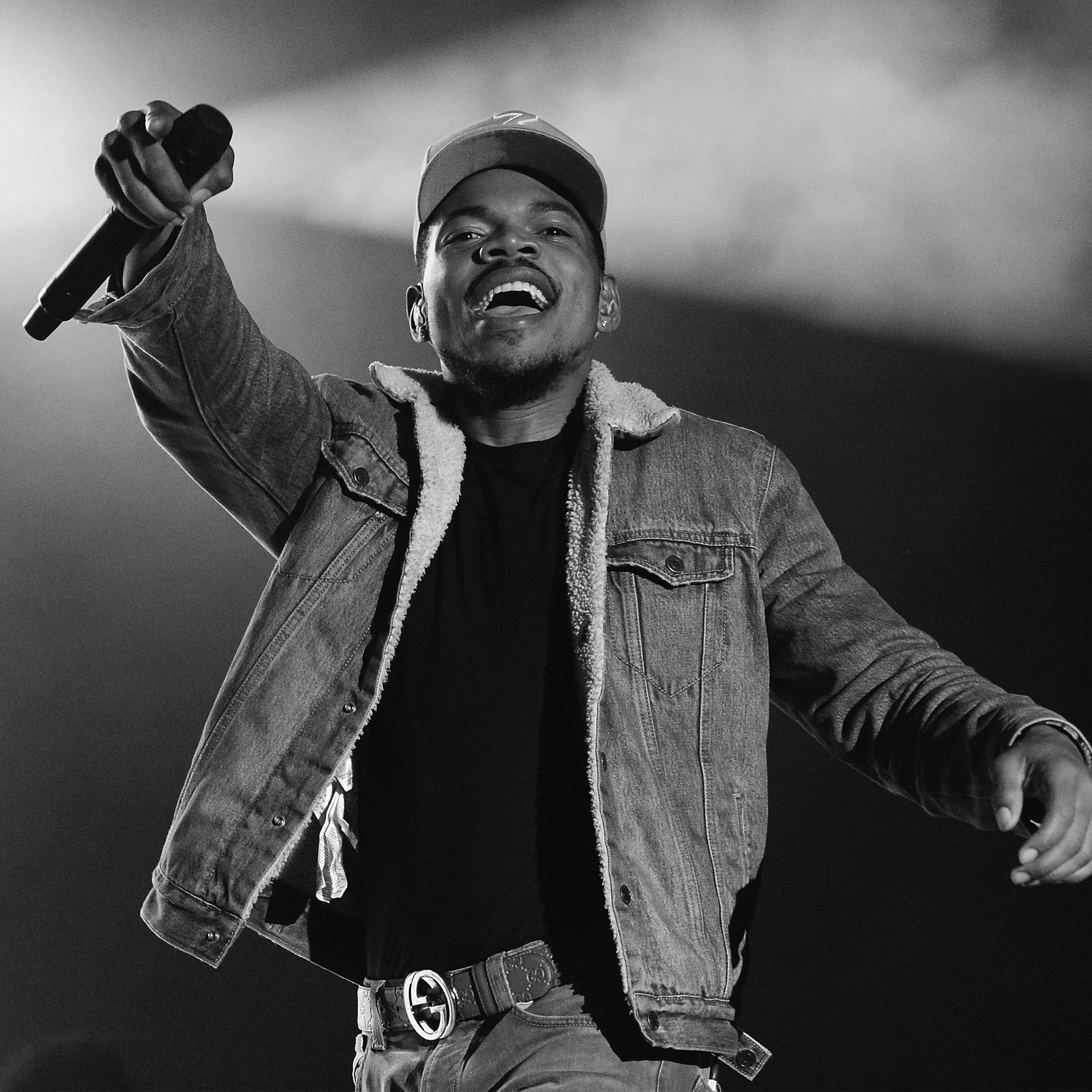 Chance the Rapper Colors Outside of the Lines
From the start of his career, Chance the Rapper has attracted attention and accolades for his ability to release groundbreaking hip-hop without the help of any traditional record label.
In 2017, he exemplified that success by being the first rapper to win Best Rap Album for his streaming-only mixtape, “Coloring Book.” The mixtape, combining big-name collaborations (including Kanye West, Kirk Franklin, Justin Bieber, and many more), gospel elements, true-to-life lyrics, and infectious beats, was quickly met with acclaim from both new and old Chance fans alike.
When not breaking ground musically, Chance is advocating for his home city of Chicago, particularly with regard to youth activism. This year, Chance the Rapper was honored with the UNICEF Chicago Humanitarian Award (which he was set to receive at the organization’s annual gala before it was canceled due to the pandemic).
Hear Chance the Rapper and other record-breaking Black artists on Hip-Hop Nation.


