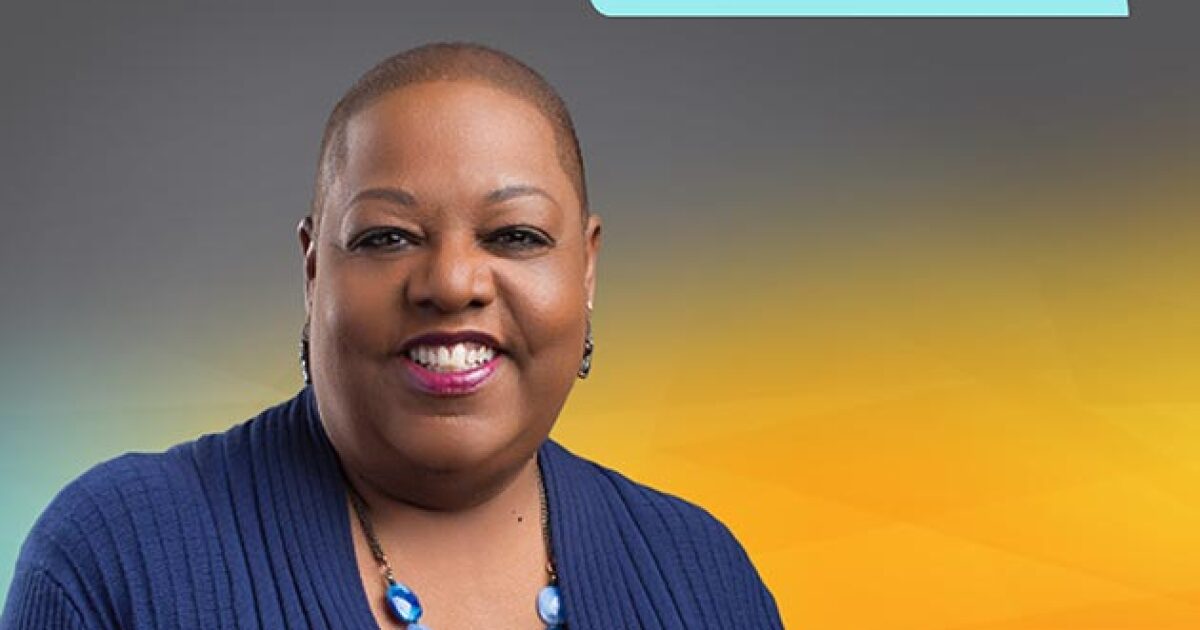
The Signal Tribune emailed 10 identical questions to the three District 7 candidates — Vivian Malauulu, Dameon Gordon and Jamies Shuford — and gave them one week to respond. We only received responses from Malauulu and Gordon at the time of publication.
Voting closes on Tuesday, June 2 at 8 p.m. All Vote Centers will be open from 10 a.m. to 7 p.m. through June 1. On Election Day, Tuesday, June 2, all Vote Centers will be open from 7 a.m. to 8 p.m.
Vote by Mail ballots may be returned at any Ballot Drop Box, Vote Center or by mail. No postage is necessary. Voters returning their ballot by mail must place the ballot inside the official return envelope and sign the back of the envelope. All Vote by Mail ballots must be postmarked by June 2.
The California Secretary of State recommends that voters mailing their ballot do so at least five days before Election Day. Voters who mail their ballot on Election Day are advised to obtain a manual postmark from a postal employee inside a United States Post Office.
All voters may track their ballots at https://california.ballottrax.net/voter/.
For more information, including a current list of all LA County Vote Centers, to check registration information or to request a ballot in a different language, visit lavote.gov.
These responses are copied verbatim from candidate Gordon.
1. What issues do you think are most important in your district, and how do you plan to address those issues?
The biggest issues I hear about in District 7 are housing costs, public safety, homelessness, and the feeling that our neighborhoods are too often overlooked. As someone who grew up in Long Beach and works directly in homeless services, these issues are personal to me because I see their impact on families every day.
People want to feel safe in their neighborhoods, afford to stay in the community they’ve built their lives in, and see real investment that improves quality of life without pushing longtime residents out.
My focus will be on practical solutions that improve everyday life: keeping neighborhoods cleaner and safer, supporting small businesses, protecting longtime residents from displacement, and pushing for better air quality and infrastructure in our community.
I’m not running to make promises from City Hall. I’m running to stay connected to residents and make sure District 7 has leadership that shows up, listens, and fights for results.
2. Would you rezone any areas of your district? If so, in what way?
I believe any rezoning in District 7 should be thoughtful, community-driven, and focused on improving quality of life for our community. I would support rezoning that helps bring needed neighborhood-serving businesses, mixed-use development, and more affordable housing opportunities into areas that have been historically underserved throughout our city.
At the same time, I do not support rezoning that leads to displacement or ignores the voices of the people who already live here. Too often, communities like ours are left out of the conversation until decisions have already been made.
District 7 deserves balanced development that creates opportunity while protecting the character and stability of our neighborhoods. That means listening to residents first, investing in infrastructure, and making sure growth benefits the community instead of pricing people out.

3. Residents in your district suffer from some of the worst air quality in the city. What would you do to improve air quality or lessen those health impacts?
District 7 has carried the burden of poor air quality for far too long. While people often say this issue is being addressed, many residents still feel neglected because they have not seen enough tangible improvements in their neighborhoods. Studies have shown that life expectancy and health outcomes in parts of West Long Beach are lower than in other areas of the city, and that should concern all of us.
I believe we need stronger investment directly into the communities most impacted. That includes advocating for Port Community Mitigation Trust Fund resources and other Port mitigation funding to be directed toward District 7 neighborhoods for air quality improvements, air filtration systems in the homes of seniors and in our schools, upgraded windows, and better environmental infrastructure without placing the burden on taxpayers who did not create this problem.
Residents deserve real programs and long-term investment, not just occasional raffles for air purifiers. They also deserve accessible air quality alerts so families know when it is unsafe to keep windows and doors open or spend extended time outdoors.
4. Considering District 7 is one of two districts in which the voting-age population is more than 39% Latino, how will you ensure those voters feel safe and heard, specifically with the increased aggression of ICE agents against Latinos?
Many families in our community are living with fear and uncertainty right now, and words alone are not enough. I believe Long Beach must remain a safe and welcoming city for all residents. As I’ve said before, “First it’s our undocumented neighbors, next it could be you or me.”
I work at an organization that already helps vulnerable families connect to support, resources, and guidance during difficult times, so I understand how important trusted community partnerships are. As councilmember, I would continue working with local organizations to expand access to know-your-rights workshops, legal resources, and multilingual community support so residents know they are not alone.
People are tired of leaders simply talking about problems. If we truly want residents to feel safe and heard, then we have to back our words with visible action, community presence, and real support for the families being impacted.
5. Long Beach’s Black population has been slowly dwindling over the years, losing an essential part of its history and identity. What are some ways you would approach this issue?
Long Beach’s Black community has played an important role in shaping the history, culture, and identity of this city, and many residents are concerned about being priced out or feeling overlooked. Preserving that history means more than recognizing it during celebrations or events. It means creating a city where Black families can afford to stay, build wealth, and continue being part of Long Beach’s future.
I support preserving and investing in spaces connected to Long Beach’s Black history and culture, including the Black cultural and historical district, while also creating real economic opportunities through homeownership, support for Black-owned businesses, and protections against displacement.
We also cannot ignore the racial tensions and divisions that still exist in our communities. Bringing people together starts with honest conversations, representation, and leadership that listens to residents and invests fairly in neighborhoods that have too often felt left behind.

6. West Long Beach also has very little green space for its residents. What are some ways you would address this issue?
Over the years, West Long Beach has lost much of the open space that many longtime residents remember growing up with, and that is deeply saddening to me. In a community already dealing with environmental impacts and dense industrial development, green space should not feel like a luxury.
I believe the city has to do a better job identifying underused lots, neglected spaces, and future development opportunities that can be turned into small parks, tree-lined areas, and community spaces residents can actually use and enjoy. The spaces we do still have can also use real revitalization so they feel safe, welcoming, and maintained for the families who rely on them.
Green space is about more than appearance. It gives families, seniors, and young people a place to breathe, gather, exercise, and feel connected to their community. West Long Beach deserves the same investment in quality of life that other parts of the city often take for granted.
7. Long-standing equestrian communities that have called your district home for decades have voiced concerns about development impeding their way of life. Would you be in favor of developing in areas near these communities and their trails, or would you enact protections for those communities?
As a Long Beach native, I believe it is important to preserve the history and character that make our city unique, and equestrian communities throughout Long Beach are part of that history. These neighborhoods and trails have been part of the community for generations, and they deserve to be respected and protected as the city continues to grow. The District 7 equestrian area is especially meaningful to me because it is one of my son’s favorite places to visit.
I support protections that preserve trail access, safety, and the character of these communities while making sure residents are included early in conversations about nearby development. The community and these families deserve a real seat at the table when decisions are being made. Too often, residents feel like they are constantly being asked to give up more and more of the spaces that matter to them. We have taken enough. No more.
8. The 3701 Pacific Place Project has been a contentious situation between environmental groups and a city council that has continuously, unanimously approved development on this green space that was once promised to West Long Beach residents. Where do you stand on the 3701 Pacific Place project?
Hearing about the loss of this last bit of green space was devastating to me because this space had so much potential for our community and city. In a city where many neighborhoods already lack access to meaningful open space, residents had every right to feel frustrated and unheard throughout this process.
I believe residents deserve transparency, honest community engagement, and a real voice in decisions that directly impact their neighborhoods. Too often, people feel like development decisions are already made before the community is truly heard. It was also concerning to many residents that none of the members of the Planning Commission voting on this project were from West Long Beach.
Once open space is gone, it is very difficult to get back. We need leadership that takes community concerns seriously and understands that quality of life matters just as much as development.

9. The Westside Promise was launched in 2023 as a 10-year community investment project. Do you think the City has done a substantial job of improving the quality of life in West Long Beach? Additionally, what aspects of the promise do you intend to address over this next term?
I appreciate that the Westside Promise brought long overdue attention and investment to West Long Beach, but outside of some park improvements, many residents still are not seeing tangible changes in their everyday lives. People continue raising concerns about air quality, illegal dumping, public safety, infrastructure, and economic opportunity, and many still feel unheard.
As someone who has attended the Westside Long Beach Civic Deliberation meetings, I have seen residents take time to provide thoughtful suggestions and feedback, only to feel like their input was never seriously considered. The same frustration exists with many city surveys and budget input efforts. Residents continue participating, but too often they do not see their concerns reflected in actual decisions or investments.
For me, the next phase of the Westside Promise has to focus on accountability, transparency, and visible results. Residents deserve more than meetings and surveys. They deserve to actually see their voices shaping the future of their community.
10. The Equity and Human Rights Commission has recommended the City adopt a Civil Human Rights Investment Screening Policy. Do you support the adoption and implementation of this policy?
I support the intent behind this policy because residents deserve to know that city decisions are being looked at through the lens of fairness, equity, and community impact. Communities across Long Beach have not all experienced growth, investment, or environmental impacts equally, and that reality should be acknowledged when major decisions are being made.
At the same time, I believe policies only matter if people can actually see the results in their neighborhoods and daily lives. I do not want this to become another document or process that sounds good but changes very little for residents.
For me, this comes down to accountability. If the city says equity and human rights matter, then residents should be able to see that reflected in where investments go, how communities are engaged, and how decisions are made.