It may have rained on the parade, but wet weather couldn’t dampen the spirits at Saturday’s Juneteenth Heritage Festival on Lafayette Street in Jefferson City.
Hundreds of attendees came to celebrate the federal holiday recognizing the emancipation of Black enslaved people in 1865. The event, hosted by Lincoln University on Soldiers Field, has become one of the largest annual Juneteenth celebrations in Mid-Missouri.
Despite rain this year and scorching hot weather in 2025, the annual celebration has continued to grow, and this year needed the accommodation of Soldiers Field after outgrowing its old on-campus site.
Doug Wright III, who is in his third year serving on the board responsible for organizing the festival, was thrilled with Saturday’s turnout despite the rain.
“The festival has grown beautifully; the energy is good, the spirit is high, as you can see,” Wright said while gesturing to the sprawling setup. “People came during the rain, nobody pulled out, and people are still coming.”
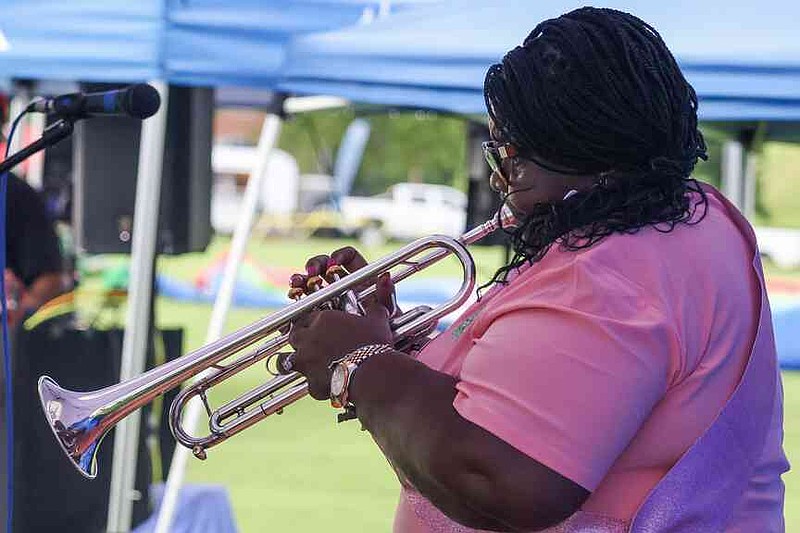
Saturday’s event featured guest speakers, dance performers and solemn moments of commemoration, like an Emancipation Program and the laying of a commemorative wreath.
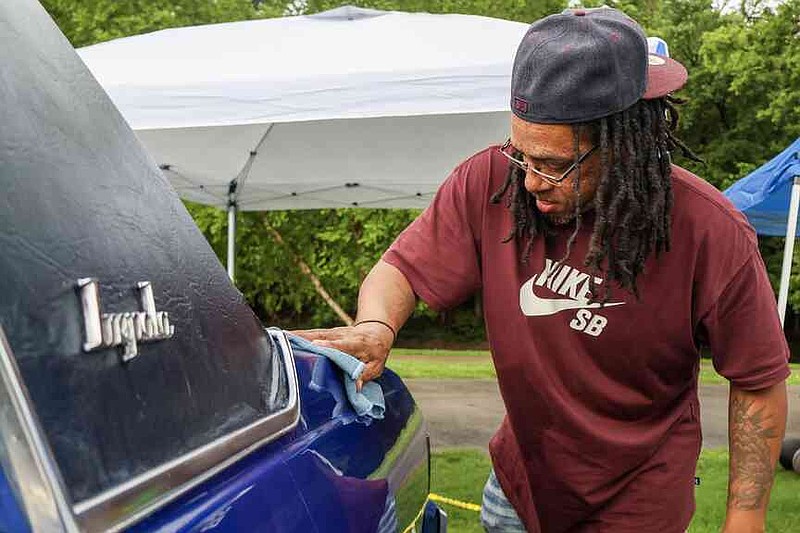
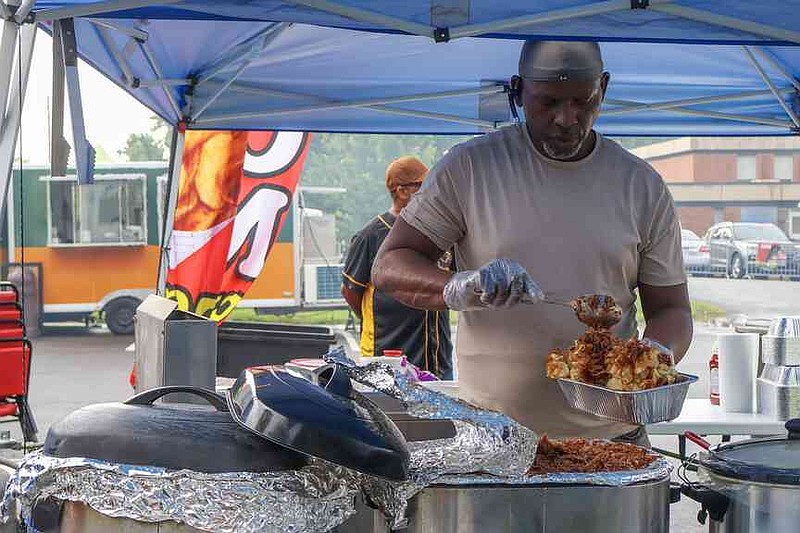
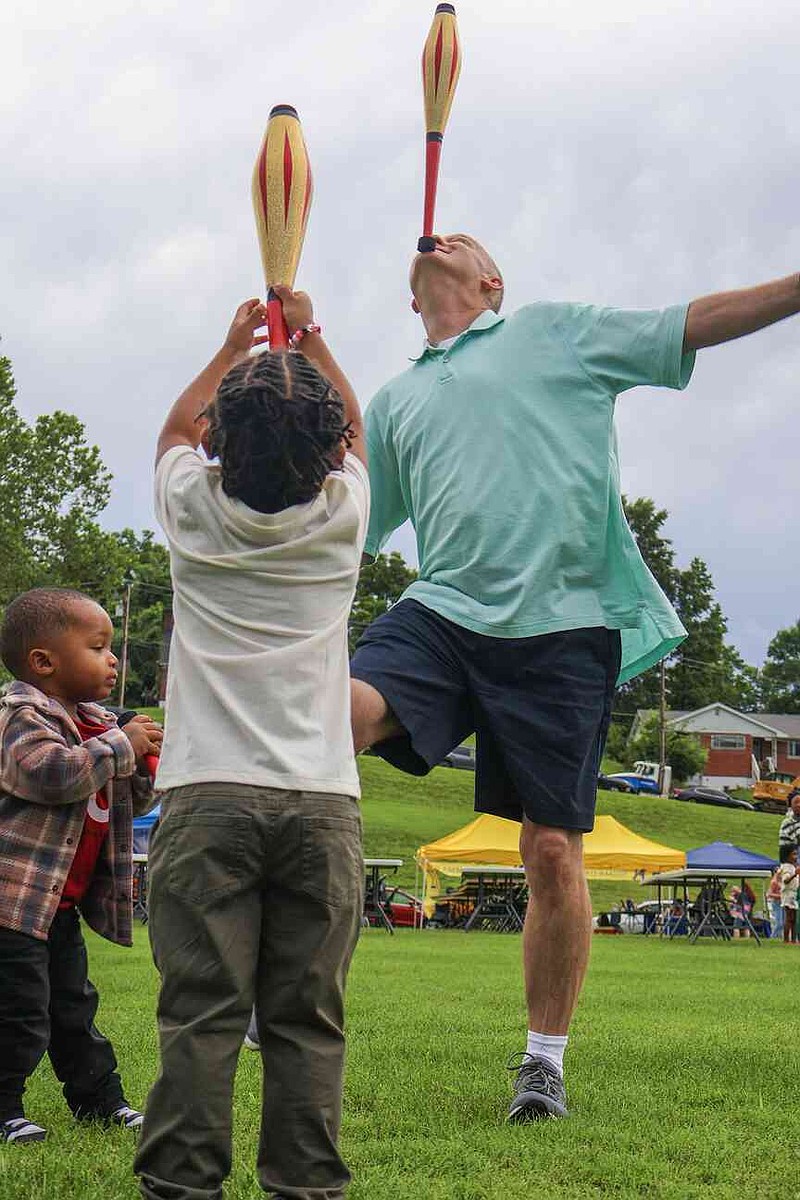
Most of the event, though, was much more laid-back, as people from the Jefferson City community connected. Chatter and the smell of jerk chicken wafted through the air as backyard football games commenced in empty spaces on Soldier Field.
“This is comfortable; it feels like home,” said Musili Folan, an employee of Tessy’s Kitchen who was experiencing her first Juneteenth in Jefferson City. “This is above my expectations. I wasn’t expecting this many people, but it’s been amazing.”
Tessy’s Kitchen, a Nigerian pop-up restaurant, was one of many food options from different parts of Black culture. In Folan’s view, the celebrations were for every aspect of Black culture.
“It’s representing culture. We’re remembering history,” she said. “And we’re celebrating with people that look like us.”
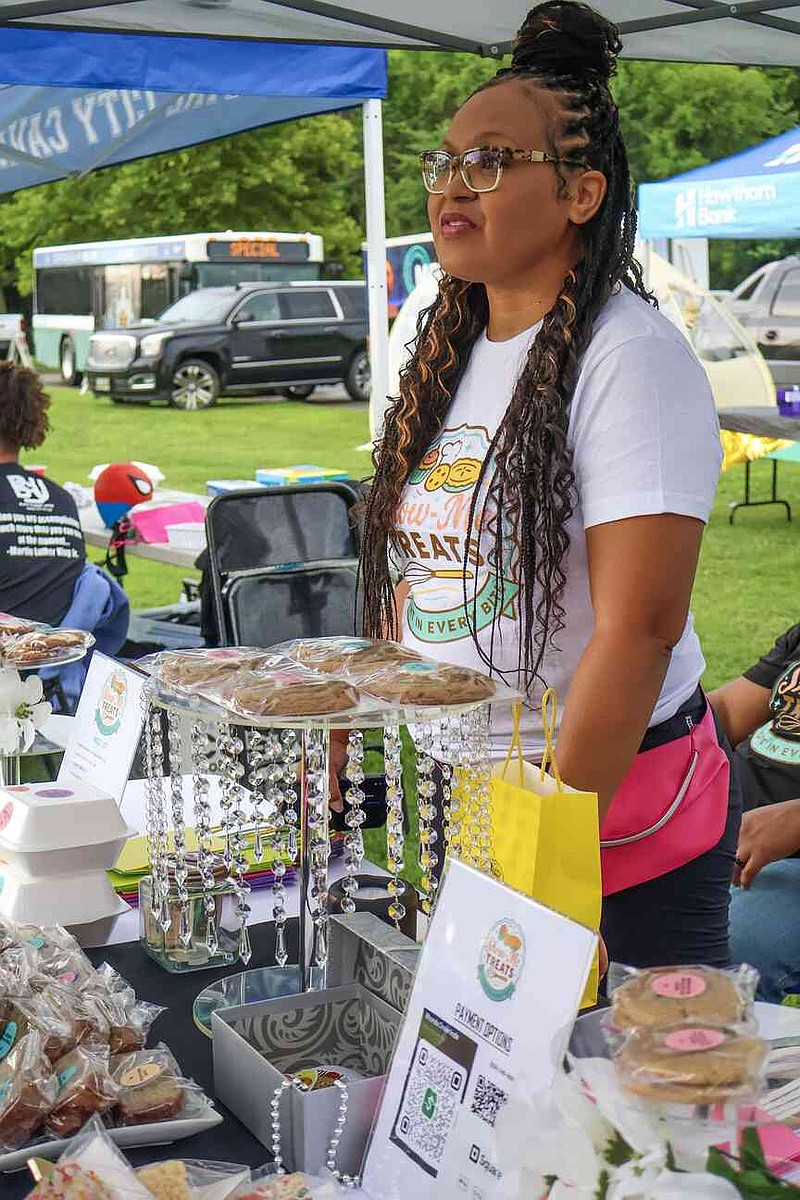
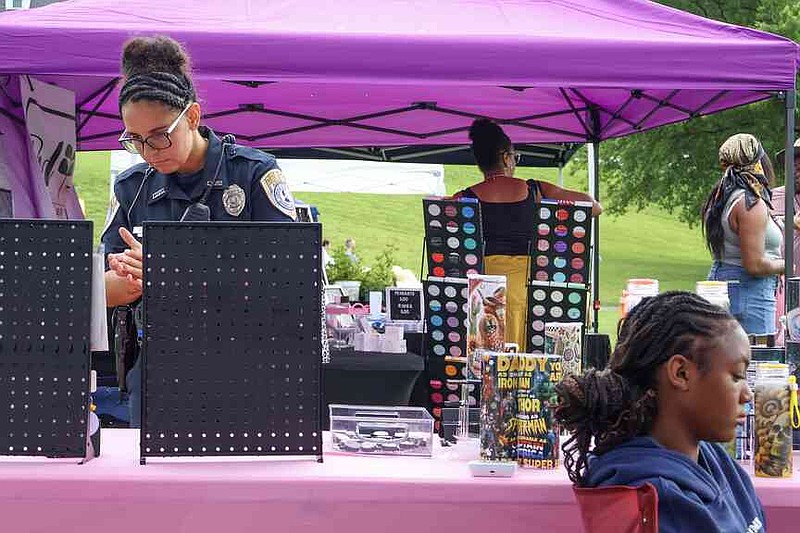
Many vendors said the event was a good way to connect with other Black-owned businesses in the area and connect with the local Black community. Erica Dickson and Matthew Smith, co-owners of The Herbal Joint in Columbia, said the trip down U.S. 63 was worth it to connect with other Black entrepreneurs who faced the same roadblocks in starting a business.
“It’s been really beautiful to be among people with shared lived experience,” Dickson said. “No matter how different our businesses are and some alike, it’s just been a beautiful thing to come together and celebrate.”
While the traditional cultural cuisine connected people to their roots, Smith said he and Dickson try to “liberate through wellness.”
“As African Americans, we haven’t always had a choice in the things that we consume, and sometimes that lack of choice is turned into tradition,” he said. “Opening ourselves up to different ways to use nutrition as a form of wellness and a form of having freedom of choice.”
The event also featured tons of activities for kids, and families flocked to the event. Attendees Rusheda and Kizan David brought their son to his second Juneteenth festival, and said they were impressed at the range of activities despite a rained-out bouncy house.
“The first time he was kind of shy, but now he’s older. He’s curious — he wants to go see the trucks,” Rusheda David said shortly after finishing a tour of a Jefferson City Fire Department truck. “The bus, the truck, they have a gaming box over there, too. Each tent has activities for him to do.”
Graduates of Lincoln University, the Davids have come to Juneteenth celebrations since their early years at the historically Black university. The pair described the festival more as a community kick-back.
“I know what to expect when I come around here, just to connect,” Rusheda David said.
“See some people you haven’t seen in a while,” Kizan David added.
Seeing Jefferson City mingle and celebrate the holiday was a full-circle moment for Wright, who founded Building Community Bridges in Jefferson City after growing up in Detroit during the worst of the 1980s inner city crack cocaine epidemic, which ravaged the city’s Black population disproportionately.
“It’s like a big old hug,” Wright said with a grin. “This is the right energy right here, this is what it’s about.
“You have to bring hope, because we live in a hopeless day. That’s what it’s about, it’s about that uplift, that hope. Letting them know that ‘You ain’t by yourself.'”