This year’s Juneteenth arrives at a particularly charged moment in Washington, D.C.
As the Trump administration promotes nationalist celebrations of America’s 250th anniversary, questions about citizenship and belonging feel especially loaded. And in the nation’s capital, those conversations carry a unique historical weight.
In 1862, D.C. enacted the District of Columbia Compensated Emancipation Act, abolishing slavery in the city — months before President Lincoln enacted the Emancipation Proclamation (and three years before enslaved people in Galveston, Texas, were informed of their freedom on June 19, 1865.)
For many Black Washingtonians, emancipation is acknowledged not only as a historical milestone, but as a symbol of self-determination, resilience, and the ongoing pursuit of freedom. It represents the possibility of living fully and authentically in a nation with a long history of granting rights unequally.
In advance of Juneteenth, I spoke with six local artists and cultural organizers about what the holiday means to them — and how their work continues a longstanding tradition of cultural preservation, community building, and collective remembrance.
Adewale Agunbiade-Maye, founder of Nommo House
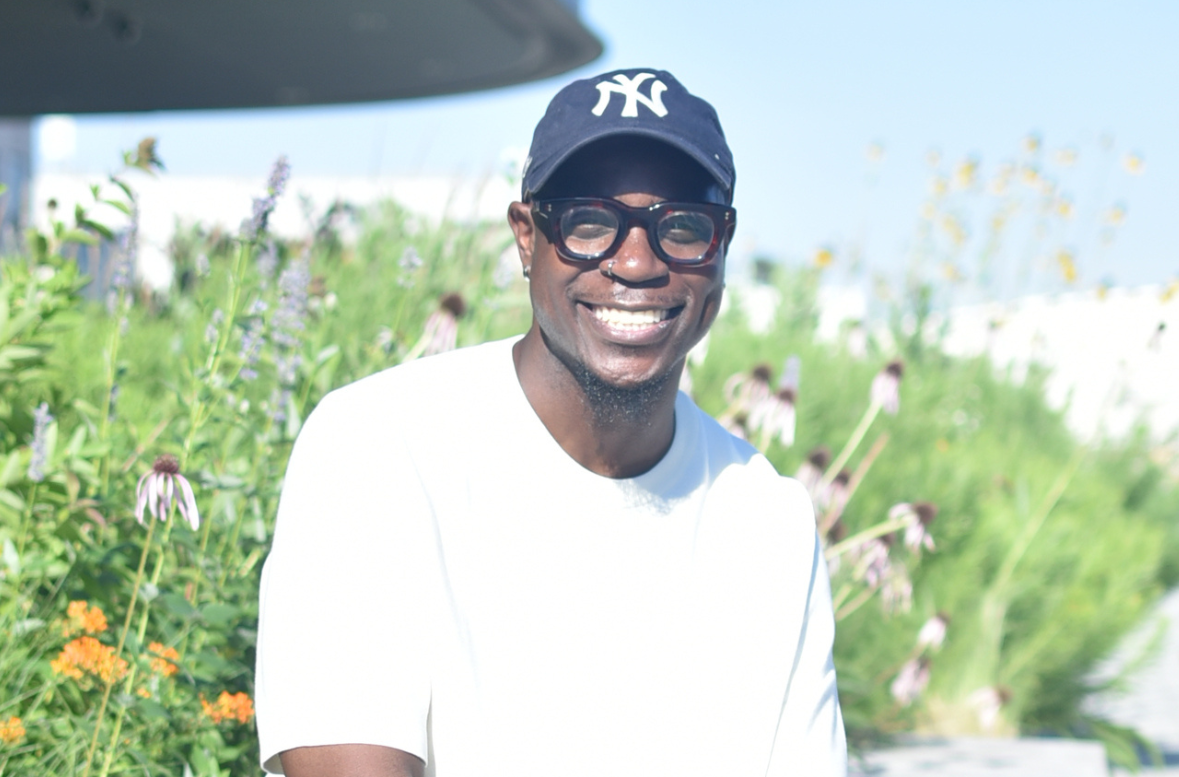
Over time, Adewale Agunbiade-Maye’s relationship with Juneteenth has evolved. Some years, he attends community celebrations. Others, he volunteers or participates in service projects. And sometimes, it’s a day for relaxation.
“Rest is resistance too, especially in this country,” said Adewale Agunbiade-Maye, the 29-year-old founder of roaming D.C. art gallery Nommo House.
This Juneteenth, he’ll be hosting his latest exhibition, “INHERITANCE,” just blocks from the White House. “Choosing to present this exhibition is, in itself, an act of resistance,” said Agunbiade-Maye, who lives in Edgewood. “Every aspect of this project feels political because our lives are political.”
The exhibit will feature more than 30 artists from across the region, including photographers, painters, sculptors, and mixed-media creators. One featured artist immigrated from Ethiopia and uses her work to explore displacement, memory, and the anxieties created by increased immigration enforcement. Another examines the relationship between Black hair, identity, and resistance.
Whether exploring memory, heritage, lineage, language, or tradition, all of them will answer the question: What do we carry forward?
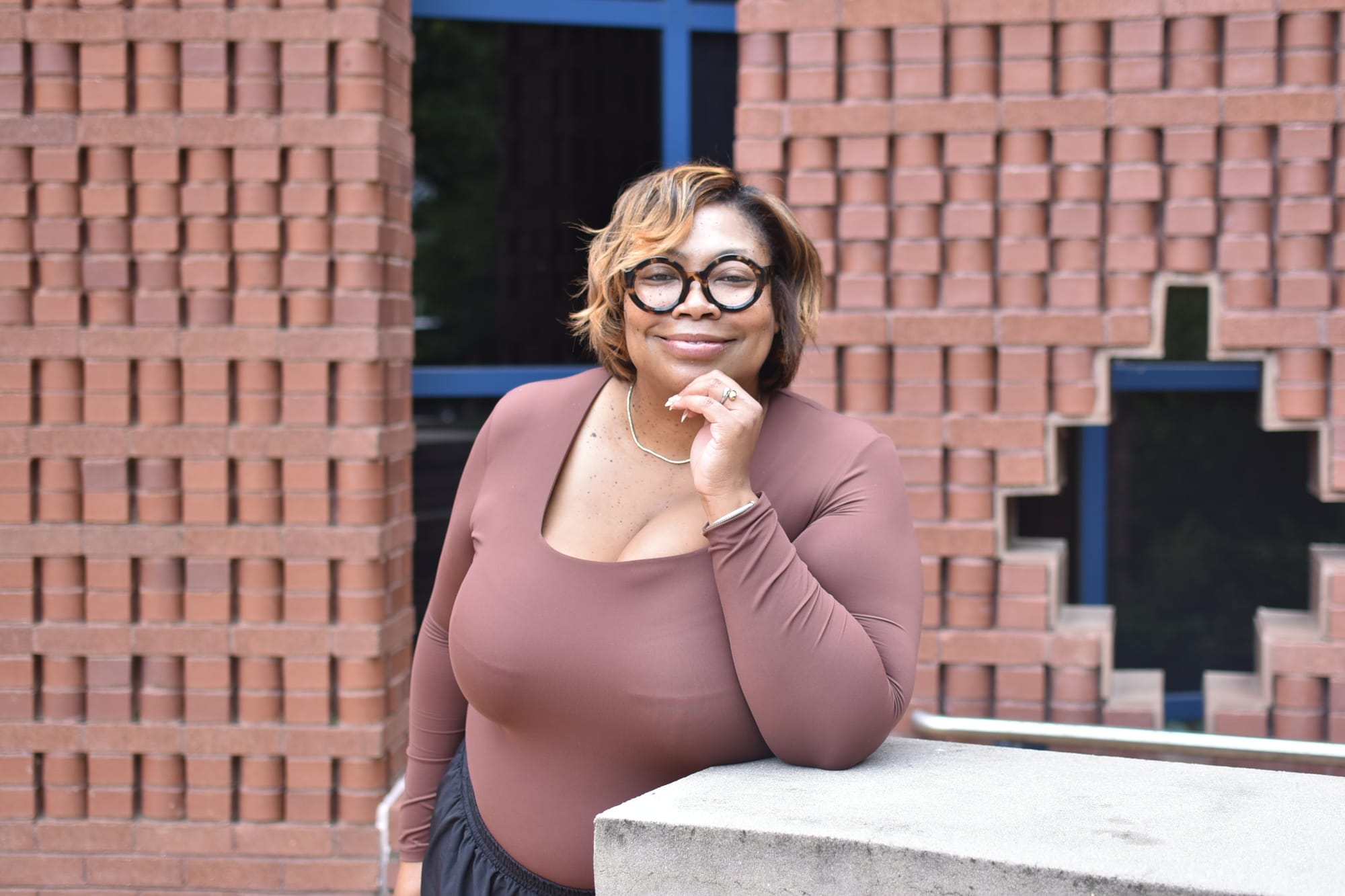
For Tiffany Penn, Juneteenth is “a celebration of receiving knowledge, passing down information, collecting it, and still making history.”
For months, as the public programs manager at the Anacostia Community Museum (ACM), she’s been preparing for the museum’s largest Juneteenth celebration to date.
ACM has celebrated the holiday since 1989, after a staff member from Texas introduced it to colleagues. One exhibit, “Jubilee: African American Celebrations,” took museum staff to Galveston, Texas, where they documented local Juneteenth festivities and incorporated them into the exhibition.
This year’s event, called “Power in the Past. Strength in the Future,” is a daylong gathering featuring live performances, workshops, and a roller skating rink in the parking lot. Attendees can also view their most recent exhibit, “We Make History,” which showcases how everyday artifacts like letters, photos, and sports memorabilia can contribute to cultural preservation.
As conversations about history, race, and public memory continue to intensify nationally, Penn sees local storytelling as more important now than ever. She worries that too many stories about D.C.’s Black communities risk being forgotten if they are not intentionally preserved and shared.
“We are doing what ACM has been doing since the 1980s. We’re living out our mission. We’re sticking to our plan,” she said.
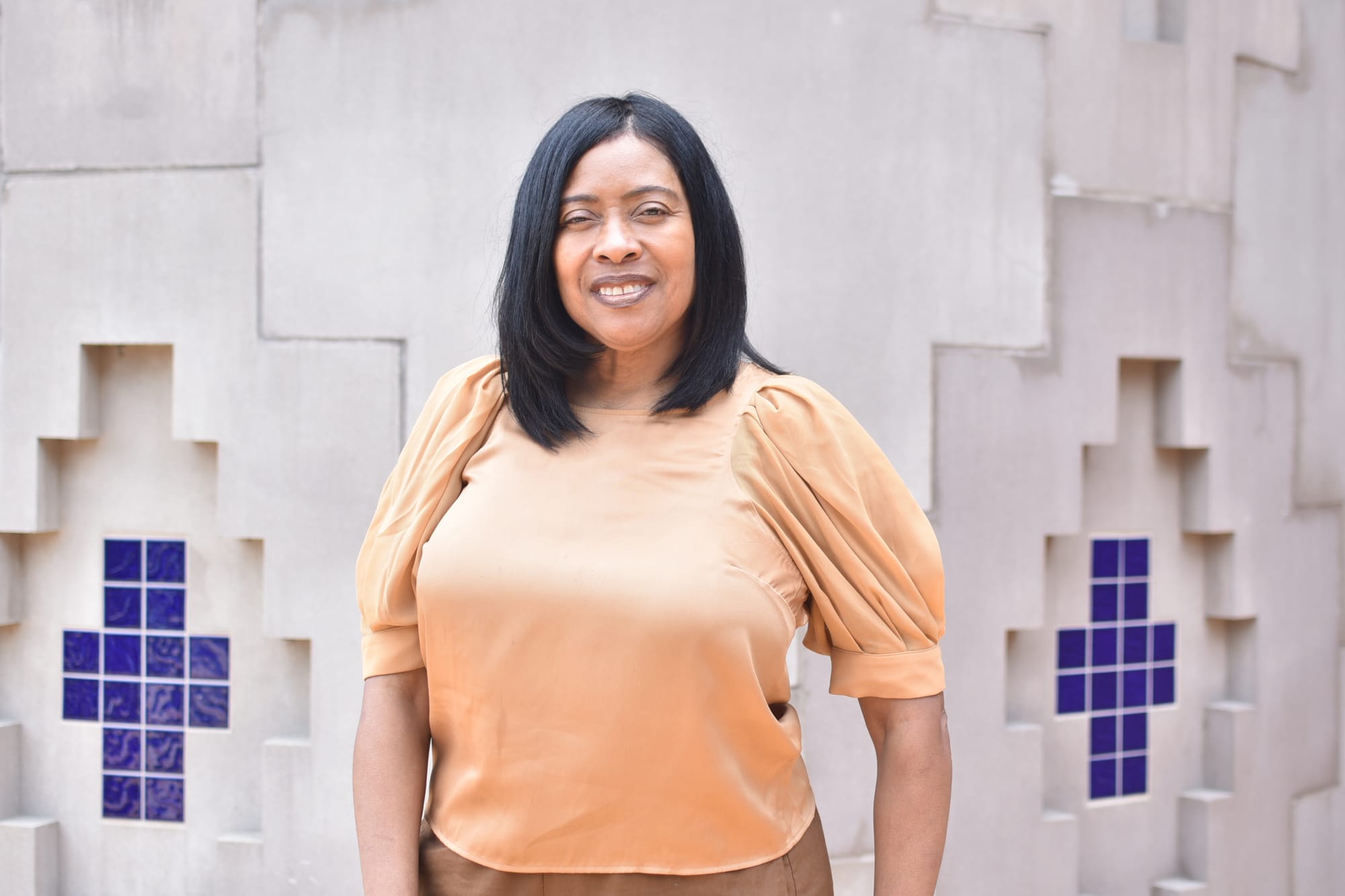
Jennifer Morris’ connection to Juneteenth stretches back to a moment in childhood on a North Dakota military base. “I can close my eyes now and see the food and hear the music,” she recalled, who now lives in Hanover, Md. “They had arts and crafts for us kids, but also storytelling about the Black experience in our country.”
An archivist for the Anacostia Community Museum, she’s spent years preserving the stories of local individuals, families, and communities that are often absent from traditional records.
For this year’s Juneteenth celebration at the museum, she’s most excited to share the Plummer Diary. Adam Francis Plummer, an enslaved man in Prince George’s County, began journaling in 1841. After his death in 1905, his daughter continued writing in the diary, creating a rare multigenerational record that documented births, deaths, marriages, and everyday life within the community.
Records like these demonstrate how families and communities experiencing historical changes can carry those memories forward. “Preserving those [records] in this community is really a privilege to me,” Morris said.
Justin Weaks, company artist at Woolly Mammoth Theatre Company
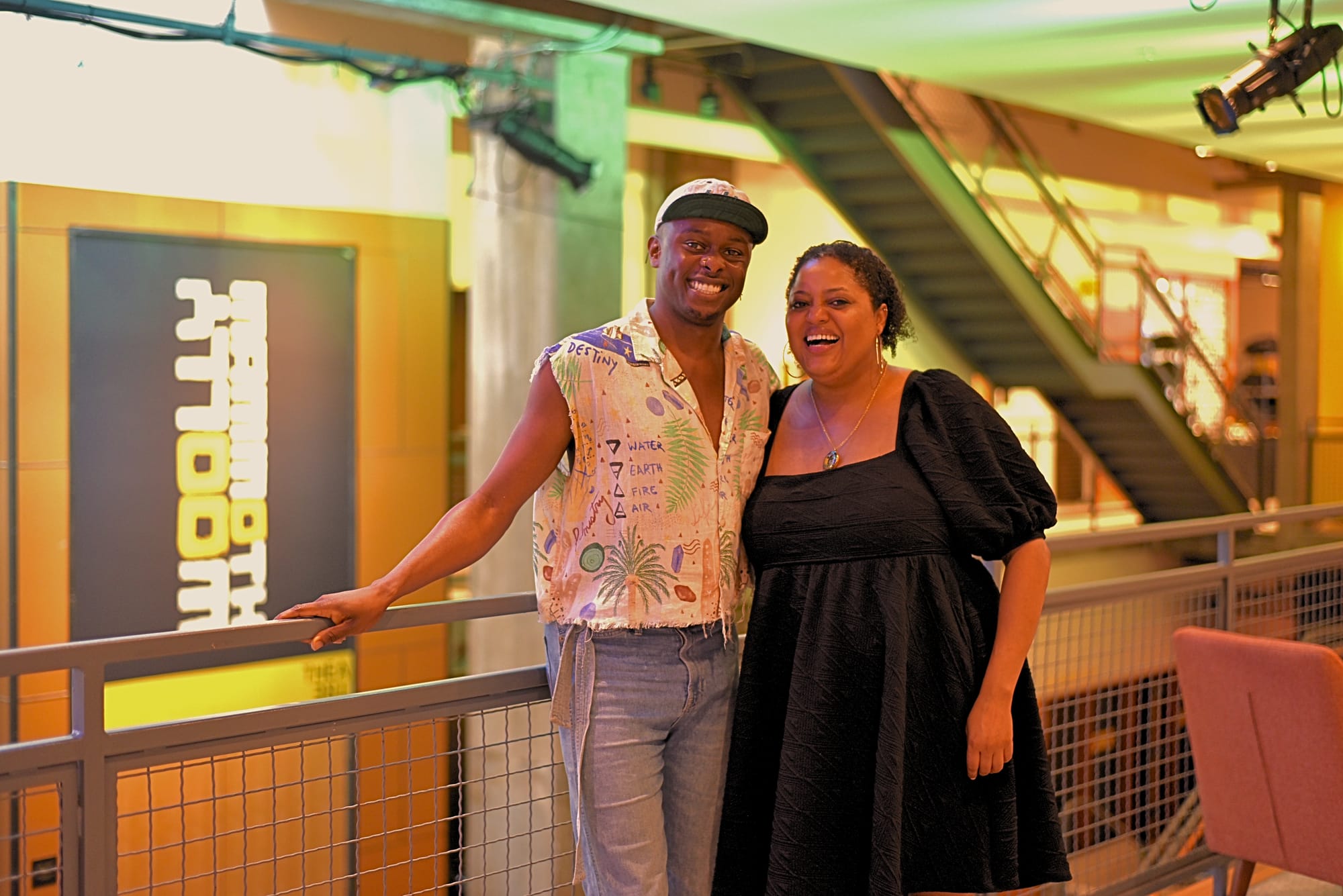
For Justin Weaks, Juneteenth exemplifies an ongoing pursuit of freedom for people like him. “It’s tiring, but the thing about Black people is we’ve learned how to triumph in the struggles,” said Weaks, 35, who lives in Petworth.
“I think about what the ancestors have been through and their ability to find joy in spite of all of that,” he said. “I think about the little ways in which we signal our freedom.”
An award-winning actor, Weaks is partnering with Woolly Mammoth on Juneteenth to host Black Joy Bounce, an event centered on movement, celebration, and collective liberation.
“It’s a different kind of gathering space during a time when gathering together and sharing ideas is a risk,” he said. “It’s risky to come into a space with people these days and have moments of shared intimacy with people you don’t know.”
Yet those moments, he argues, are exactly what people need: “To hear someone’s open-throated laugh and the freedom of that. The freedom to dance, be in your body in spite of the limitations. We find a way.”
Kristen Jackson, Associate Artistic Director and Director of Connectivity at Woolly Mammoth Theatre Company
Growing up in Washington, D.C., Kristen Jackson remembers her childhood home as a gathering place filled with Black professionals, friends, and family members who moved through the world with confidence and possibility. “They were unapologetically thriving,” she said.
Those early memories shaped her understanding of freedom, long before she encountered barriers faced by Black people during her travels outside of the District.
“I think sometimes I impose limitations on myself because that is how the world sees me and that is what the world communicates to us,” said Jackson, 44, who now lives in Greenway. “I yearn to go back to a time when I hadn’t internalized that.”
She’s countering those narratives by creating imaginative spaces like We the Woolly: Remixing 250, a monthlong series in July at Woolly Mammoth Theatre Company that will examine America’s 250th anniversary through the lens of marginalized communities. Rather than viewing the occasion as either a celebration or a condemnation, she sees it as an opportunity to spark conversations about history, belonging, and the future — themes she reflects on for Juneteenth.
“America 250 in and of itself doesn’t ring positive or negative,” Jackson said. “What matters to me is how we commemorate it, that we also use it as a moment to dream forward for what the next 250 could be. That means telling the truth about the nation’s history while remaining open to the possibility of a more equitable future.”
Charvis Campbell, founder of the Home Rule Music Festival
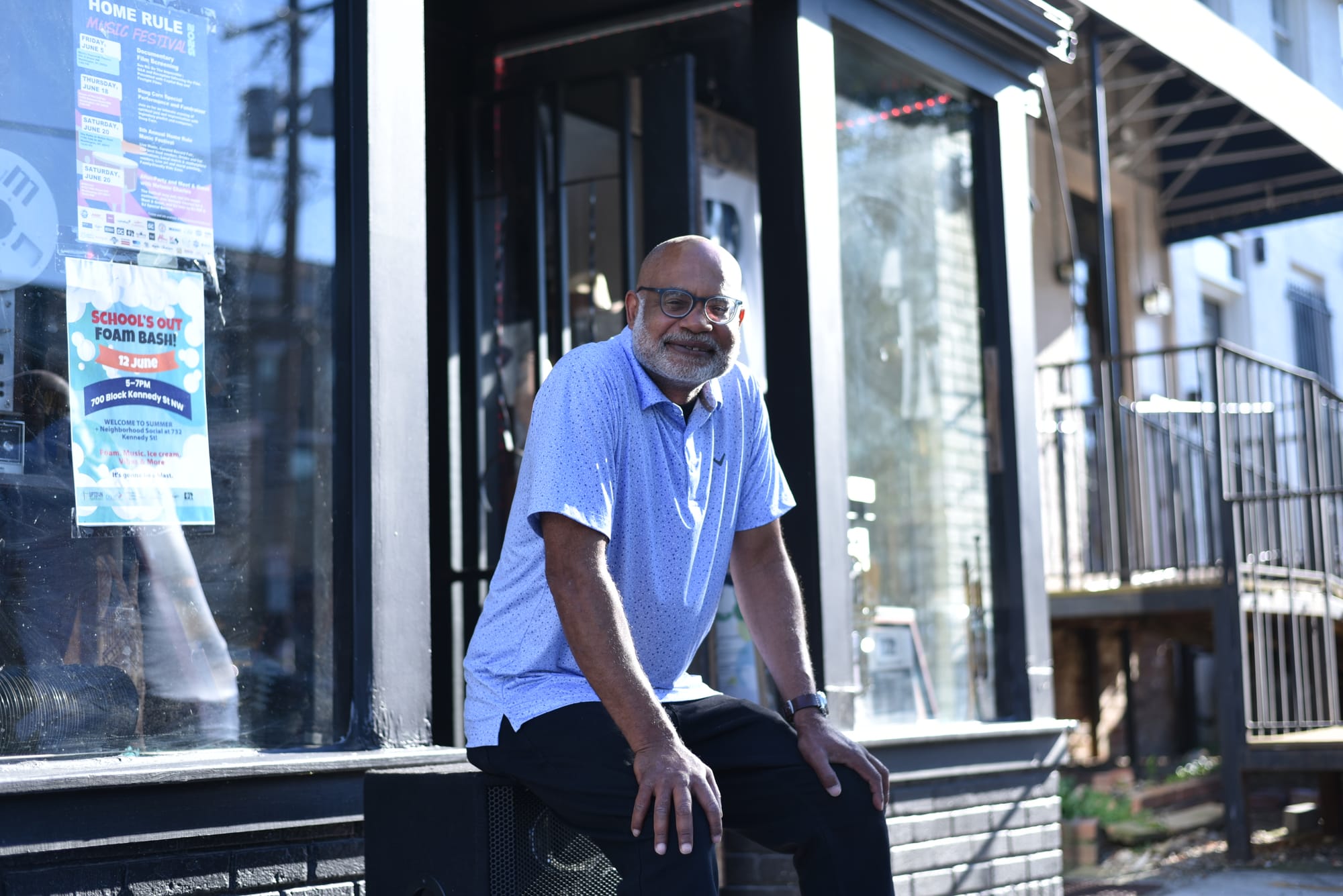
For Charvis Campbell, Juneteenth represents a tension between joy and struggle. “We celebrate how far we’ve come, but we also recognize the responsibility to keep pushing forward. If we ever stop doing that work, then we’re in real trouble,” he said.
Campbell, 53, who lives in Petworth, is the founder of the Home Rule Music Festival. The annual celebration of D.C.’s musical heritage that has become a gathering place for local artists, residents, and cultural stewards will take over the Parks at Walter Reed on Saturday, June 20.Now in its fifth year, Campbell sees the festival as an opportunity to shine a light on musicians who’ve helped define the city’s identity — particularly jazz and go-go artists.
The festival’s significance feels especially clear this year, he said, pointing to the displacement of the Smithsonian Folklife Festival from the National Mall amid the celebrations of America’s 250th anniversary. “That reality says a lot about the current moment and the importance of continuing to protect and preserve cultural traditions,” he said.