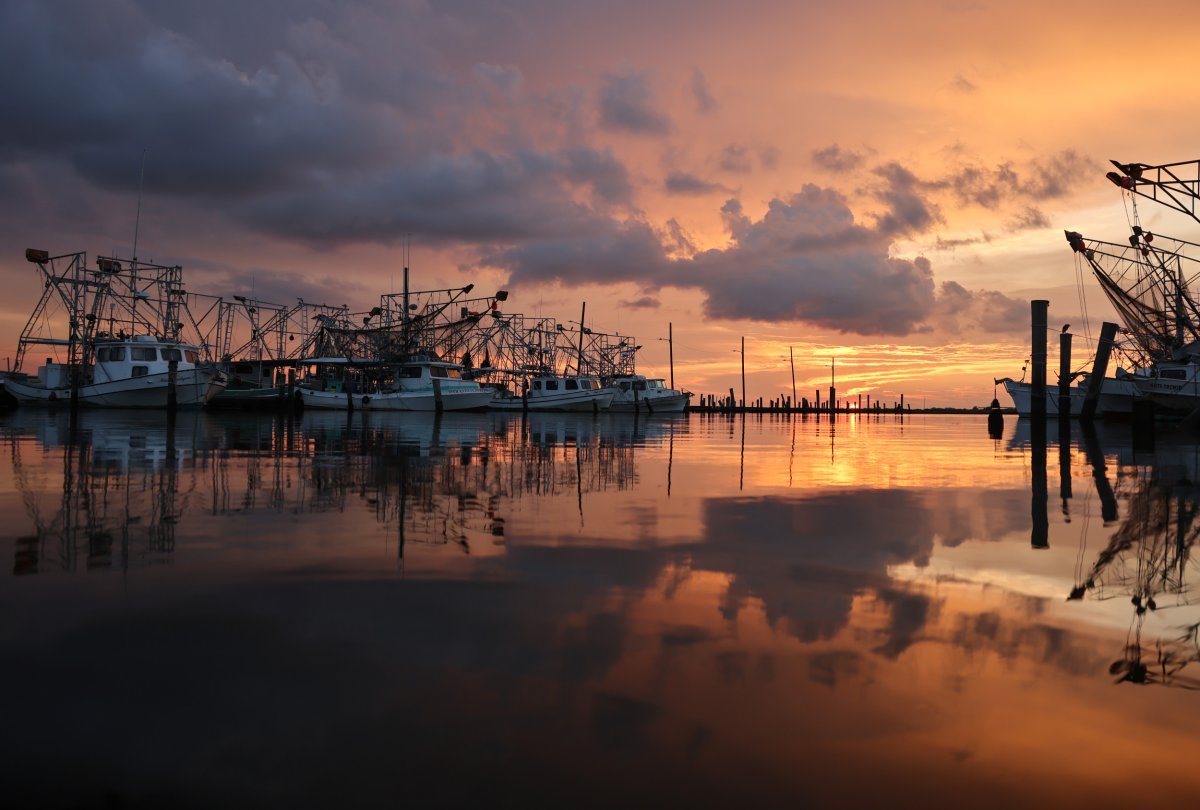
Today is the 20th anniversary of Hurricane Katrina, the Category 3 tropical cyclone that devastated the Gulf Coast, broke New Orleans’ poorly designed levees, and submerged about 80 percent of the city underwater, displacing over 1 million residents. With winds exceeding 160 mph, the storm was a natural disaster that hammered all communities in its wake. But poor infrastructure and pervasive inequality meant that African American neighborhoods suffered most of all. Government records show that four of the seven zip codes with the most extensive flood damage had a population that was 75 percent or more Black.
Just as Hurricane Katrina wiped out Black communities in the Gulf Coast, Black people in Detroit are currently experiencing a hurricane with no water. Since 2009, the local government has completed the property tax foreclosure process for one in three homes, displacing over 100,000 families. This is the highest number of property tax foreclosures in any American city since the Great Depression. Like hurricanes, property taxes hit everyone, and the detrimental consequences for Black people have been most severe.
Mario Tama/Getty Images
Just as the Army Corp. of Engineers failed to upkeep the levees, decimating New Orleans’ Lower Ninth Ward, research I conducted shows that, between 2009 and 2015, the city of Detroit inflated the values of up to 84 percent of its homes in violation of the Michigan Constitution, which states that no property can be assessed at more than 50 percent of its market value. My research also shows that, if not for the illegally inflated property tax assessments, 10 percent of all Detroit homes would not have completed the property tax foreclosure process, and 25 percent of its lowest valued homes.
Race is salient as it was with Hurricane Katrina. Another study that I conducted shows that majority Black cities in Wayne County—Detroit, Inkster, and Highland Park—experienced unconstitutional property tax assessments and property tax foreclosure at a much higher rate than its majority white cities.
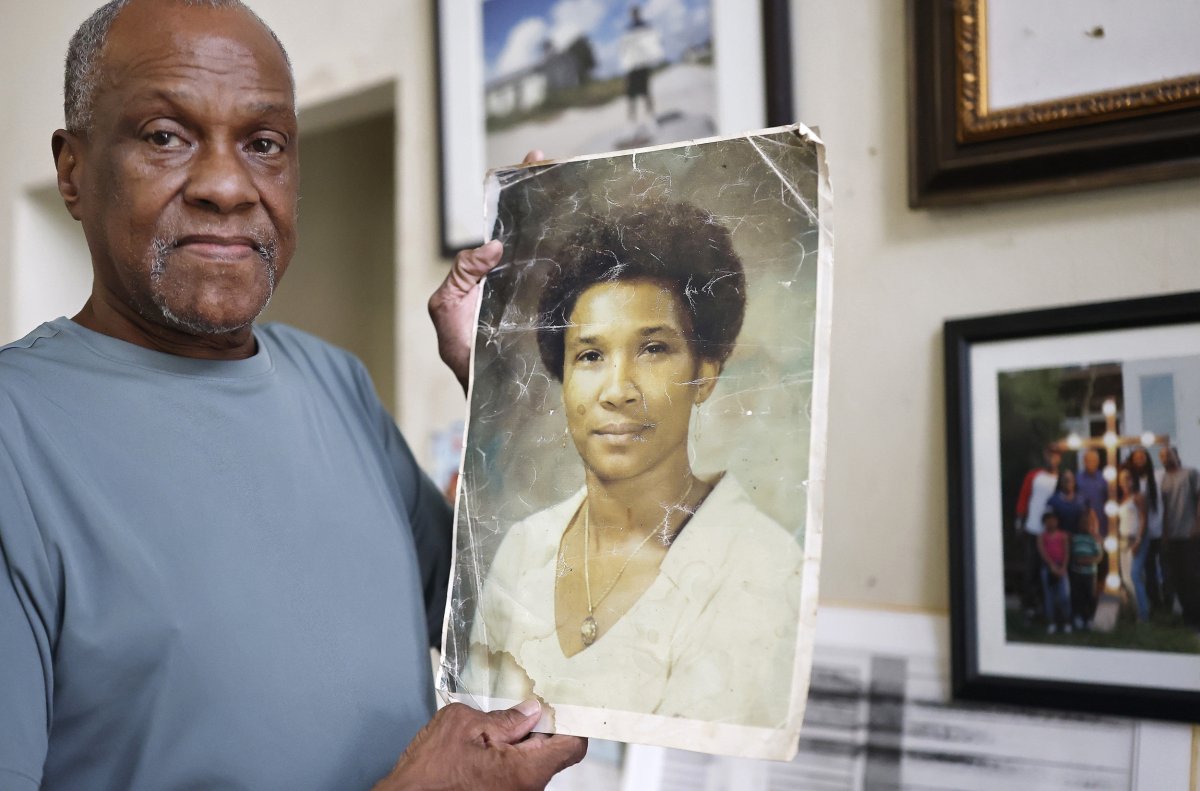
In my book, Plundered: How Racist Policies Undermine Black Homeownership in America, I tell the story of Myrisha Brown who inherited a home from her grandparents, sharecroppers from North Carolina who fled the South’s racial terrorism and came to Detroit during the Great Migration in search of employment and dignity. Despite racial covenants, redlining, urban renewal, and blockbusting, the Brown family managed to purchase their first home in 1950. In 1973, they upgraded to their dream home, which was located in a Detroit neighborhood that once excluded Blacks using racial covenants.
Mario Tama/Getty Images
Thirty-five years later, in 2008, Myrisha inherited her grandparents’ dream home. In the same year, the city of Detroit taxed Myrisha’s home—worth less than $10,000 because it had no functioning shower, tub, or heating system—as if it was worth $82,684 even though the median home sale value in a three-block radius was $12,000. Myrisha couldn’t afford the illegally inflated property tax bills and fell behind. Adding insult to injury, Michigan counties levy a statutorily mandated 18 percent interest penalty on delinquent property tax bills, making it almost impossible for Myrisha and other struggling homeowners to dig themselves out of debt. In 2016, the local government foreclosed on and confiscated Myrisha’s inheritance.
As troubling as Myrisha’s story is, it is not uncommon. A national study shows that, on average, Black and Hispanic homeowners pay a 10 to 13 percent higher property tax burden than white homeowners for the same bundle of public services, which amounts to $300 to $400 more per year. With its Black population reaching nearly 80 percent, Detroit is ground zero for this national injustice.
The good news is that the Dignity Restoration Project (DRP) is paving the road to repair. DRP seeks to raise $10 million to compensate Detroit homeowners who lost their homes for failure to pay illegally inflated property taxes that they were exempt from paying. This fall, the DRP plans to distribute its first round of compensation. Just as New Orleans has spent the last 20 years on the road to recovery, DRP is working to reckon with Detroit’s tidal wave of unjust property tax foreclosures and chart a path toward repair.
Today, while we honor all the lives lost and people displaced due to Hurricane Katrina, we should likewise acknowledge the displacement and dispossession taking place in Detroit—a dehydrated yet devastating hurricane that no one is really talking about.
Bernadette Atuahene is the Frances R. and John J. Duggan professor at the University of Southern California (USC) Gould School of Law, the executive director of the Institute for Law and Organizing, and the author of Plundered: How Racist Policies Undermine Black Homeownership in America.
The views expressed in this document are the writer’s own.