

Whether intentional or unintentional, researchers at History Colorado found harm due to systemic racism exists today against Black Coloradans.
DENVER — Colorado Senate President James Coleman said conversations around how Colorado systems and policies have continued to harm Black Coloradans began even before he and Reps. Leslie Herod and Naquetta Ricks co-sponsored Senate Bill 24-53.
When the bill became law, it created the Black Coloradan Racial Equity Study Commission. The commission works with a research team at History Colorado to conduct the first chronological study of 165 years of harm experienced by Black Coloradans, examining the legacy of slavery and systemic racism and how state-supported policies and practices have shaped access to opportunity.
“This bill is really set out to think through all the ways we can confront and shed light on the past and what we can do to address the harm in these legacies of slavery, racial discrimination and systems of racism that have harmed Black Coloradans and continue to harm Black Coloradans,” History Colorado CEO Dawn DiPrince said in the commission’s first meeting.
The 14-member Colorado Racial Equity Commission officially began Sept. 6 after securing $785,000 in public funding. As of 2026, community donations have taken the study’s budget to more than $1 million.

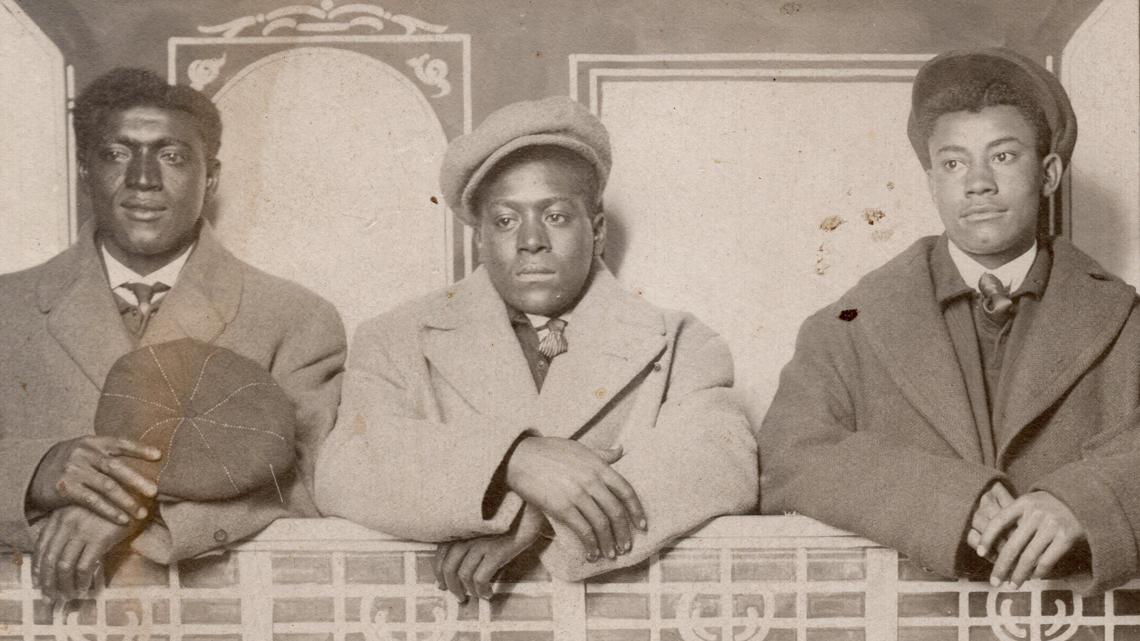
Chloé Duplessis, program manager for the study, said the work calls for racial justice following the murder of George Floyd.
“We’re hoping this will be the textbook we all deserved, but never had,” Duplessis said.
The research is organized around four core areas centered on access: wealth, health care, education and justice.
“I think we can all get behind this notion that everyone deserves to have quality of life,” Duplessis said. “And that is largely managed by your access.”
She said the study is examining how barriers to access appear in everyday life, from applying for a loan or a job to workplace treatment.
“When you talk in terms of everyday life — sleeping safely through the night, getting up, moving throughout your day, applying for loan, accessing work opportunities, being granted the interview, being given the promotion, honored at work, going through the day without microaggressions or having people speak down to you or having people police how you wear your hair,” Duplessis said. “When you are not having these experiences, it’s important to note that everyday millions of people are.”
The study also addresses questions about whether discrimination persists in more subtle forms.
“It’s not a Jim Crow sign, it’s sifting through resumes and seeing your name spelled a certain way,” Duplessis said. “Did that really happen? Was there a discrimination? Is that still a thing? And of course, for people of color who are tuned in, like yeah it’s still a thing. Privilege is still very much a thing.”

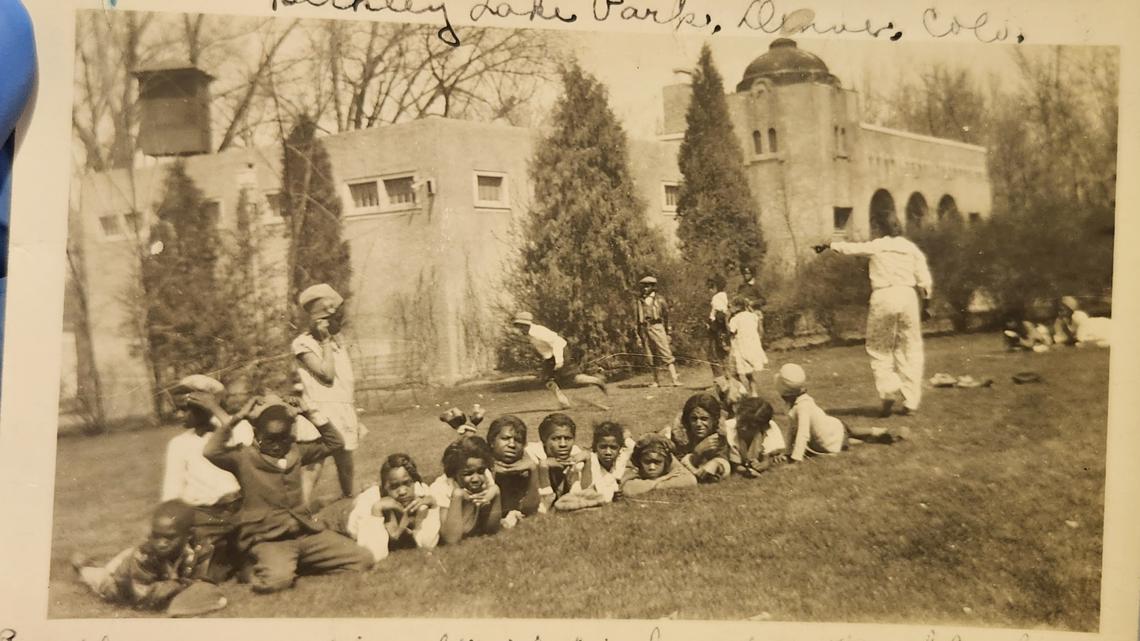
Researchers confirmed within the first three weeks of work that enslavement existed in Colorado. Duplessis said Colorado was founded by people from slaveholding or slave-trading states.
“Is it so far-fetched to think that there would be a framework, energy, ideology that views Black people as less than, and wants to create systems to reinforce or support this notion, if people who are founding the state are coming from places where this is their norm? We don’t think so,” she said.
The team has spent about a year compiling research materials, including books on Five Points, Dearfield and the history of building capacity in the Black community, as well as national scholarship. One of the senior researchers, Dr. Scott Spillman, authored a book on early American history and slavery. Duplessis said slavery as a system “bankrolled” the United States and Colorado.
Researchers are reviewing archival documents, presenting regular updates to the commission and conducting oral histories. At least 20 oral histories have been completed so far. The oral histories will be published along with the report once the study is completed. Oral histories are open to Black Coloradans.
Community listening sessions have been held in Pueblo and Denver, with additional sessions planned in Durango, Boulder and Colorado Springs:
An online survey launching this month will invite Black Coloradans to document their experiences and will remain live through March as part of the study data.

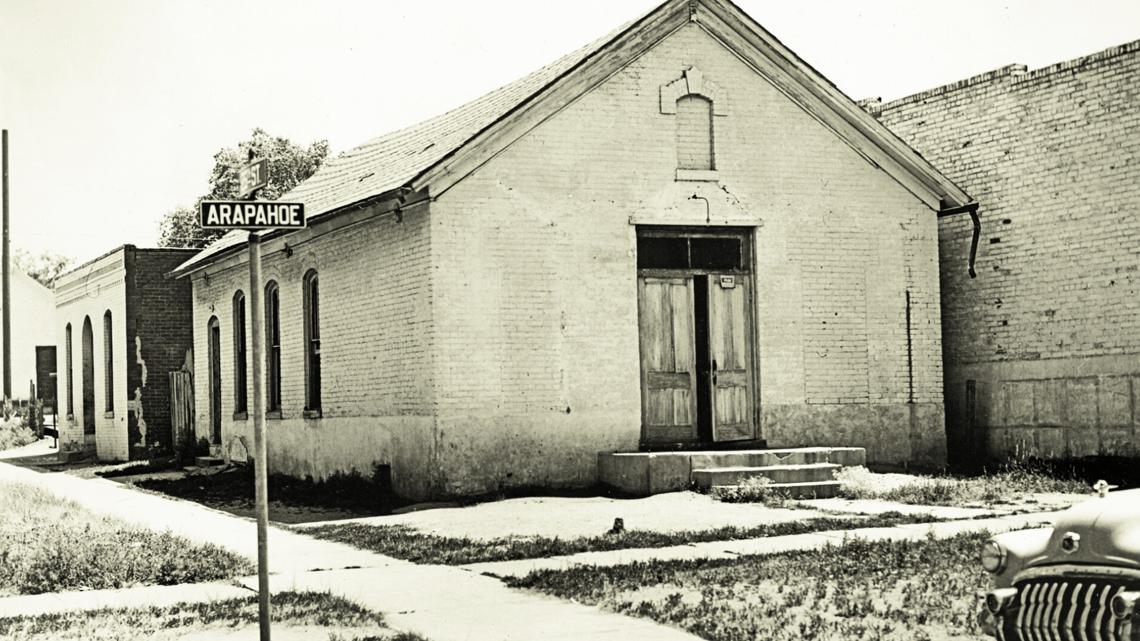
Colorado is among a small number of states that have undertaken similar efforts. California’s approach has focused more heavily on policy proposals, while New York signed related legislation into law in 2023. Duplessis said Colorado’s work is unique in centering on a historical investigation intended to serve as a foundation for future action.
“Now that we’re clear they existed, let’s talk about how we can intentionally create systems of repair and support,” she said.
“When we give voice to the things that have harmed us,” Duplessis said, “we create an opportunity for healing and push the harm to a space to discuss it, take accountability for it and hopefully create a program for repair and policy.”
The commission collaborates with History Colorado on study direction, provides feedback, helps determine where to host community listening sessions, selects economic analysis contractors and ultimately provides recommendations to the governor at the end of the study.
Under the structure, the commission has three years to complete its work. The research study itself spans two and a half years. Once the historical study concludes, a separate economic analysis must be completed within six months.

:max_bytes(150000):strip_icc():focal(748x441:750x443)/Melania-Trump-Inauguration-anniversary-012026-tout-398ed880e4864a72a0ed5cb3d3d62a06.jpg?w=480&resize=480,360&ssl=1 "Melania Trump Shares B&W Photos to Mark Donald’s Inauguration Anniversary")


