

Adam Mahoney, Capital B
Residents proved their tap water carries sewage and bacteria. Federal funding dried up anyway.
CAHOKIA HEIGHTS, Illinois — For most people, a glass of water and a rainy day are harmless, even comforting. For Earlie Fuse, they are a haunting reminder.
When the forecast calls for storms in southern Illinois, he knows to brace for the possibility that his block will turn into a lake again, cutting him off from the road and swallowing the basement he has rebuilt over and over.
The first time the water came for his house in 1993, he remembers opening the back door before dawn, lunch packed for his early morning shift at an auto garage, and stepping into a brown sheet of water that reached his car’s windows.
He was already in his 50s then; in his 60s, he would realize that water seeping into his home was full of sewage.
At 85, he has watched that same flood creep back again and again, chewing through five basement walls, seven hot water tanks, five furnaces, and the bathroom tiles and tub that threatened to sink through soggy floorboards.
“I’m the first one that gets flooded out and the last one for the water to leave,” he said, standing on his mold-stained floors while looking down at his flooded basement the night after a short rain storm in April. “At this point I’ve stopped trying to repair things.”
In Cahokia Heights, where the average person makes about $20,000 annually and the typical home is worth less than $45,000, Fuse estimates he has spent nearly $200,000 on repairs since the first flood.
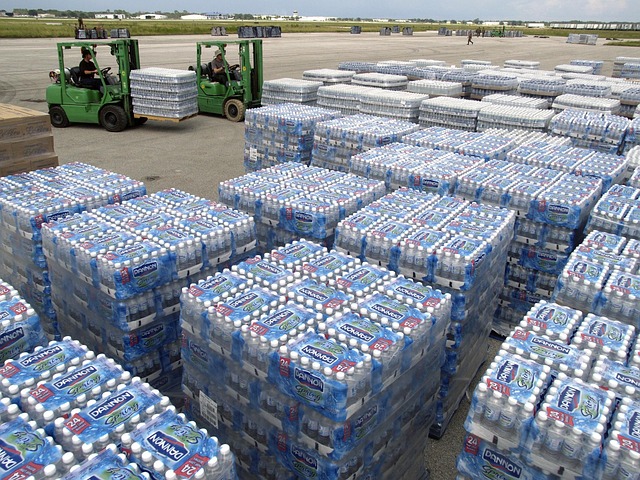
When he turns on the tap, the murky stream looks eerily similar to the water pooling around him. Recent tests showed remnants of sewage and human waste flowed through his tap. Plastic water bottles have become his most constant companion.
“The city and county has always known, but as far as they were concerned, until we got an attorney and did all this, we didn’t matter,” Fuse said about his community, which is over 70% Black. St. Clair County, where the town is located, is 60% white.
The Illinois EPA has documented hazardous sewage contamination in the area since at least 1989.
Now, as federal agencies closed out funding orders for the town this year and the Trump administration cut programs that were supposed to steer Clean Water Act money to places like this, the prospect of change feels out of reach for some residents.
Adam Mahoney details the physical and mental health impact on the community.
Stories like this remind us that residents Flint, Michigan are experiencing health issues more than a decade after the water crisis.
More news like this.


