Residents of Weed, California, are racing to preserve the history of one of the state’s oldest Black communities after a wildfire destroyed much of the neighborhood in 2022.
The Lincoln Heights neighborhood, established during the Great Migration, was home to Black families who came to Weed in the early 20th century seeking work in the lumber industry. Many settled in a segregated area once known as “The Quarters.”
The urgency of preserving that history intensified after the 2022 Mill Fire destroyed nearly three-quarters of the neighborhood.
“It really tore apart the community,” said Mark Oliver, a filmmaker and historian who co-produced a documentary about the area. “I think our project is kind of a now-or-never project.”
A CAL FIRE investigation found the fire originated on property owned by Roseburg Forest Products.
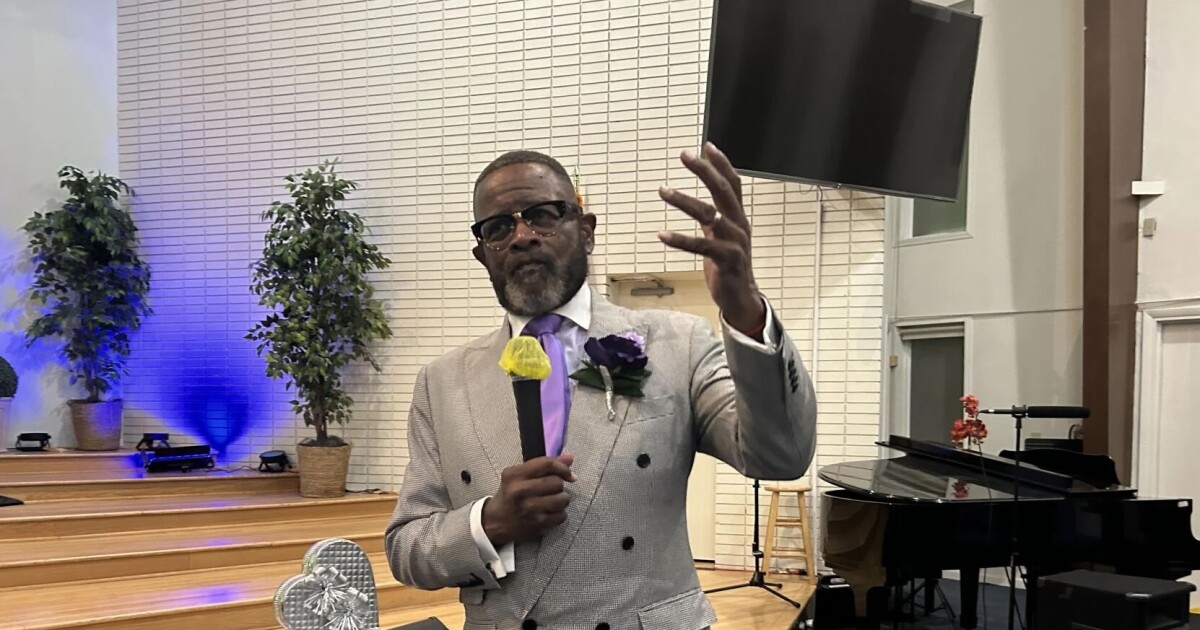
Today, residents and historians, including former educator James Langford, are working through the Lincoln Heights Legacy Project to preserve the community’s history and create a museum and cultural center.
Langford, who became Weed’s first Black teacher in 1974, said the neighborhood’s original name reflected the segregation Black residents faced.
“If your place is called a quarter, that’s a negative,” Langford said. “That’s where slaves were kept.”
In the 1960s, local activists successfully pushed to rename the neighborhood Lincoln Heights, honoring President Abraham Lincoln and reflecting what Langford described as the community’s identity as “a liberated people.”

The proposed Lincoln Heights Museum and Cultural Center is intended to serve as more than a historical archive. Langford said he hopes it will become a gathering place that encourages travelers to leave Interstate 5 and engage with the community’s history.
“I want it to be a living cultural center,” Langford said. “I don’t want a lot of static displays of past relics.”
The project recently received national support through Fieldwork, an initiative that provides architectural and strategic assistance to rural communities.
Organizers also hope to preserve the legacy of the 1966 civil rights demonstrations organized by the Congress of Racial Equality and document the stories of the families who helped build the town.
Guests
- Mark Oliver, board member, Lincoln Heights Legacy Project
- James Langford, Lincoln Heights Legacy Project