West Palm Beach approved a land transfer that could shape the future of Coleman Park, the historic Black neighborhood that has long faced economic challenges and vacant properties.
City commissioners voted unanimously, 5-0, this week to support a public-private partnership with Palm Beach Venture Philanthropy, a division of the philanthropic non-profit Quantum Foundation.
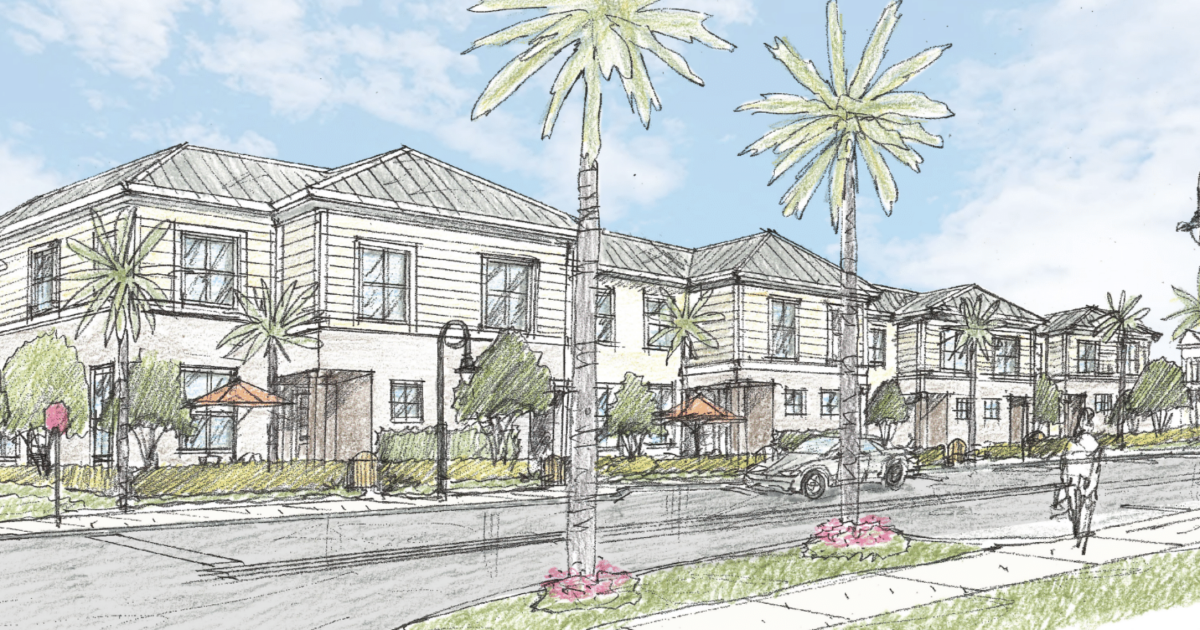
The effort aims to revitalize distressed parts of the Colman Park neighborhood and within the Tamarind Avenue corridor, with three affordable and workforce housing projects, along with other community investments, said Bill Meyer, chairman of the Quantum board and one of its original founders.
“We think it will continue to set the tone for affordability and reverse 100 years of discrimination that’s taken place in Coleman Park,” Meyer told WLRN.
Quantum is a 30-year-old organization working to improve physical, socioeconomic conditions in Palm Beach County’s underinvested communities.
”We don’t wanna gentrify the neighborhood. We wanna make it a neighborhood where people can feel proud and can afford to live there.”
Racial inequities in housing persist according to a first-of-its-kind study on racial inequities in homeownership in Palm Beach County. It has hurt the economic growth of the area as a whole.
The city is conveying four city-owned parcels to Palm Beach Venture Philanthropy at no cost. It includes “reverter protections,” which means the land could return to the city if project milestones aren’t met.
READ MORE: Racial inequities in housing persist in Palm Beach. New study seeks to address it
Raphael Clemente, executive director of Palm Beach Venture Philanthropy, told commissioners he will return to the commission with a construction site plan for approval within 18 months, followed by several months for permitting and financing before breaking ground.
Clemente said the organization plans to “scale it’s model county-wide,” guided by Persistent Poverty Census Tracts that pinpoints “neighborhoods where greater than 20% of its population has been in poverty over the past 30 years,” according to his presentation.
Those populations include areas in Lake Park, Schall Circle, West Gate, Lake Worth Beach, Riviera Beach, Delray Beach, Canal Point, Pahokee, Belle Glade, and South Bay.
From redlining to greenlining
“We’ve adopted the term ‘greenlining’ to focus policy, investment, and programs to undo the harms done a hundred years ago,” Clemente said.
That’s the organization’s counter to historic redlining, which describes the discriminatory housing practice that U.S. banks and government-backed lenders used to deny mortgages and other financial services to Black-majority neighborhoods.
The nonprofit said they’ve already invested nearly $9 million in Coleman Park projects, such as affordable housing, health and building preservation efforts.
Community investments includes a $500,000 contribution to support the planned African-American Museum and Research Library at the former Roosevelt High School site in Coleman Park.

Palm Beach Venture Philanthropy
Future plans for Coleman Park will include two homeownership developments, one mixed-used rental development, a fresh market offering much-needed healthy food options, shared office spaces, and a cultural yard.
The community gathering space is anchored by the Taylor Moxey Library, founded by South Florida native Taylor Moxey, a literacy project that uses repurposed shipping containers as library spaces for children and families.
The mobile library, situated outside next to the Phyllis Wheatley Library, was delivered on the day of the meeting. Moxey told WLRN it serves as a educational third space for the youth in the community.
“Everyone needs a book. I think its important especially now in the age of cellphones and social media,” said the 20-year-old Moxey. “Get them back into the beautiful habit of reading.”
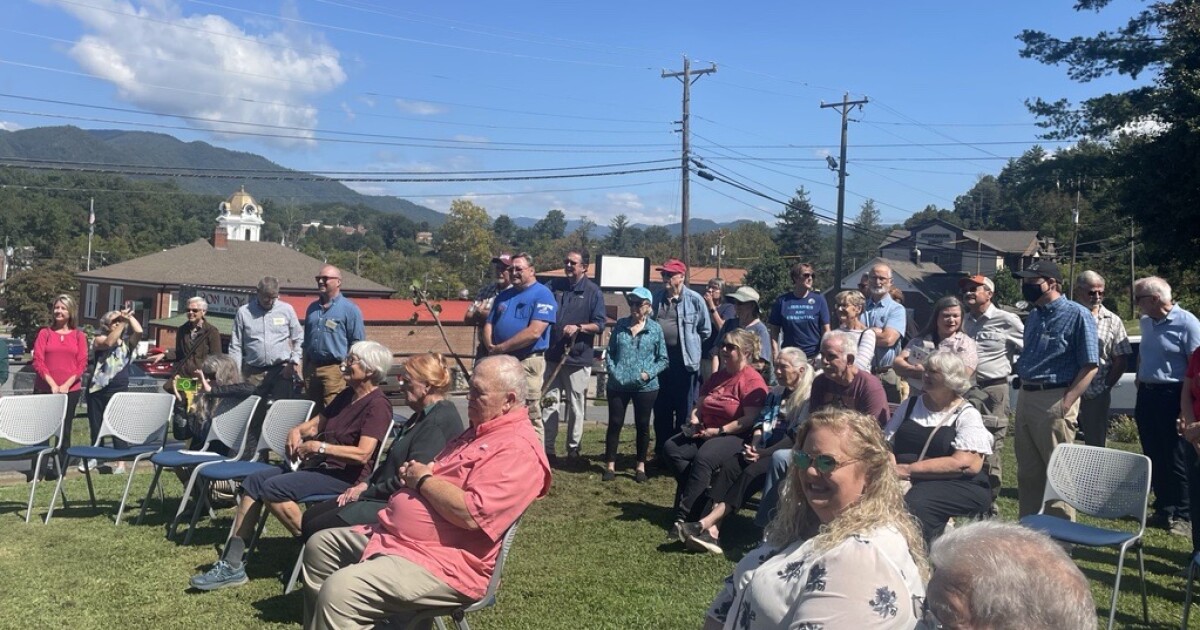
More than a dozen supporters of the projects at the commission wore shirts that read “Coleman Park United” while expressing long-held concerns about gentrification.
“You cannot govern a neighborhood without the people that live there,” Lacandis Reid, a member of the community told WLRN.
“There’s no way for that to happen. In order for it to be successful, it needs the government and the residents that live there, because we all play a part.”