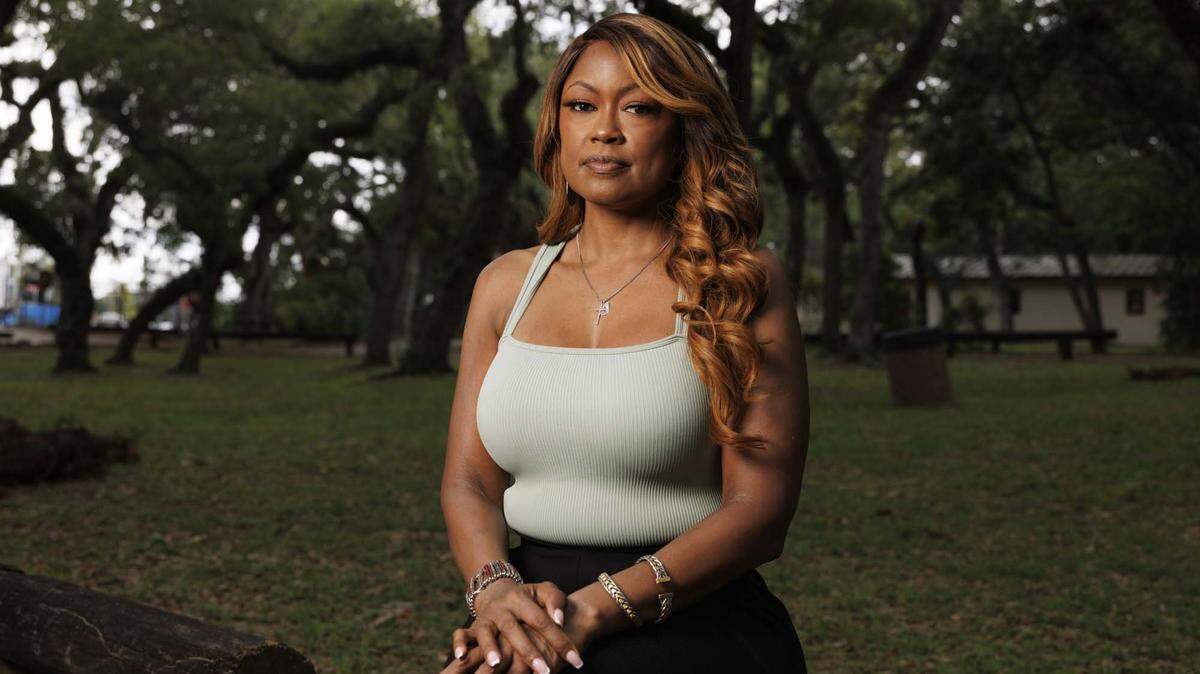
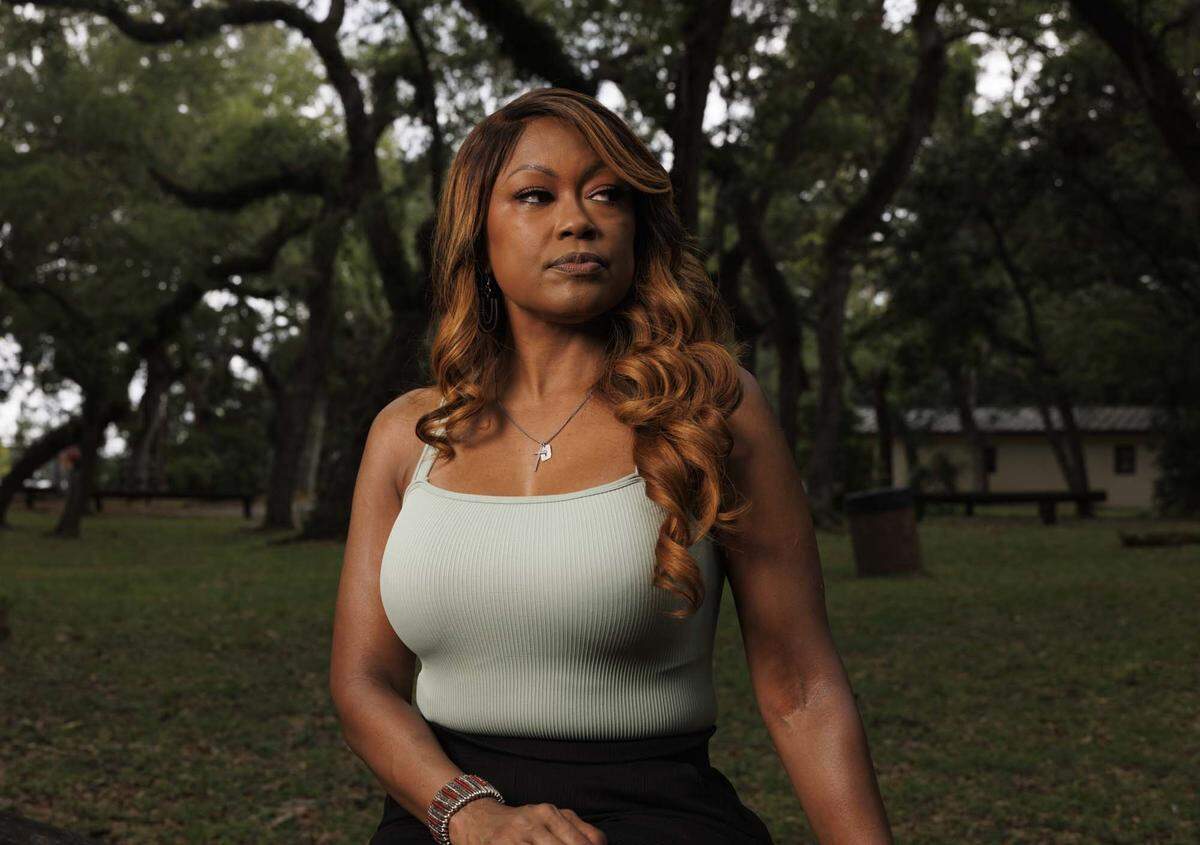
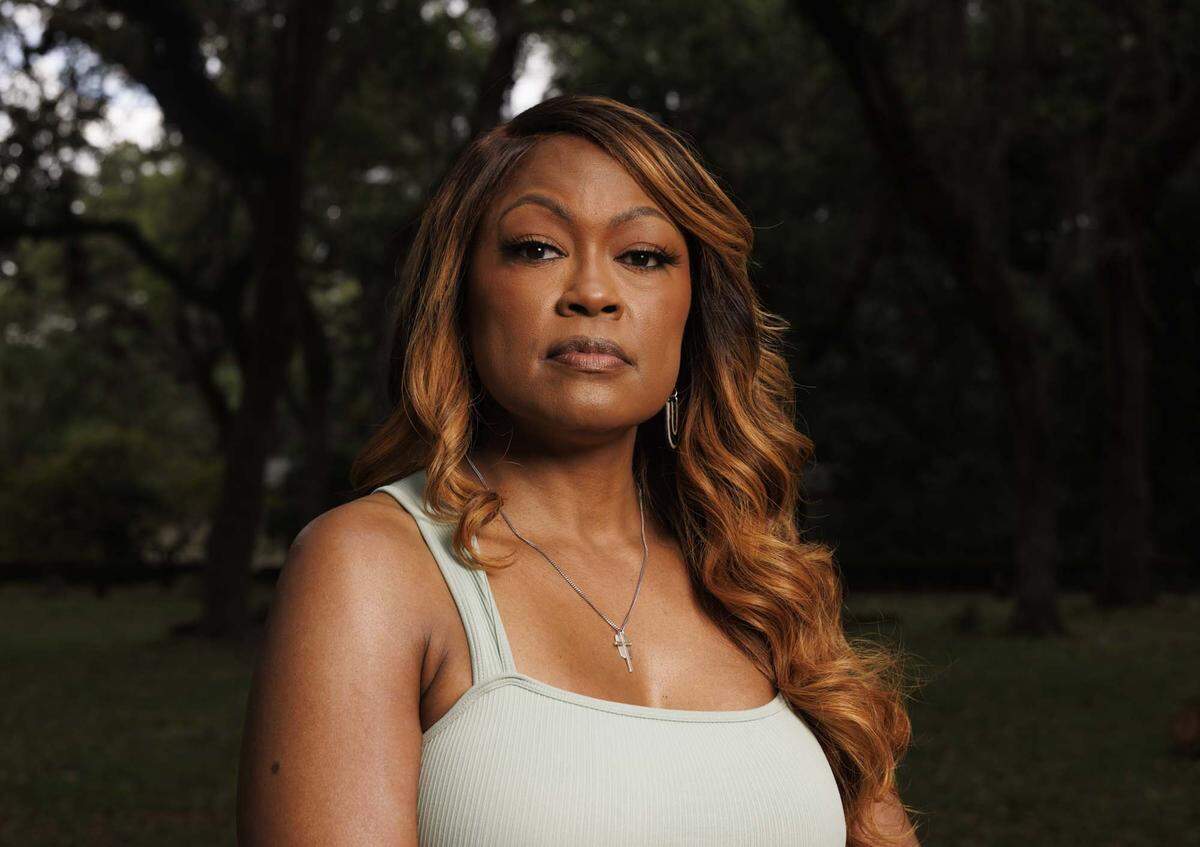
Cindy Doucet, known as SupaCindy, says the recent stories of Black women killed by their partners has made her reflect on her own story of abuse, and how she got away from her abuser.
askowronski@miamiherald.com
The recent news reports of Black women being killed by their partners has brought back a flood of memories for Cindy Doucet.
The Miami radio personality, known for years as SupaCindy to listeners of 99 Jamz, knows how hard it is to leave an abusive relationship. For eight years, she was with a partner who was both physically and emotionally abusive, she said.
“Many days when I left work I’d be afraid to go home, and I would just sit in a Target parking lot or go walk around Marshalls to kill time,” she told the Herald. “Suffering in silence is the worst thing because in front of everybody, you’re smiling, and in my position, it was my escape to be at work, to be in at a public event, forgetting my reality.”
Had Doucet not left, she thinks she could have been among the number of prominent Black women killed by their partners.
Throughout April, several such murders occurred. They include well-known dentist Cerina Fairfax in Virginia, Shaneiqua Pugh along with eight children in Louisiana, influencer Ashlee Jenae, killed on a trip to Zanzibar with her fiancee. The case that hit close to home, though, was the death of Coral Springs Vice Mayor Nancy Metayer, whose husband stands accused of shooting her to death in their bed.
The highly publicized deaths of several Black women at the hands of their partners has sparked a national conversation about Black femicide. The term refers to the intentional killing of Black women and girls rooted in misogyny which most often occurs at the hands of their intimate partners. The term gained traction in national conversations during the early part of the decade, when news outlets began to sound alarm on the issue, and when Arkansas nurse Rosalind Page, founded The Black Femicide Protection Coalition (formerly Black Femicide US) to bring awareness to the disproportionate number of murders of Black women and girls.
Doucet said she didn’t know Metayer or Fairfax or the countless other women who died within weeks of each other in April. But their deaths forced her to reflect on her own life: “Why am I still alive? Because that could have been my story,” she said.
A 2025 study published by the Journal of Racial and Ethnic Health Disparities revealed Black femicide is a major public health concern. Black women are at an increased risk for intimate partner homicide when compared to white women. Using homicide data in the United States from 2020, the study showed that 56% of Black women who were victims of homicide were killed by an intimate partner. Black women are victims of intimate partner firearm homicide at a more than triple the rate of white women, according to independent think tank Everytown Research and Police.
Locally, the death of Nancy Metayer allegedly at the hands of her husband Steven Bowen has sparked conversations about domestic abuse in the Caribbean community and towards Black women who achieve certain levels of success in their careers. Considered a rising star in South Florida politics and among Haitian Americans, few have publicly speculated about the why of her death. Coral Springs police did say they were investigating her death as a domestic violence incident, however.
Bowen, who faces a premeditated murder charge, is accused of shooting Metayer three times.
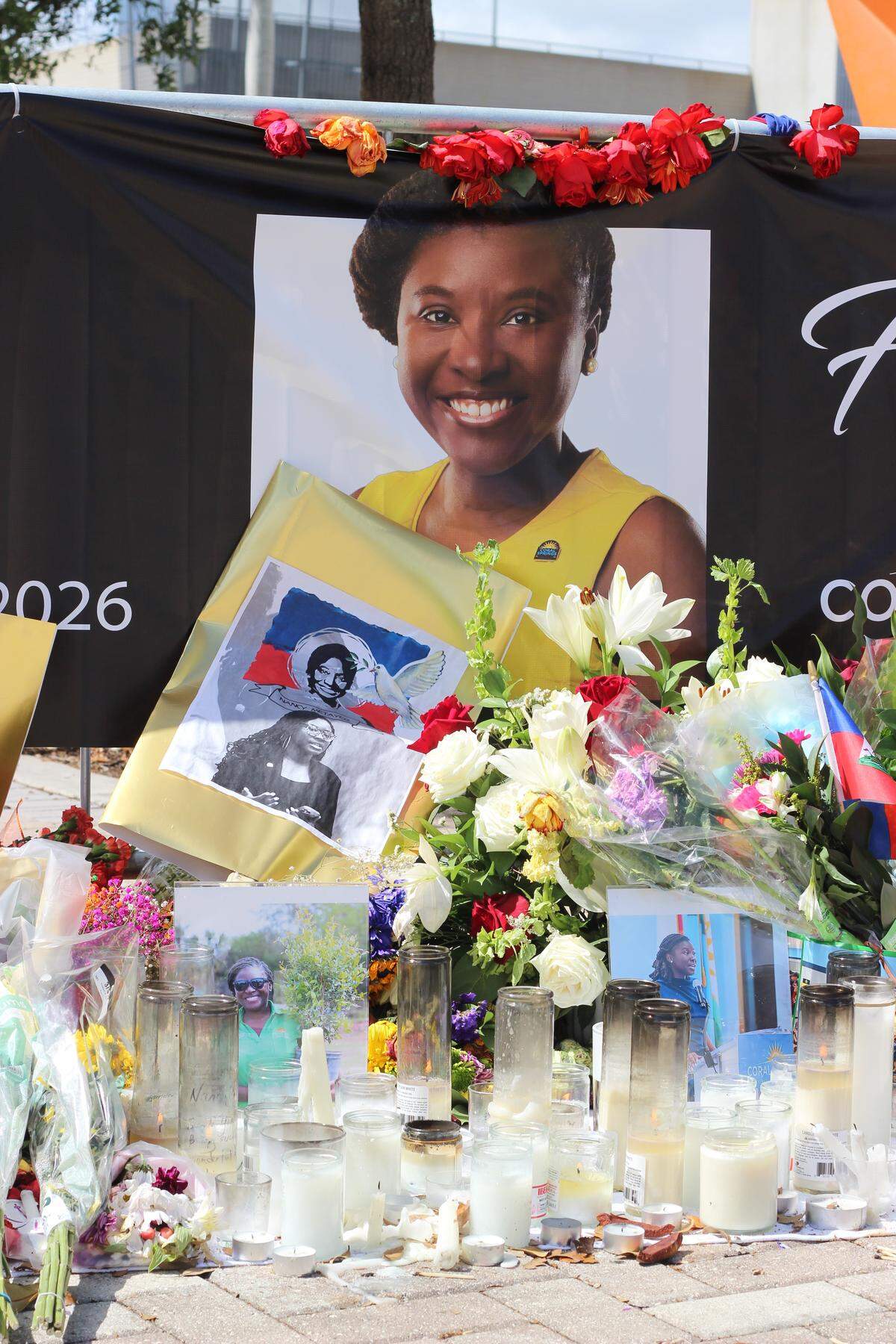
Metayer’s immediate family has not made public statements regarding domestic abuse. A cousin, Arie Laura Metayer, did post a message on social media that was a warning to others who may not see the red flags about people they trust.
“May God reveal to you any unfriendly friend or wolf in sheep’s clothing around you. May you have the discernment to see people for who they truly are – not who they pretend to be,” she wrote. “May you protect yourself and your life from those who carry envy, jealousy, and darkness disguised as love. Nancy deserved protection, safety, and a life to live. Yet even still, she managed to find this in glory beyond this earth.”
Domestic violence in the Caribbean community
Last month, Whenda “Wanda” Tima, co-founder of L’Union Suite, a social media platform for Haitian Americans, hosted a panel discussion that featured Doucet after hearing about several Black femicides locally and in Haiti. The panel had been in the works prior to Metayer’s death, and no reference was made to Metayer’s case during the event, but Tima felt even more urgency to “get it right.”
“That story shook us,” she said. “I felt like I had a bigger responsibility to have that conversation…more importantly that we cover the right basis and topics.”
Tima said the event opened up the eyes of many attendees about domestic violence, a conversation that is typically hushed in Caribbean households. “You’re not really supposed to talk about these ugly things that happen outside [of the home], because Caribbean families, especially Caribbean women, especially the ones that are considered strong and bold… don’t want anyone to know that there’s anything ugly going on inside of your house,” she said.
“You’re not talking about anything that’s ugly to hurt the family’s name,” Tima continued. “The family’s name is always a big thing.”
Data from 2019 indicates that 40% of women across the Caribbean experienced intimate partner violence, according to National Sexual Violence Resource Center. According to the Centers for Disease Control, in the United States about 23% of women experienced physical violence from a domestic partner.
The culture of silence around domestic abuse in the Caribbean is why the rates are so high, said Tania Guerrier, a South Florida-based psychiatric mental health nurse practitioner and cognitive behavioral therapist. She said many of her clients are islanders and that domestic abuse in Caribbean cultures is often normalized or minimized. “Depending on where you are from, in Haiti, if a man doesn’t beat you, he doesn’t love you,” she told the Herald.

Guerrier said that mindset has had generational effects on Caribbean communities. “So, hearing that as a young woman growing up, if you’re ever placed in that situation, you see that as love,” she said.
Afraid she would ‘lose everything’
Several of the Black women that died recently were notably successful, particularly Metayer who was reportedly going to announce her candidacy for Congress the day she was found in her home.
Successful women often fall prey to narcissistic individuals, said Guerrier. In many cases, she said, they approach women with flattery. “They project themselves as something that they’re not, and they get these women to a place of vulnerability to the point where they can earn their trust,” she said. “And then, once the guard comes down, slowly but surely, the abuse starts. Usually, it starts with critiques. It starts as an emotional or psychological thing.”
Doucet, who has had a long career as a respected media personality, echoed that sentiment and noted that there were small ways in which her abuser chipped at her esteem, such as convincing her that people said negative remarks about her. “He worked on me mentally first and was chiseling away at every aspect of who Cindy Doucet was,” she said.
Guerrier said it also becomes challenging for public-facing women to leave and tell their family because of the shame they’ve experienced living with abuse.
Tima and Guerrier both said that often the assumption in cases of abuse and femicide is that the woman provoked the man. Doucet’s situation was no exception, she said, and in some ways contributed to why she hadn’t gone public with the abuse. “I felt like if I spoke out, not only would I lose everything, but I would also not be believed or understood,” she said, adding her abuser also alienated her from social circles.
That is why it is important for people in situations of domestic violence to get help, says Guerrier.
“Support these individuals, because it’s hard enough already accepting that you failed in a particular area in your life after you fought so hard to be successful,” Guerrier said. “A lot of the times these women, they conceal this pain and the abuse because they don’t want the criticism. They’re afraid.”
Doucet said leaving was just as hard as staying. She only was able to leave once her abuser attacked her in public. Doucet said she didn’t tell her family or her therapist at the time about her abuse. But once she left, she sought out a psychiatrist and then found a therapist before turning her focus to God and finding a Bible counselor on her journey to recovery.
“Therapy is definitely healing because when you survive something like that, you honestly feel like you will not make it even after getting out,” she said.
Doucet encouraged women to leave once their abuser makes the slightest error and the opportunity presents itself.
And even then, she said, healing from the abuse is a long process. “When you’re healing, you feel like you’re never going to be healed because the slightest thing will trigger you, and you feel like you’re back at square one,” she said. “It’s very difficult. It’s a daily process.”
Raisa Habersham
Miami Herald
Raisa Habersham is the race and culture reporter for the Miami Herald. She previously covered Hollywood and Fort Lauderdale for the Herald with a focus on housing and affordability. Habersham is a graduate of the University of Georgia. She joined the Herald in 2022.