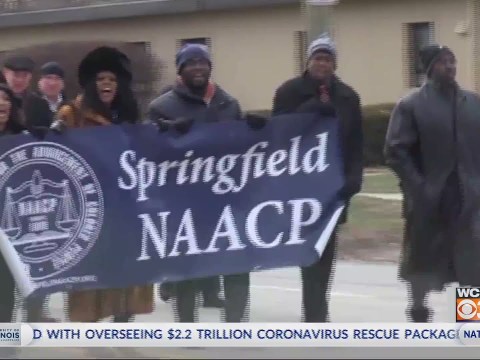
Black youth, ages 18-34, demonstrate strong investment in their communities but continue to face barriers when it comes to voting, according to research from Tufts University’s Center for Information and Research on Civic Learning and Engagement.
The research examines how Black youth engage with their communities, the issues that motivate their civic participation and the obstacles that can prevent them from voting, according to CIRCLE.
The report found that Black youth demonstrate interest in civic engagement but can encounter barriers that make political participation more difficult, according to CIRCLE.
Shawna Faulkner, a Black student at UW, said racial disparities, discrimination and equal opportunities in education and employment are important issues for Black students when deciding which candidates to support in Wisconsin’s gubernatorial race.
Black students attending predominantly white institutions are particularly interested in how candidates plan to address these concerns, Faulkner said.
“David Crowley has Black students and young voters in mind,” Faulkner said. “In his campaign he mentioned making housing more affordable, which is important to students at UW-Madison, but also mentions investing in public safety and criminal justice.”
Whether Black youth feel represented by political candidates is an important part of understanding their participation in elections, as despite their investment in their communities, Black youth vote at lower rates than young people overall, according to CIRCLE.
Forty-three percent of Black youth voted in the 2020 presidential election, motivated by issues including preventing the increase of inflation, gun violence prevention and student loan debt, according to CIRCLE.
Black youth are also engaged in civic and political activities beyond voting that promote the overall betterment of their community including volunteering, signing petitions or helping raise money for different organizations, according to CIRCLE.
In order to fully support Black youth in civic engagement, it is important to address structural and policy barriers including voter suppression and unequal access to resources, according to CIRCLE.
Addressing these concerns could help candidates build trust with young voters and encourage greater participation in elections, Faulkner said.
“It’s important that we have trust that politicians will actually follow through on their promises,” Faulkner said.