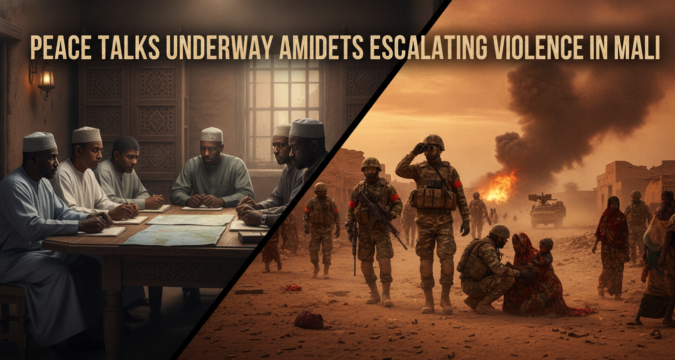
Mali is once again at a critical juncture as the nation grapples with a surge in terrorist activities across various regions. Recent days have seen a heightened tempo of attacks, primarily attributed to jihadist groups linked to al-Qaeda and the Islamic State, sparking renewed concerns about regional stability and humanitarian consequences. These developments have intensified calls for comprehensive peace and security initiatives, with international partners closely monitoring the situation. The Malian government, facing immense pressure, has reiterated its commitment to combating terrorism while simultaneously exploring avenues for dialogue and reconciliation.
In the northern and central regions of Mali, which have been epicenters of the conflict, civilians continue to bear the brunt of the violence. Reports indicate that communities are experiencing increased displacement, food insecurity, and restricted access to vital services due to the persistent insecurity. Armed groups are not only engaging in direct confrontations with national and international security forces but are also increasingly targeting local populations, further exacerbating the humanitarian crisis. The United Nations and various non-governmental organizations are working tirelessly to provide aid, but their efforts are often hampered by the volatile security landscape.
Amidst this escalating violence, there is a renewed emphasis on peace negotiations as a potential pathway to de-escalate the conflict. The Malian government has been engaging in discussions with various non-state armed groups, including some that have previously been involved in or sympathetic to extremist ideologies. These talks, often facilitated by regional bodies and international mediators, aim to address the root causes of the conflict, such as political marginalization, socio-economic grievances, and the overarching presence of extremist groups. However, the success of these initiatives remains contingent on the willingness of all parties to genuinely commit to a peaceful resolution.
International actors, including the G5 Sahel Joint Force, the United Nations Multidimensional Integrated Stabilization Mission in Mali (MINUSMA), and various bilateral partners, continue to support Mali’s efforts to restore peace and security. However, the effectiveness of these international interventions is a subject of ongoing debate, with some advocating for a shift in strategy towards more community-based approaches and robust development programs. Multinational security operations have faced significant challenges, including adapting to the asymmetrical tactics of terrorist groups and navigating complex political dynamics.
Looking ahead, Mali faces a daunting challenge in reconciling security imperatives with the pursuit of lasting peace. The current wave of terrorism underscores the interconnectedness of regional security issues and the need for a holistic approach that addresses not only the military dimension but also the political, social, and economic factors fueling extremism. The success of ongoing peace talks, coupled with sustained international cooperation and a commitment to inclusive governance, will be critical in determining the future trajectory of Mali and the broader Sahel region.